
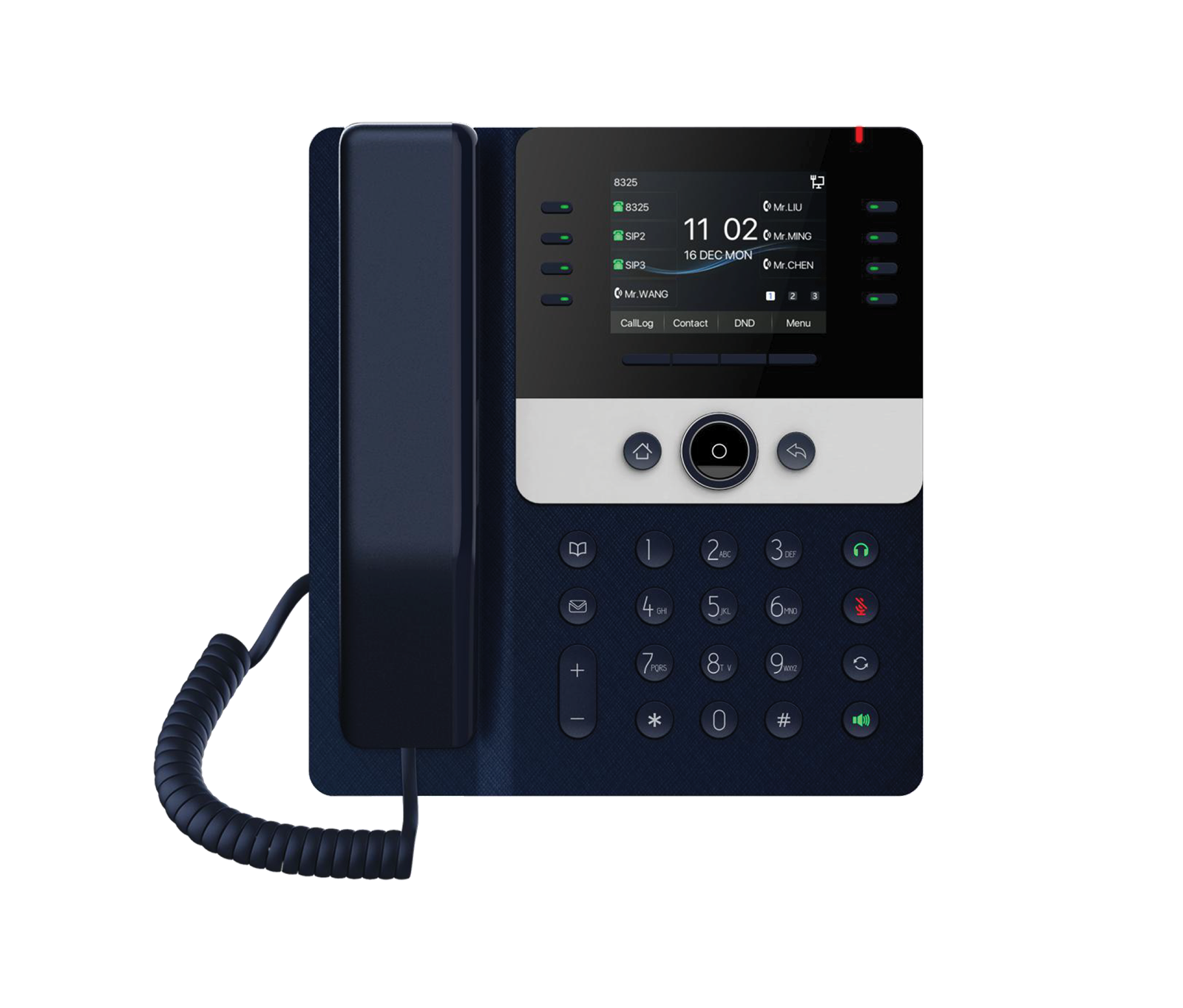
The KV-N4S12-P IP phone from the Radonium series is a high-end (Prime) business phone developed for professional environments, with an ergonomic design and extensive features.
-
 Protocol
SIP
Protocol
SIP
-
 Ability
Conference
Ability
Conference
-
 Power
PEO
Power
PEO
Overview
The KV-N4S12-P IP phone from the Radonium series is a high-end (Prime) business phone developed for professional environments, with an ergonomic design and extensive features. It has a large 3.5-inch color display and supports 12 SIP lines and 21 smart DSS keys for quick functions such as speed dial. Dual Gigabit Ethernet ports with PoE support, exceptional HD voice with Opus and G.722 codecs, and 6-way audio conferencing take enterprise communications to the highest standard.
Generic
- Specification
- 12 SIP Lines 3.5-inch color screen HD Voice PoE Enabled
- Phone Functions
-
Call logs (In/
Out/ Local Phonebook (1000 entries) Programmable DSS/Missed, 1000 entries) Soft keys Remote Phonebook (XML/LDAP, 1000 entries) VMWI - Call Functions
-
6-way Audio Conference
Call Forward (Always/
Busy/ Call Hold/No Answer) Resume Call out/Answer/ Call Transfer (Attended/Reject Unattended) Call Waiting Caller ID Display Intercom Mute/Unmute (Microphone) - Video
-
N/
A
Network & Management
- IP Mode
-
IPv4/
IPv6/ IPv4&IPv6
Protocols
- Protocols
-
802.1p/
Q 802.1x AES128 & AES256 DHCP FTP/TFTP HTTP/HTTPS IPv6 L2TP LLDP OpenVPN PPPoE RTP/RTCP/ SIP v1 (RFC2543) v2SRTP (Optional/ Compulsory) (RFC3261) SNTP STUN TR-069 UDP/TCP/ TLS
General
- Installation
- Desktop Stand; Wall-mounted (need an additional wall hanging parts)
- Dimensions
- 200*175*172 mm (Desktop Stand)
Audio
- Audio
-
HD Voice: HD handset, HD speaker Wideband ADC/
DAC 16KHz Sampling - Narrowband Codec
-
G.711a/
u, G.723.1, G.726, G.726-32K, G.729, G.729A, G.729AB, G.729B, ILBC - Wideband Codec
- G.722, Opus
Network
- Physical
-
dual bridged port for PC bypass
Physical: 10/
100/ 1000 Mbps Ethernet - IP Configuration
- 802.1x DHCP Network Access Control PPPoE Static IP
- VPN
- L2TP, OpenVPN
- VLAN
- VLAN / LLDP / Qo5/ RTCP-XR (RFC3611) VQ-RTCPXR, (RFC6035)
Deployment & Management
- Deployment & Management
-
Auto-Provisioning via FTP/
TFTP/ Configuration Export / Import Firmware Upgrade Phonebook Import/HTTP/ HTTPS/ DHCP OPT66/ SIP PNP/ TR-069 Export Syslog Web Management Portal Web-based Packet Dump
Physical Specifications
- Main LCD x1
- 3.5-inch (320x240) Color Screen
- DSS Key
-
N/
A - Keypad
-
1 Hands-free key
1 Home key
1 OK Key
1 Return key
12 Standard phone digits keys
2 Volume Control keys
4 Navigation keys
4 Soft-keys
5 Function keys (Contact, MWI, Mute, Headset, Redial)
7 DSS keys + 1 page key (with LED)
Up/
Down - HD Handset
- 1 x (RJ9)
- Standard RJ9 Handset
- 1 x Wire
- Status Indicator Light
- x1 (Red)
- RJ9 Port x 2
- Handset x1, Headset x1
- RJ45 Port x2
- Network x1 PC x1 (Bridged to Network)
- Safety Keyhole
- x1
- Power Input
-
DC 5V/
2A or PoE - Power Consumption (PoE)
- 1.90~4.60W
- Working Humidity
- 10~95%
- Working Temperature
- -10~40°C
- Color
- Black
Downloads
Documentation
-
KV-N4S12-P
Compare products
Compare this product with similar products
Please wait
Frequently asked questions
Questions about this product
Why does operating temperature matter for IP phones?
High temperatures can shorten component life and reduce the product's stability. Good ventilation and staying within the specified temperature range are important.
Do IP phones need a UPS?
If a power outage would interrupt the service or cause data loss, putting sensitive equipment on a UPS can be worthwhile.
Can several IP phones be used on the same network?
Yes. With a properly designed addressing scheme, network capacity, VLANs and management resources, multiple devices can be deployed within a standard architecture.
How do VLANs help with IP phones?
VLANs can separate the traffic of different services and improve management, security and broadcast control. However, they must be designed correctly and configured on the equipment at both ends.
What is SNMP used for in managing IP phones?
SNMP allows monitoring systems to collect management information such as interface status, resource usage and certain health indicators.
Frequently asked questions: IP Phones
Answers to common questions about this product line, from the KDT Help Center.
Why isn't my IP phone working properly?
First check the power, the cable or connection, the settings, the network address and the software status. Then you can move on to more in-depth checks and the logs.
Where should I start when choosing the right IP phones?
Start by defining the intended use, the number of devices, the installation environment, the capacity required and your plans for future expansion. Then choose the model and technical specifications based on what the project actually needs.
Which technical specifications matter most for IP phones?
Depending on the project, the most important specifications are capacity, speed, compatibility, environmental ratings, management features and scalability. Basing your choice on a single figure is usually not enough.
Is a cheaper IP phone model always the right choice?
No. The purchase price is only one factor. You also need to consider reliability, features, service life, after-sales service and maintenance costs.
How do I work out how much capacity an IP phone system needs?
Base the calculation on the number of devices, actual usage, how long the system will be in use and how much the project is likely to grow. It is also wise to keep some capacity in reserve.
Didn’t find your answer?
Related products
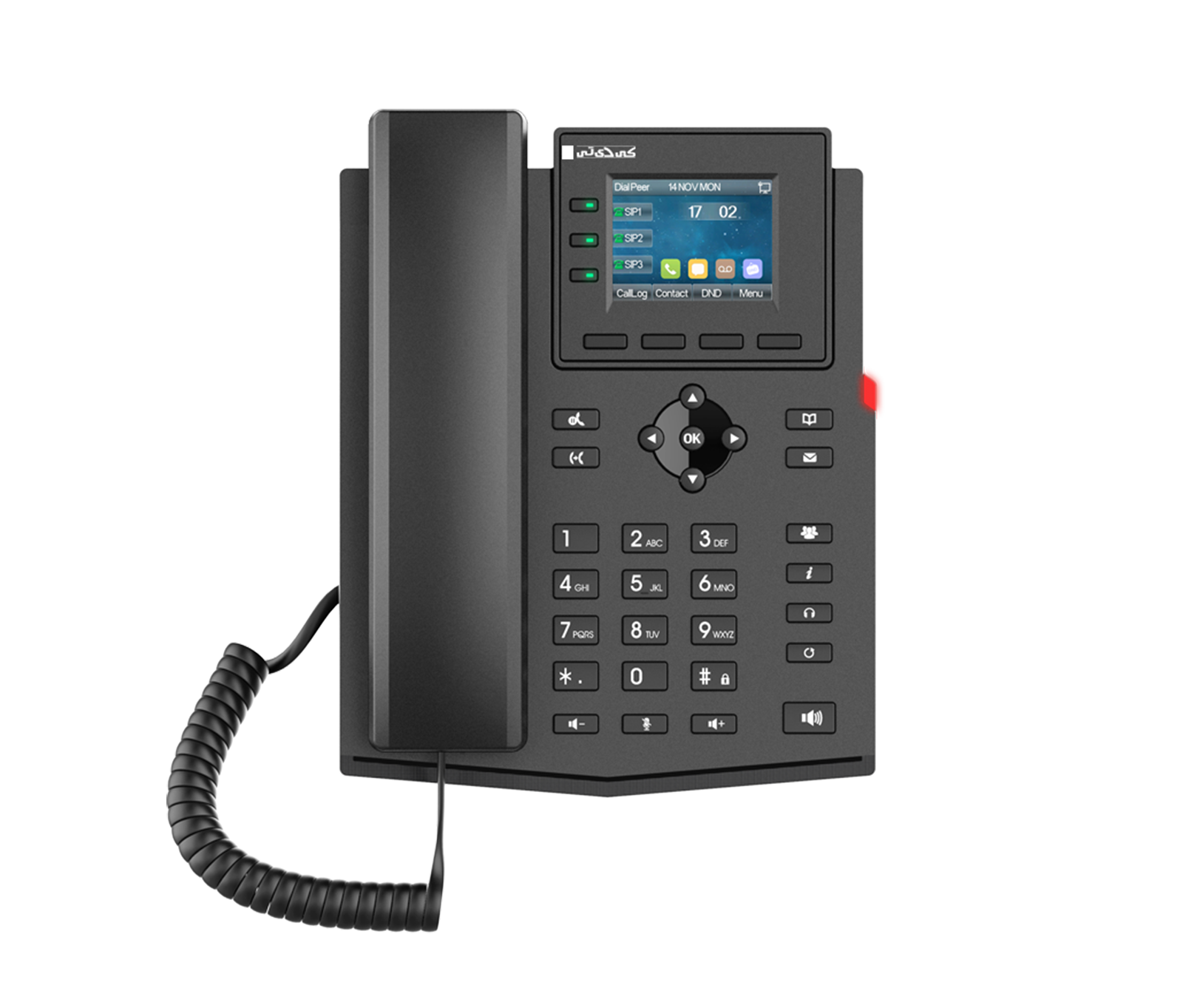 Entry Level Business IP PhoneKV-N2S4-P
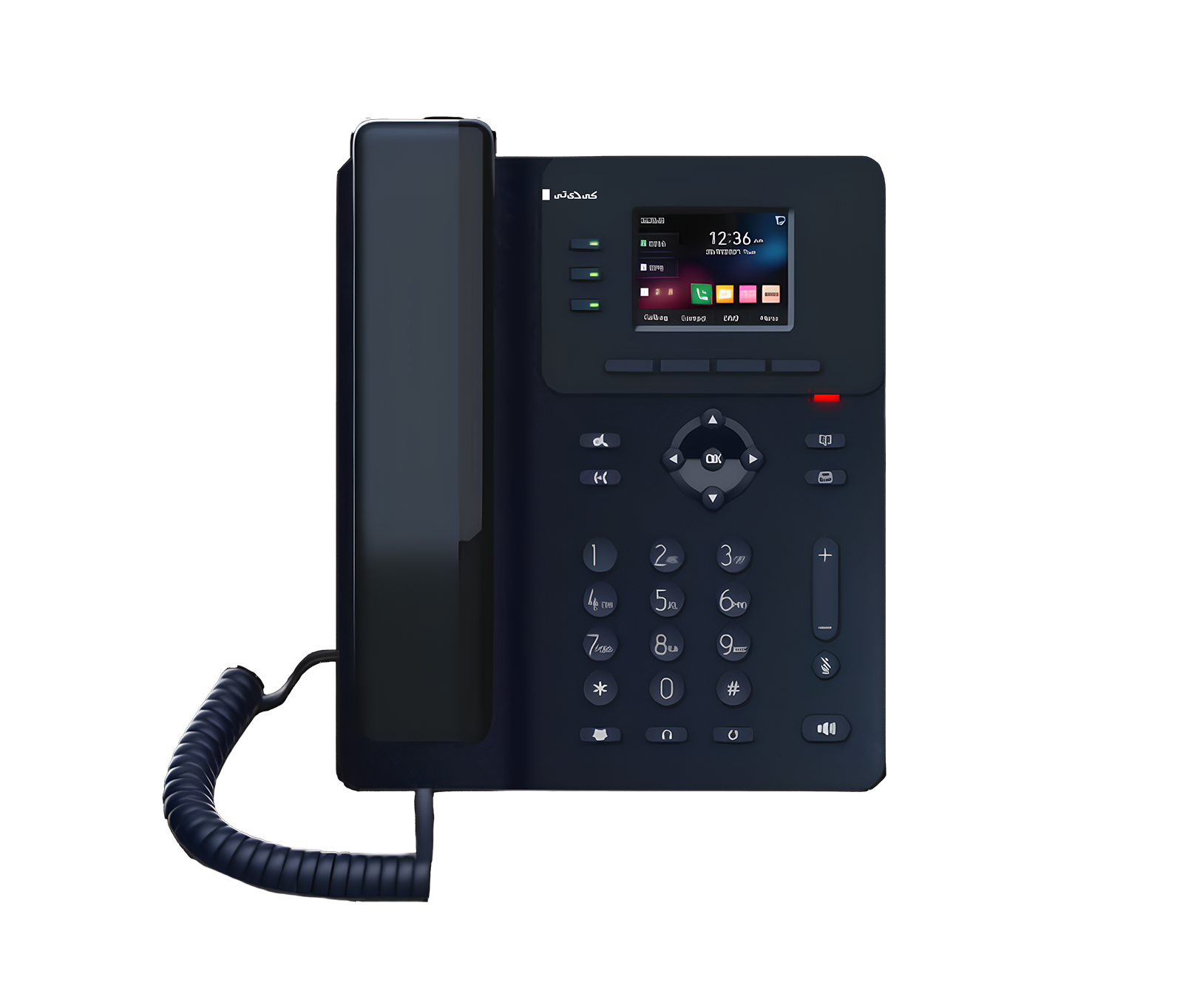 Entry Level Business IP PhoneKV-N2S4-P/V3
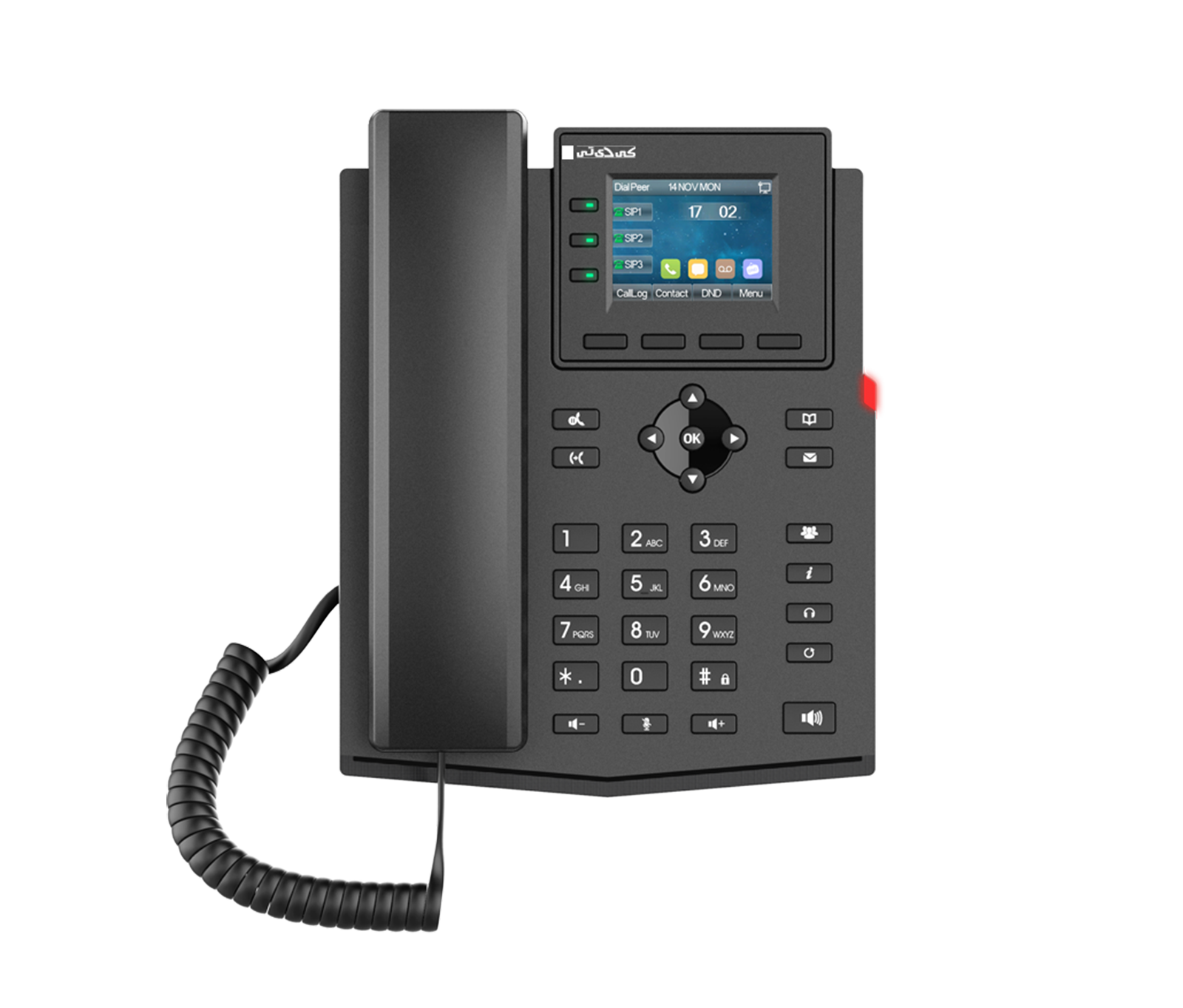 Entry Level Business IP PhoneKV-N2S4-PF
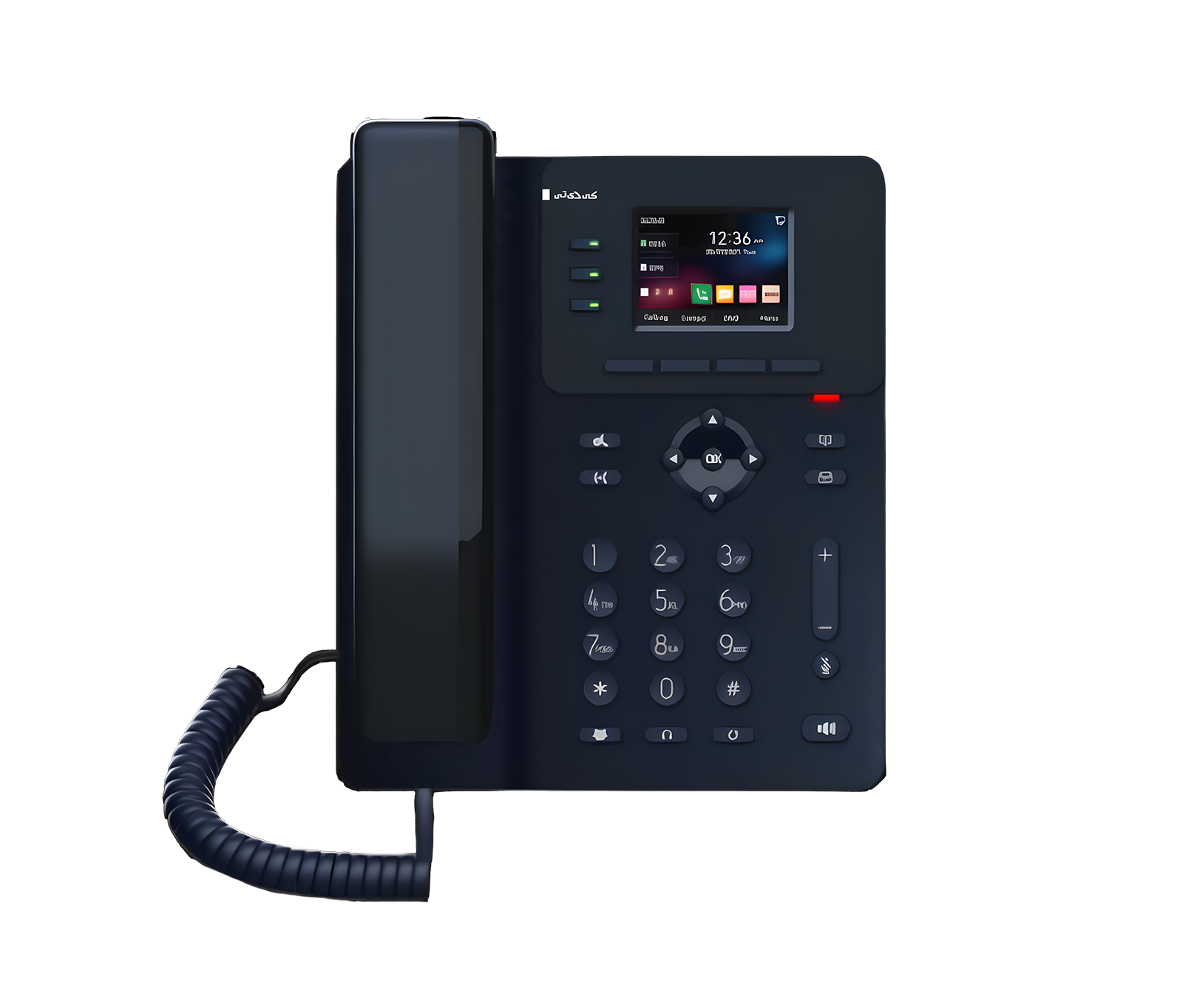 Entry Level Business IP PhoneKV-N2S4-PF/V2
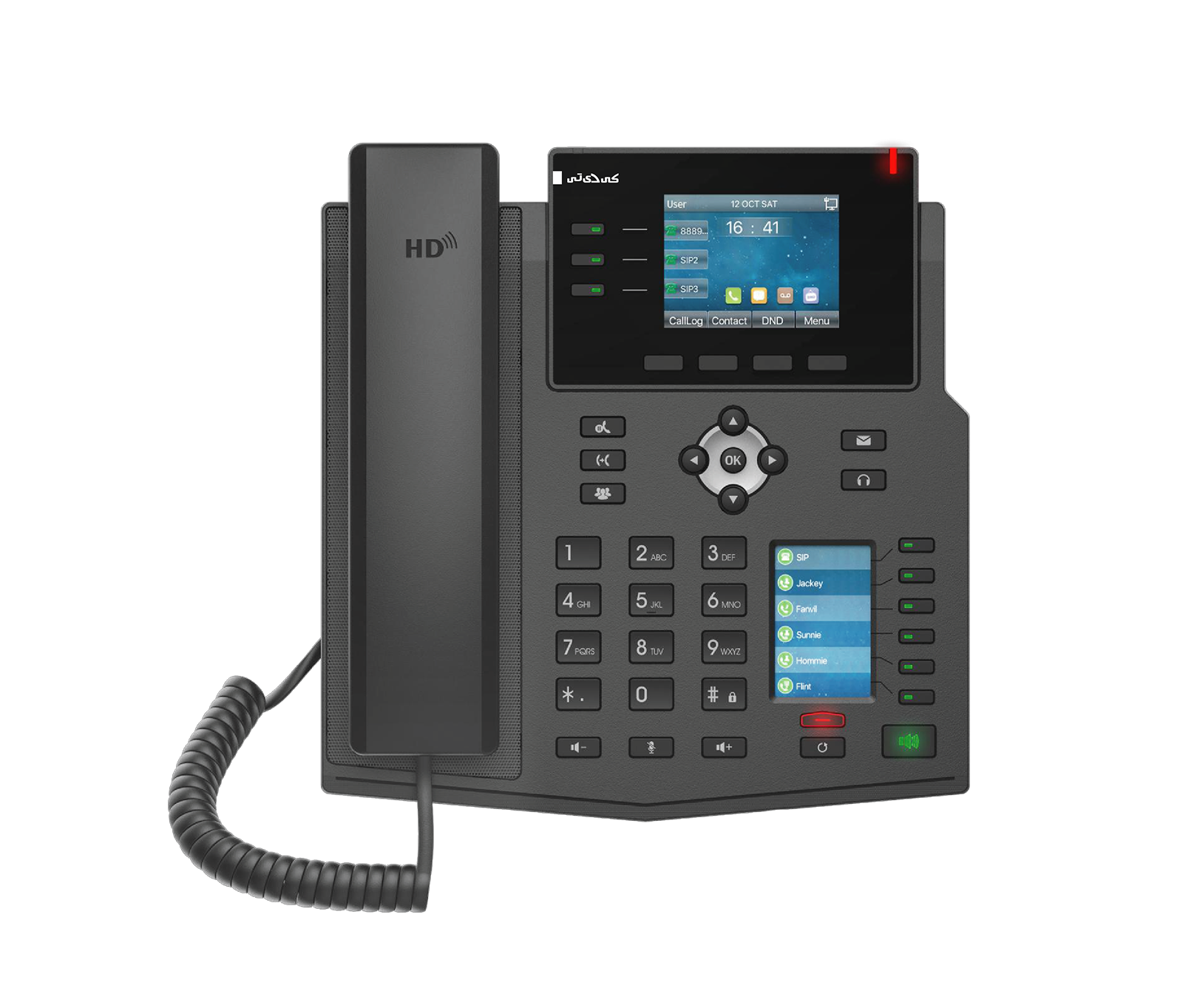 Enterprise IP PhoneKV-M3S12-P
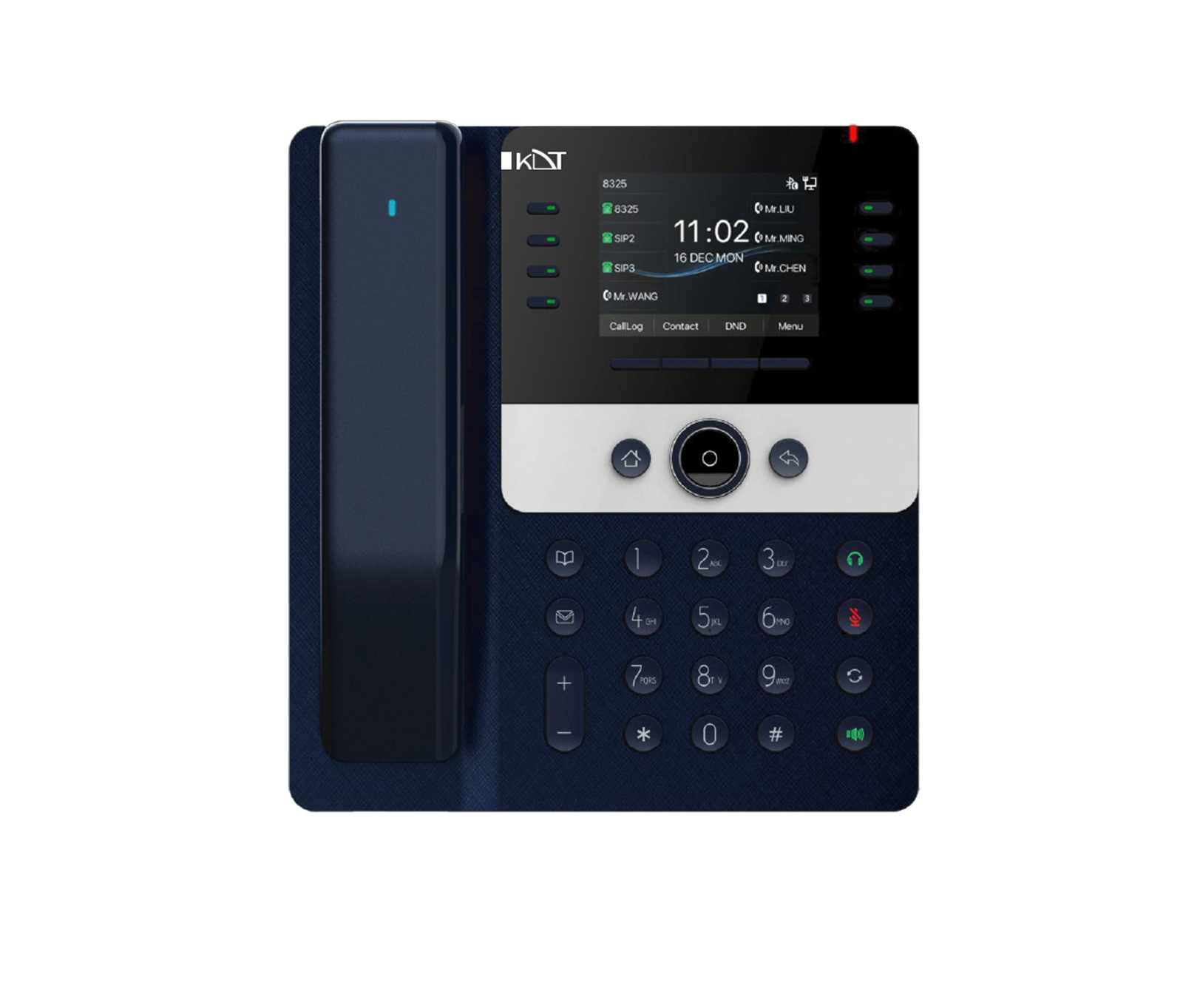 Prime Business IP PhoneKV-N4S12-PH
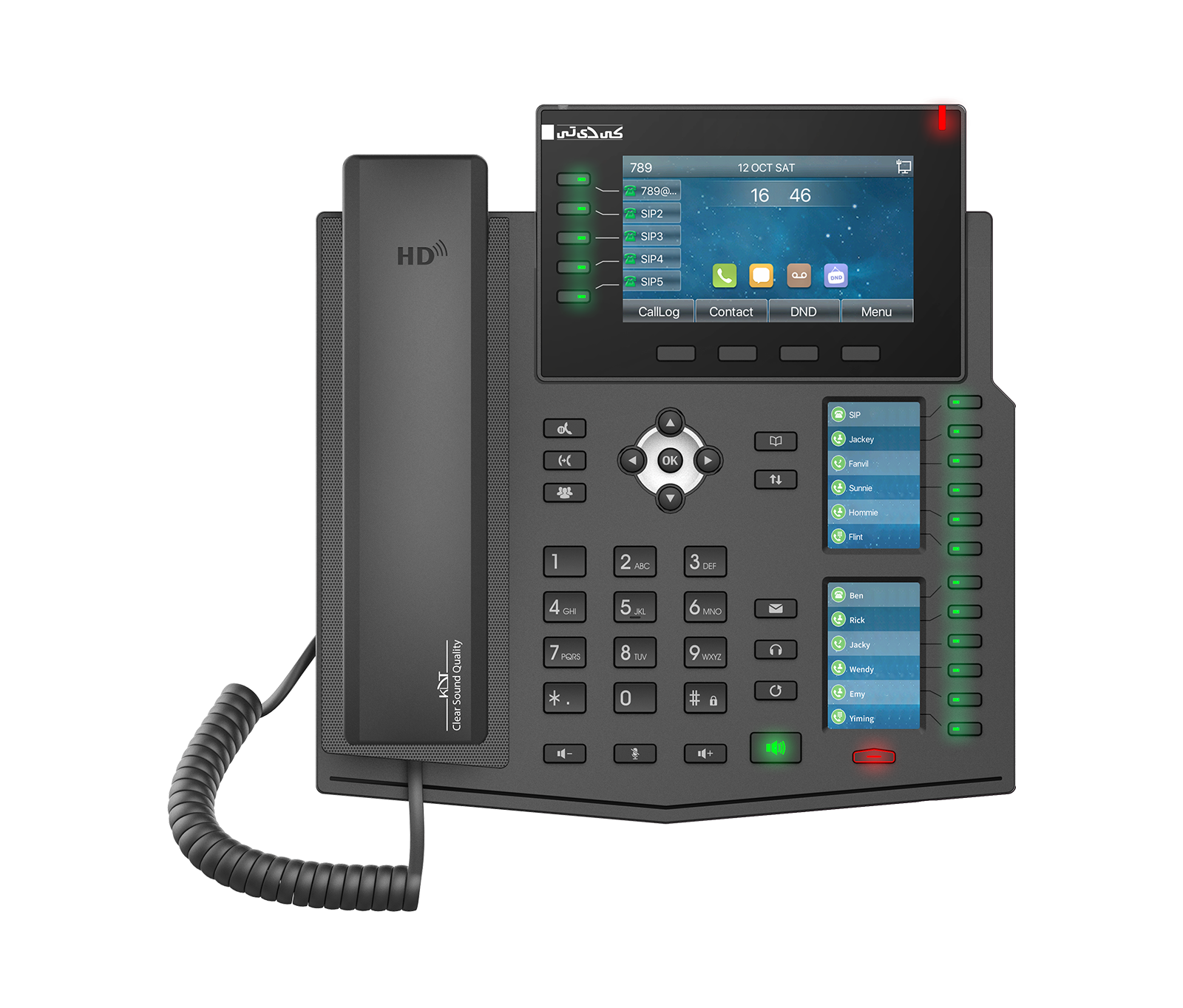 Enterprise IP PhoneKV-M4S20-P
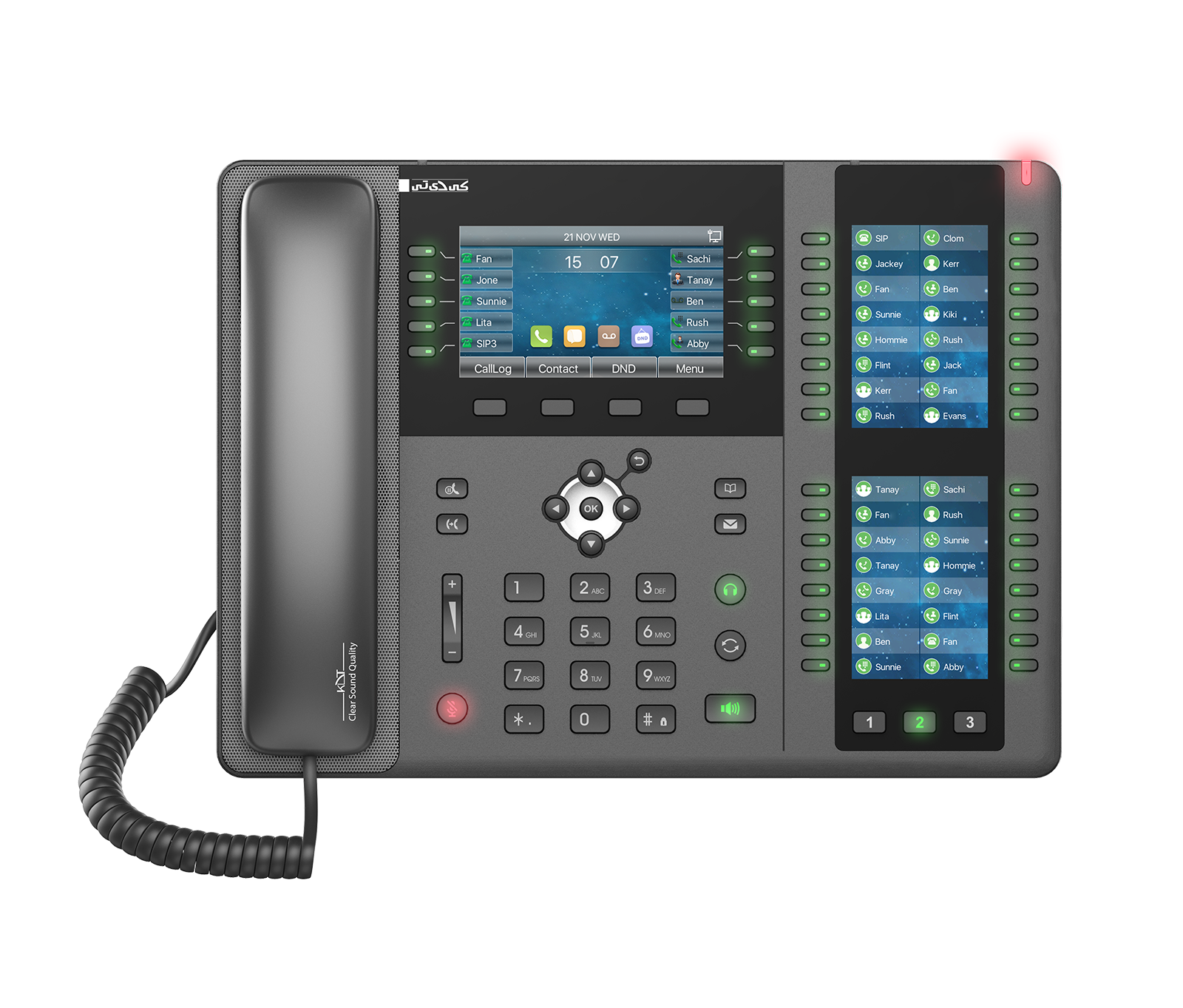 Enterprise IP PhoneKV-M4S20-PX
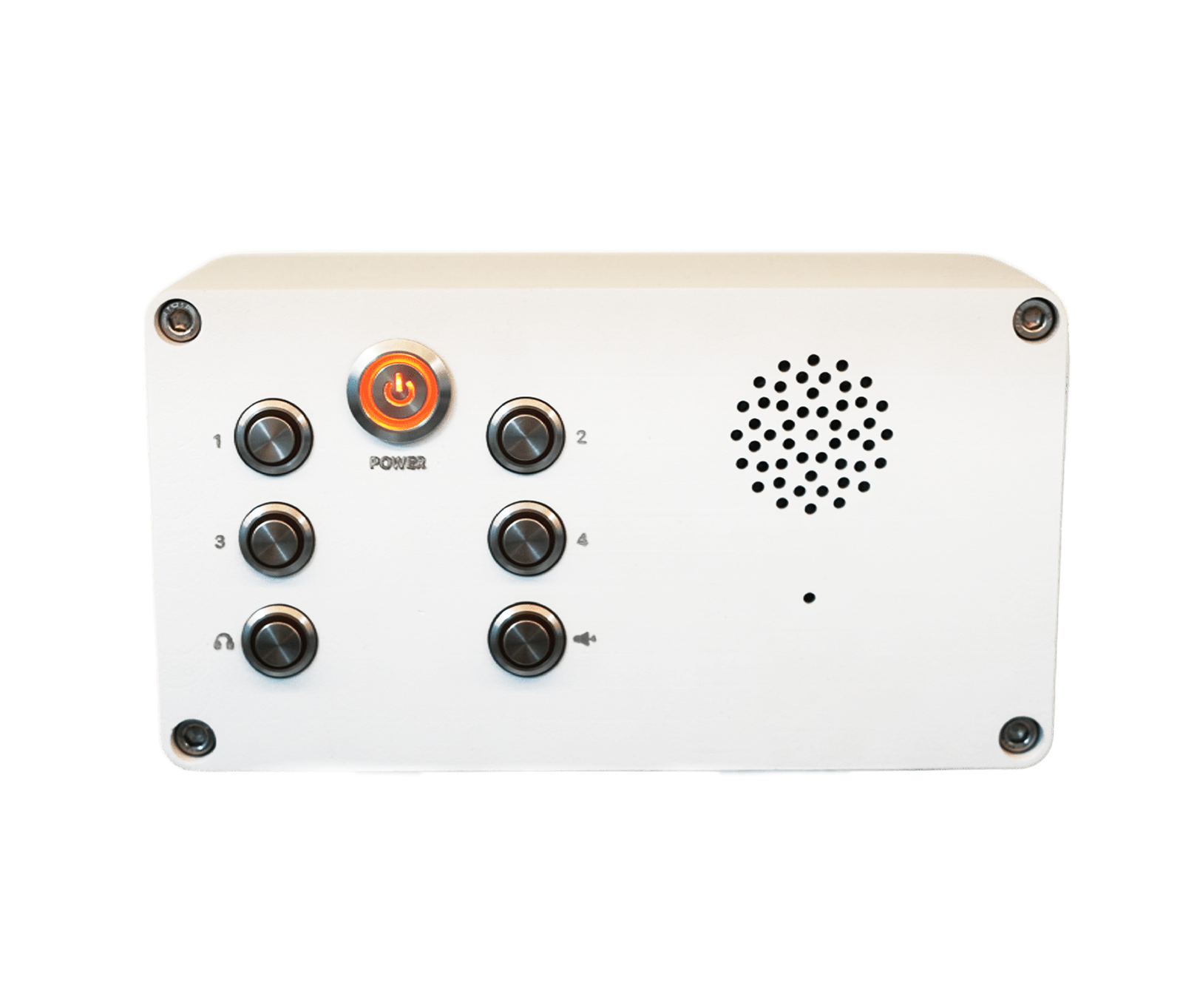 Professional SIP IntercomKV-IC06-ISMO
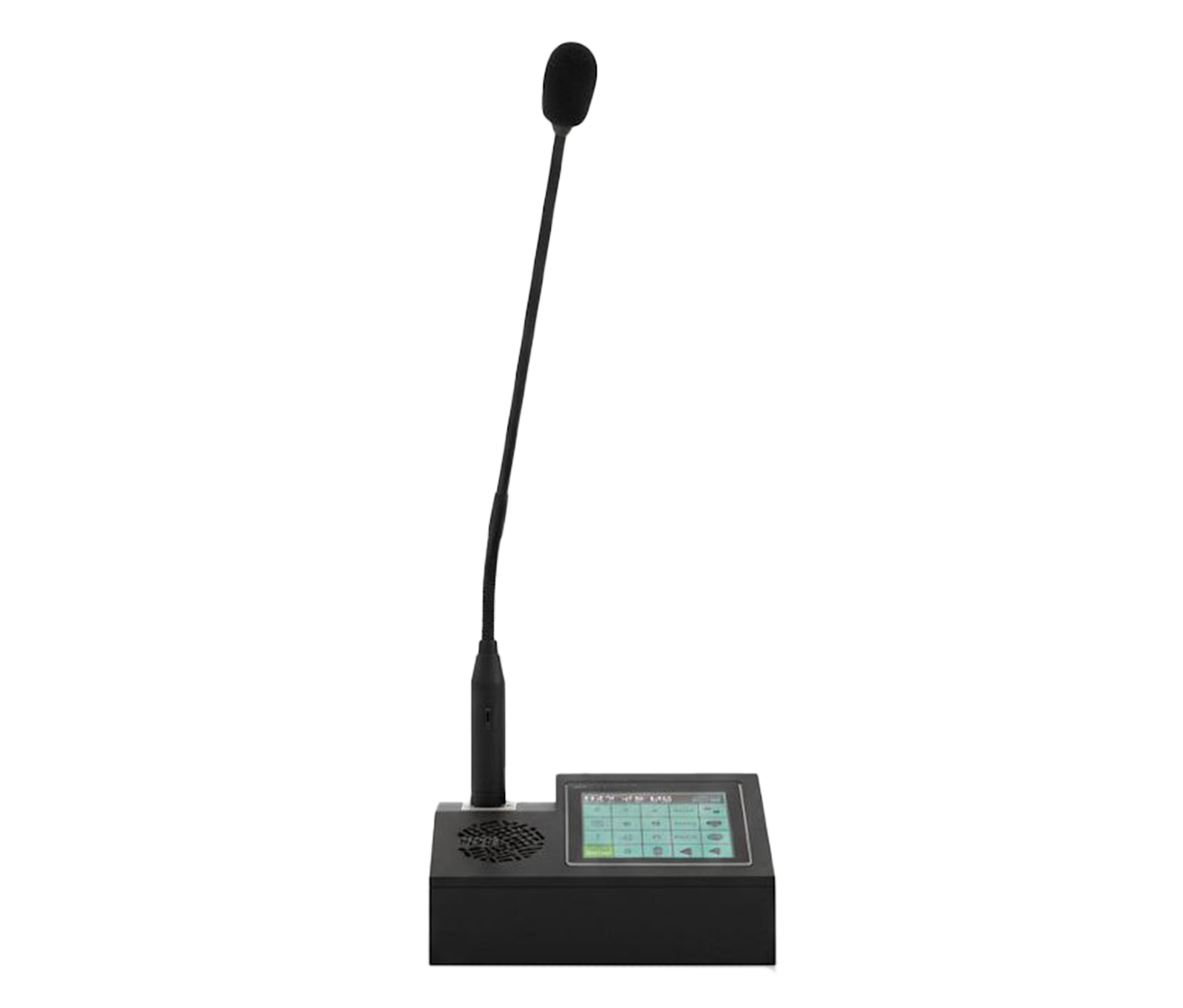 Desktop MicrophoneKV-TDC-ISM-P