
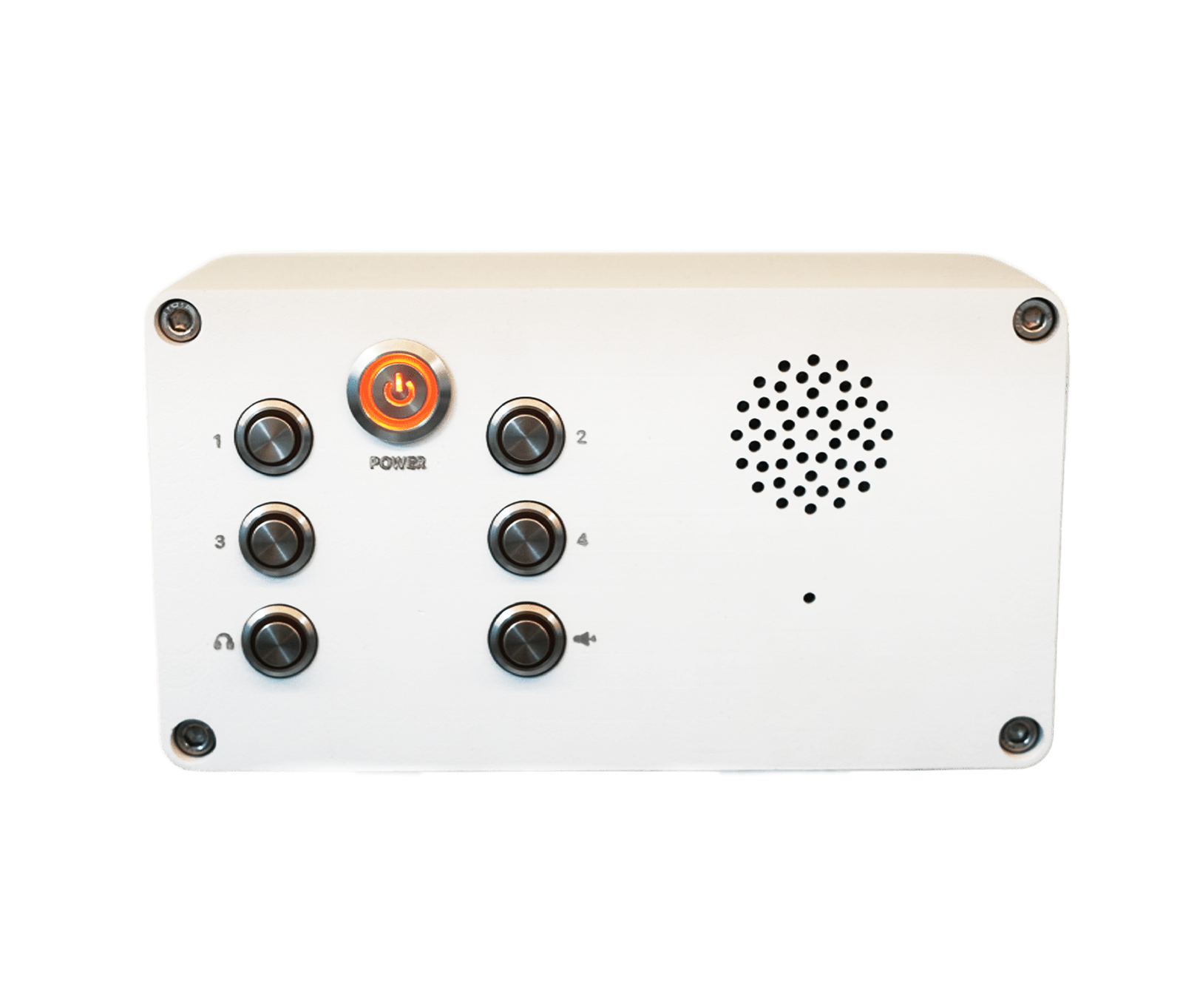
The KV-IC06-ISMO IP intercom from the Radonium series is a professional two-way communication system designed for access control and paging in industrial and commercial environments.
-
 Power
PEO
Power
PEO
-
 Protocol
SIP
Protocol
SIP
-
 MQTT
MQTT
MQTT
MQTT
Overview
The KV-IC06-ISMO IP intercom from the Radonium series is a professional two-way communication system designed for access control and paging in industrial and commercial environments. Support for 6 SIP lines, HD voice with acoustic echo cancellation (AEC) and sensitive microphones ensures clear, noise-free conversations. A PoE-enabled network port, support for advanced security protocols such as OpenVPN and full compatibility with standard IP-PBX platforms make it a secure and dependable solution for security systems.
SIP & Lines
- SIP Accounts
- 6 SIP Lines
- Protocols
- SIP v1 (RFC2543), v2 (RFC3261)
- Transport
-
RTP/
RTCP/ SRTP, UDP/ TCP/ TLS
Network & Management
- Network Interface
-
10/
100 Mbps Ethernet (PoE Enabled) - IP Mode
- IPv4 / IPv6 / Dual Stack
- Protocol Support
- 802.1x Network Access Control LLDP QoS VLAN
- VPN Support
- L2TP, OpenVPN
- Auto
- FTP / TFTP / HTTP / HTTPS / DHCP OPT66 / SIP PNP / TR-069
- Configuration
-
Configuration Export/
Import Syslog Web Management Portal - Diagnostics
- Online Firmware Upgrade Web-based Packet Dump
Audio
- HD Voice
-
16KHz Sampling, HD Speaker, Wideband ADC/
DAC - Wideband Codecs
- G.722, Opus
- Narrowband Codecs
-
G.711a/
u, G.723.1, G.726, G.729A/ B, iLBC - Processing
- CNG Full-duplex Acoustic Echo Cancellation (AEC) VAD
General
- Power Supply
- PoE
- Dimensions
- 212x85x117 mm
- Operating Temp
- -10°C ~ 40°C
- Operating Humidity
- 10% ~ 95%
Downloads
Documentation
-
KV-IC06-ISMO
Compare products
Compare this product with similar products
Please wait
Frequently asked questions
Questions about this product
Why isn't my IP phone working properly?
First check the power, the cable or connection, the settings, the network address and the software status. Then you can move on to more in-depth checks and the logs.
Why does my IP phone drop its connection from time to time?
Common causes include unstable power, an unreliable cable or link, heavy load, incorrect settings and firmware issues. Reviewing the event log and testing step by step will help you pinpoint the cause.
Does cable quality affect the performance of IP phones?
Yes. The cable, connectors, cable run length and installation quality all directly affect connection stability, so they should be selected and tested to the project's standards.
Do IP phones need an internet connection?
Not necessarily for basic operation. Some management or remote-access features may require internet access, but local operation can work independently.
Can IP phones be managed remotely?
Yes, if the product and the network architecture support it. Remote access must also be protected with authentication, a secure connection and access restrictions.
Frequently asked questions: IP Phones
Answers to common questions about this product line, from the KDT Help Center.
Why isn't my IP phone working properly?
First check the power, the cable or connection, the settings, the network address and the software status. Then you can move on to more in-depth checks and the logs.
Where should I start when choosing the right IP phones?
Start by defining the intended use, the number of devices, the installation environment, the capacity required and your plans for future expansion. Then choose the model and technical specifications based on what the project actually needs.
Which technical specifications matter most for IP phones?
Depending on the project, the most important specifications are capacity, speed, compatibility, environmental ratings, management features and scalability. Basing your choice on a single figure is usually not enough.
Is a cheaper IP phone model always the right choice?
No. The purchase price is only one factor. You also need to consider reliability, features, service life, after-sales service and maintenance costs.
How do I work out how much capacity an IP phone system needs?
Base the calculation on the number of devices, actual usage, how long the system will be in use and how much the project is likely to grow. It is also wise to keep some capacity in reserve.
Didn’t find your answer?
Related products
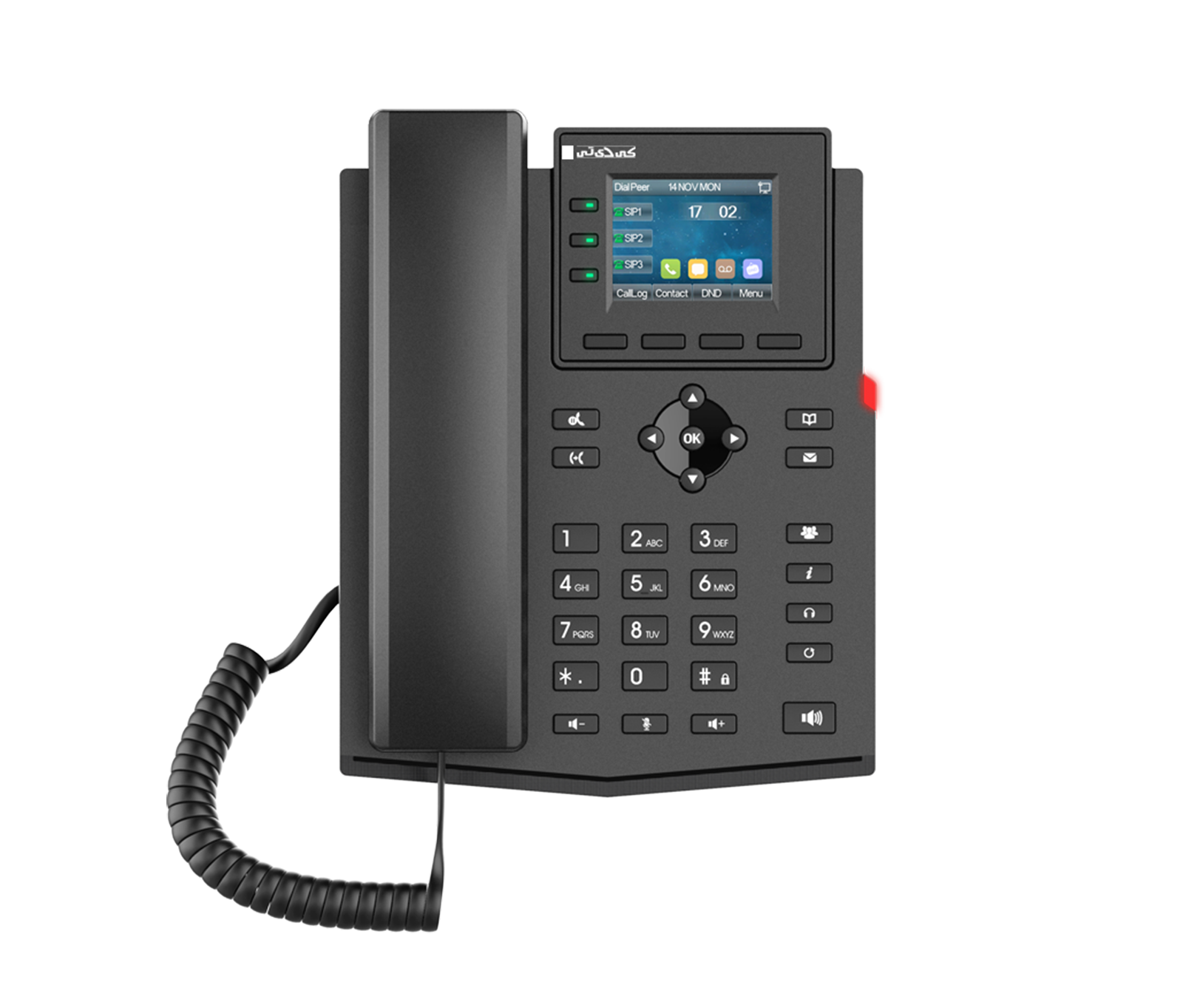 Entry Level Business IP PhoneKV-N2S4-P
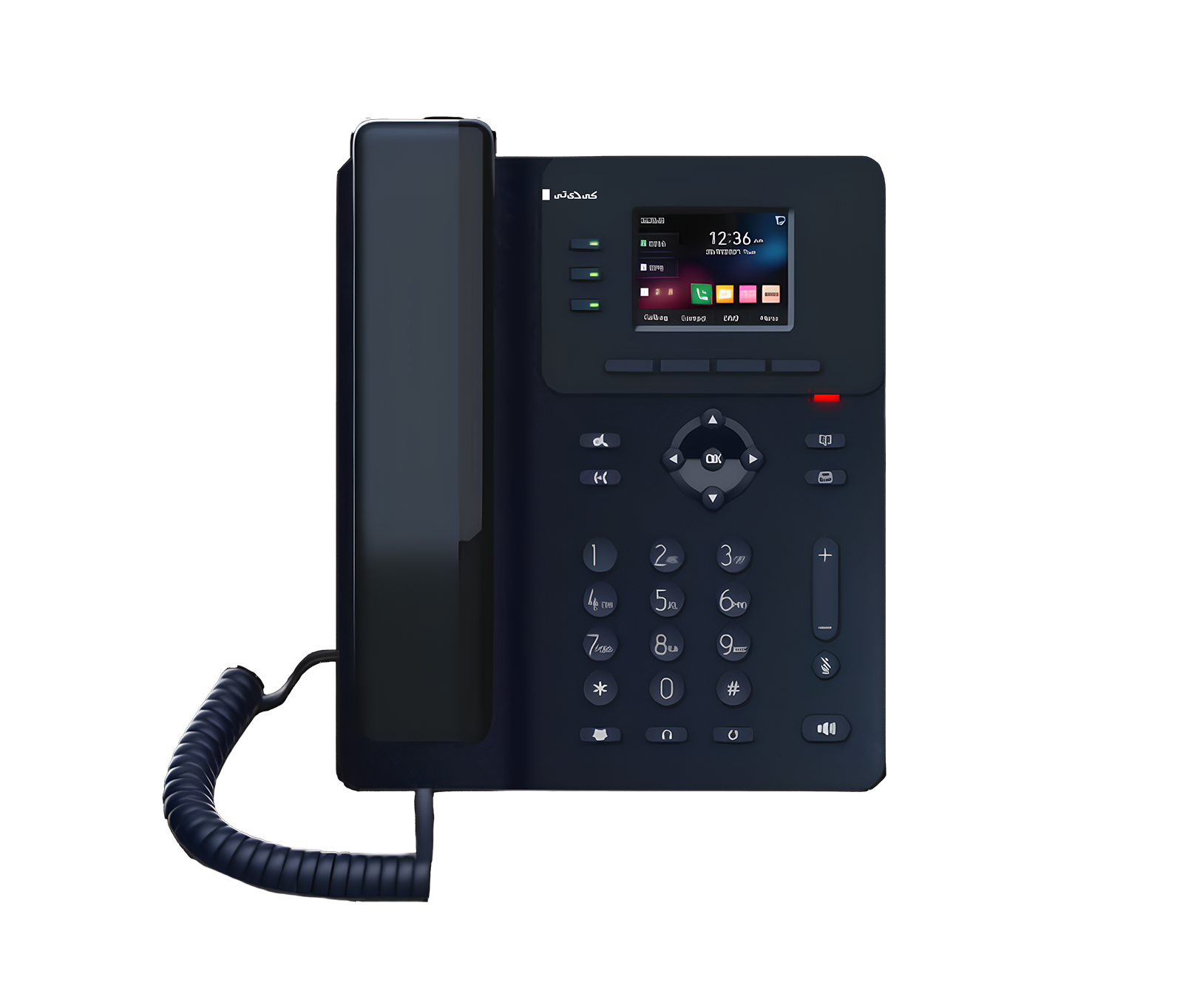 Entry Level Business IP PhoneKV-N2S4-P/V3
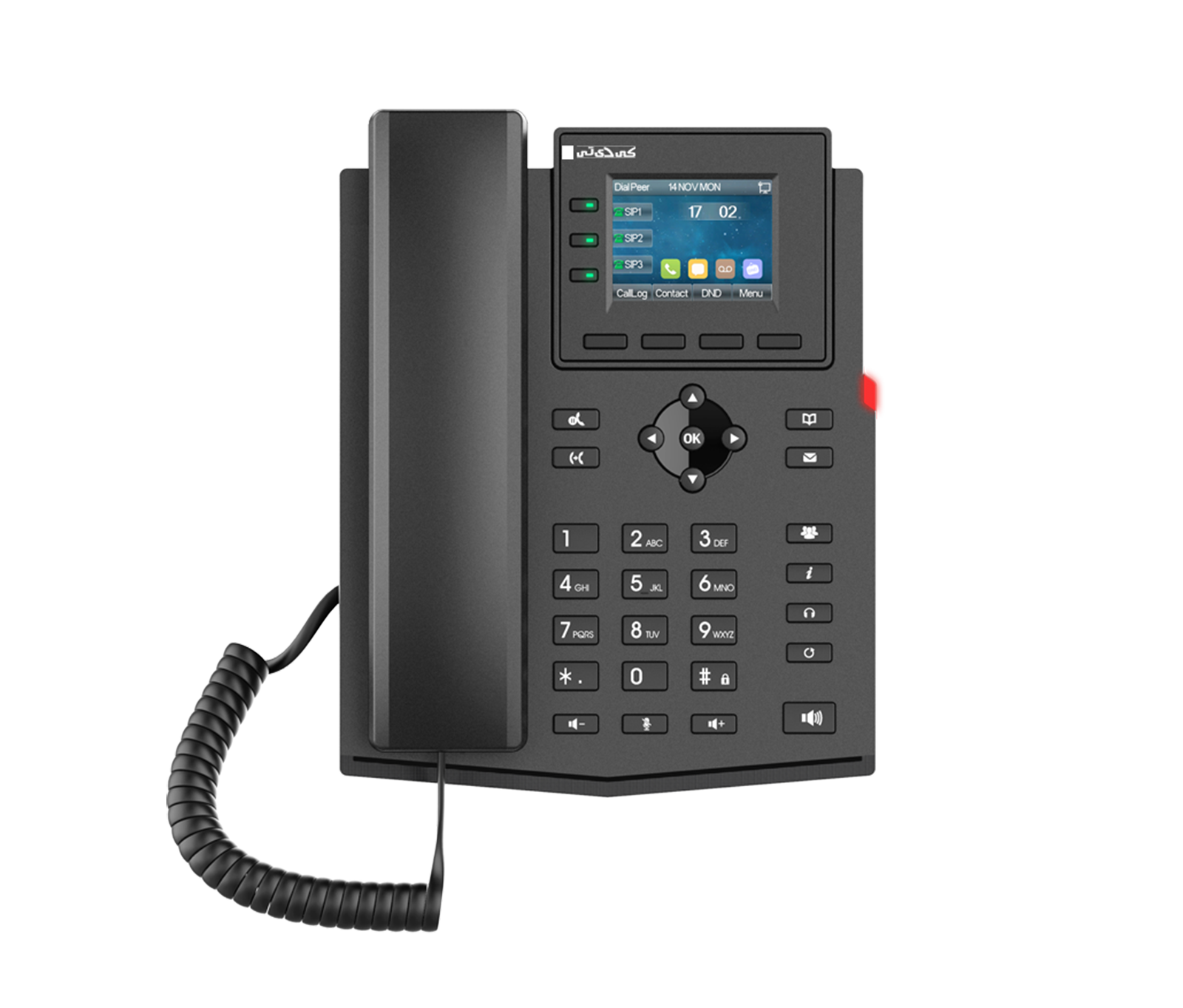 Entry Level Business IP PhoneKV-N2S4-PF
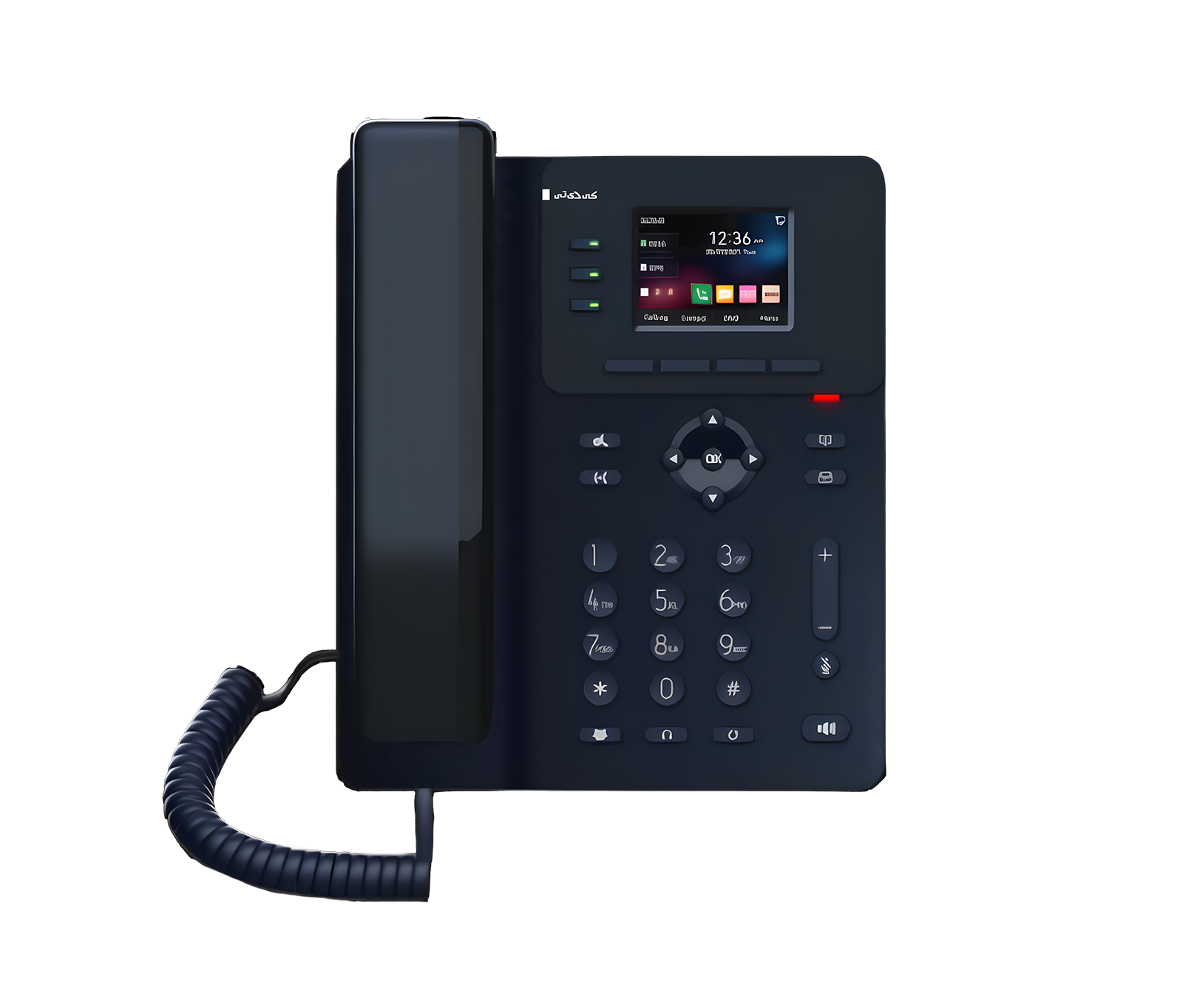 Entry Level Business IP PhoneKV-N2S4-PF/V2
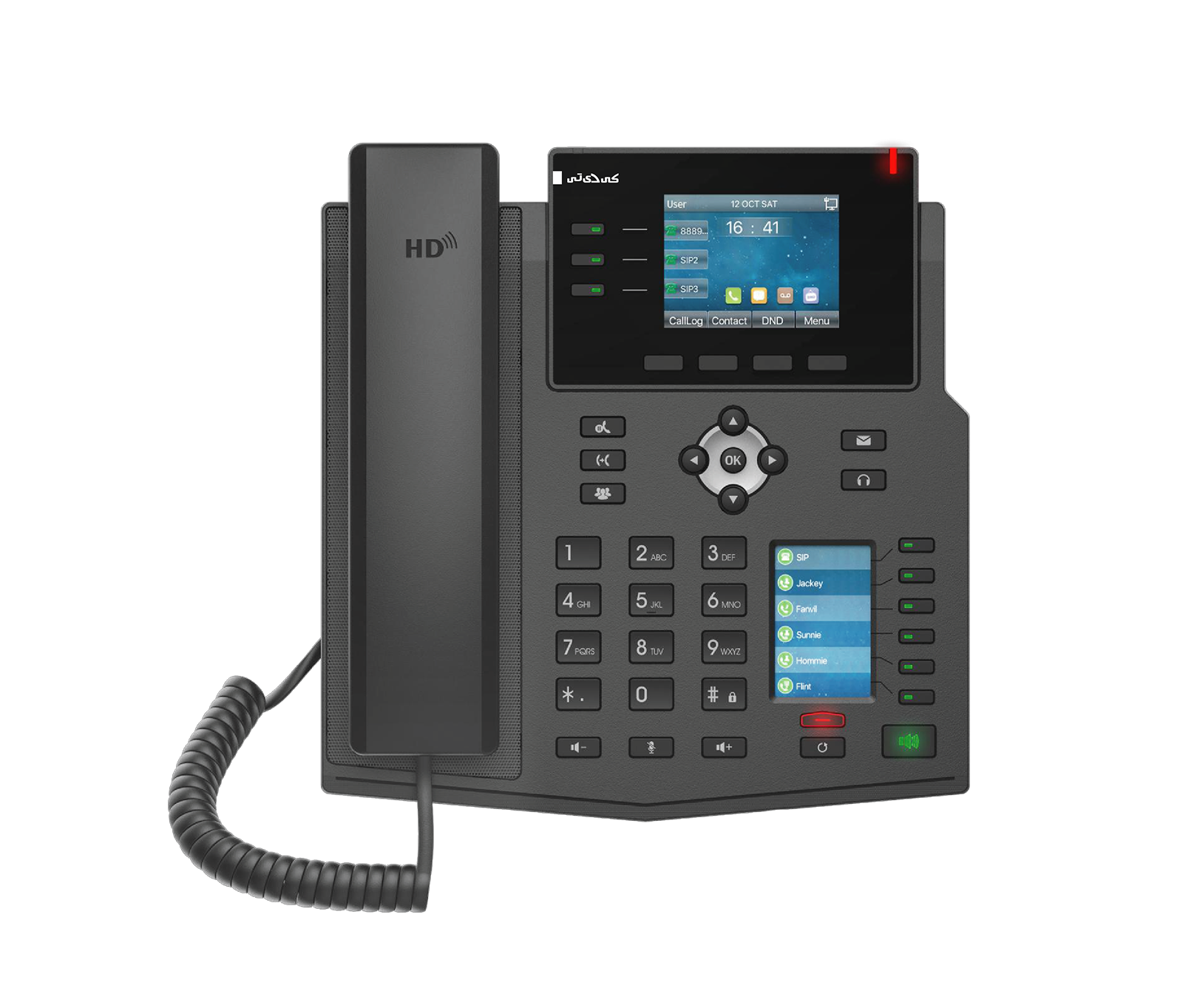 Enterprise IP PhoneKV-M3S12-P
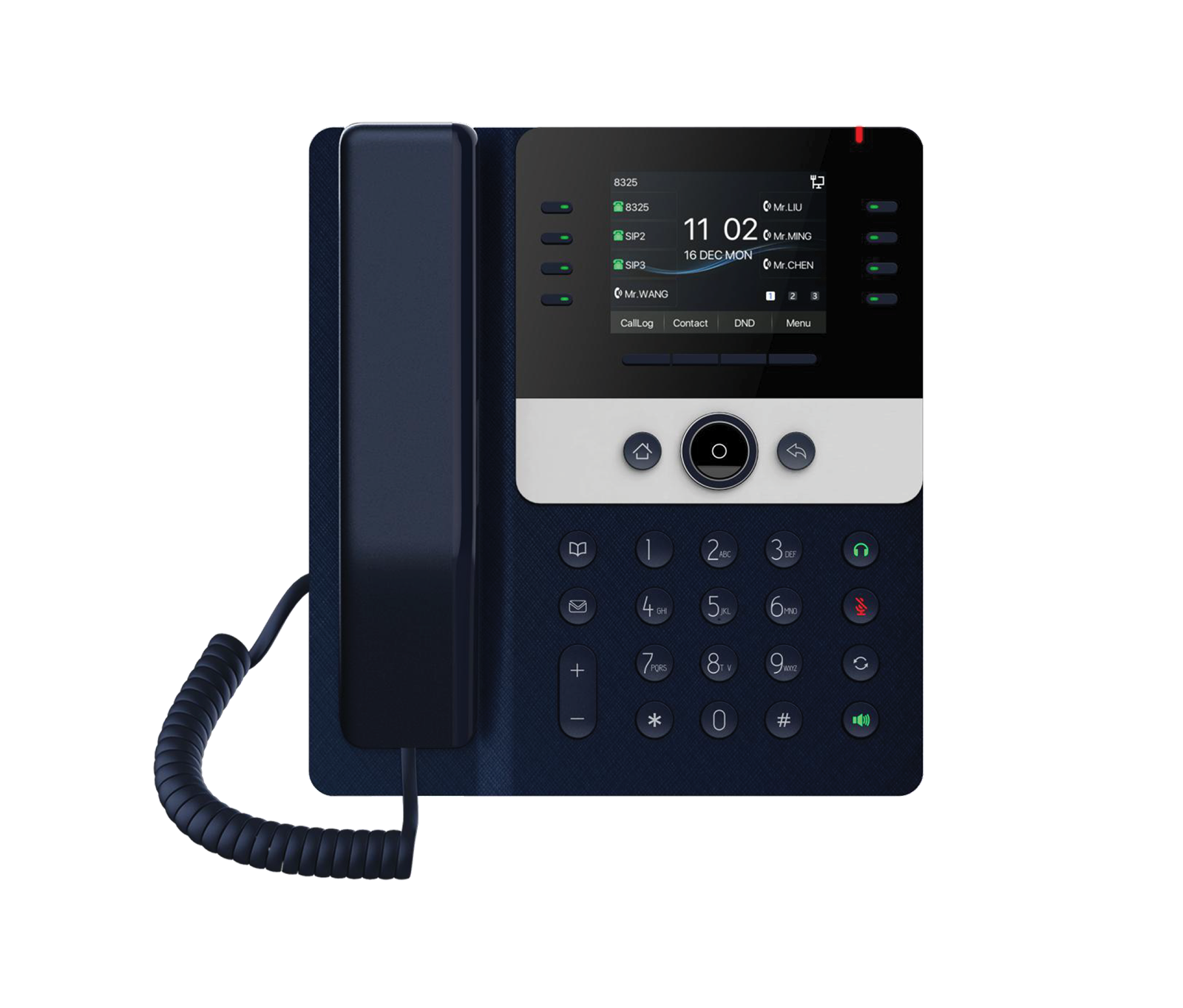 Prime Business IP PhoneKV-N4S12-P
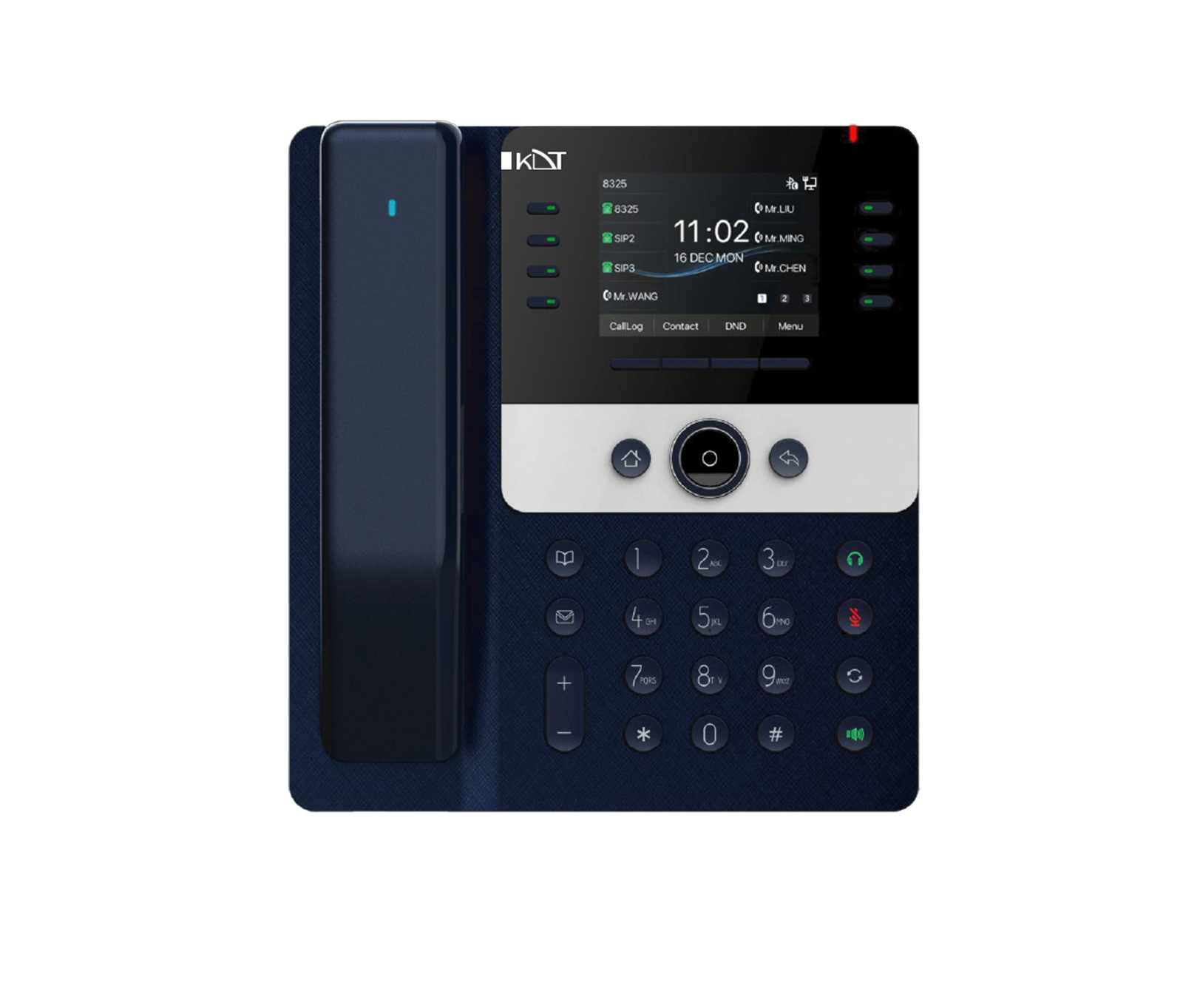 Prime Business IP PhoneKV-N4S12-PH
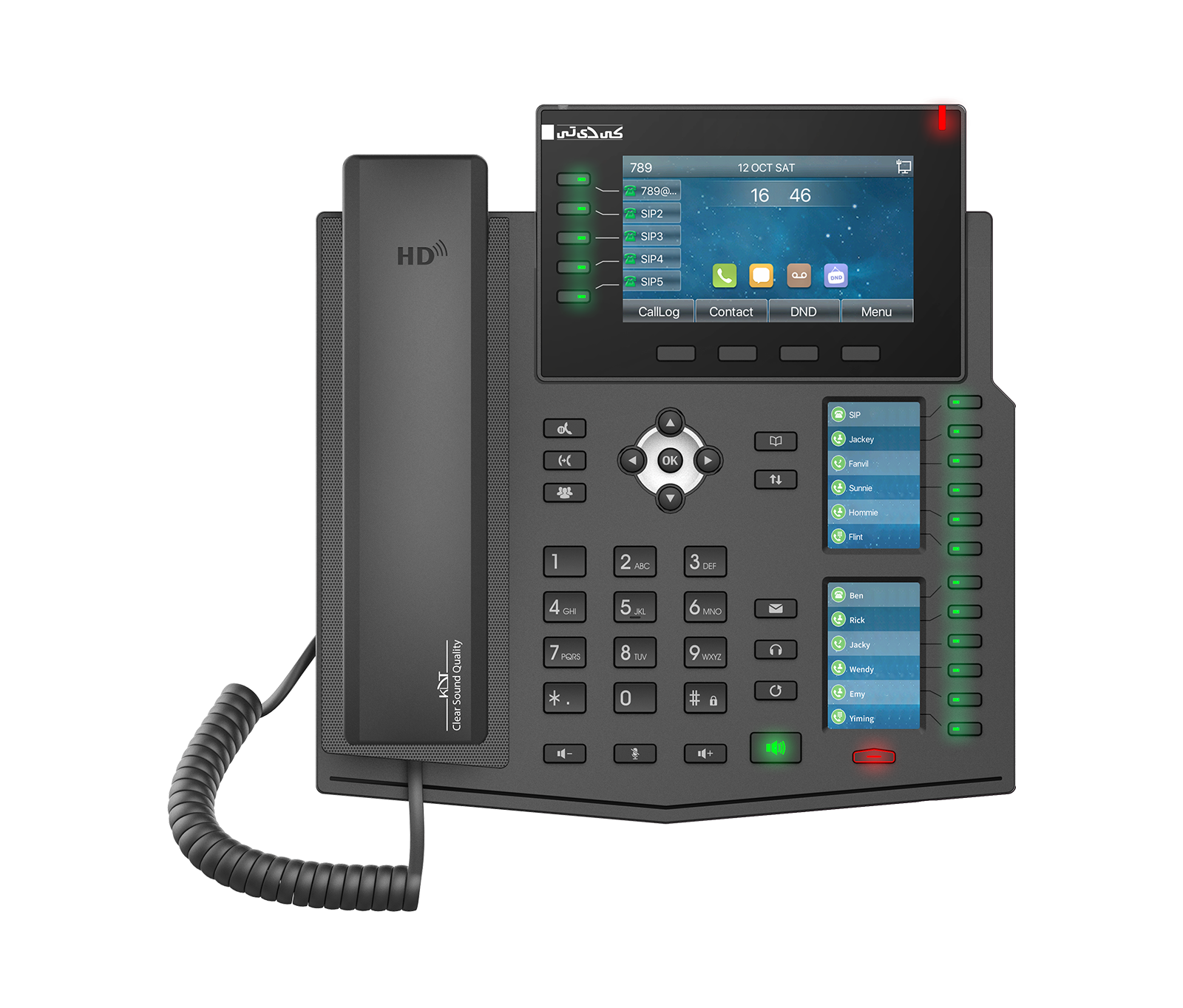 Enterprise IP PhoneKV-M4S20-P
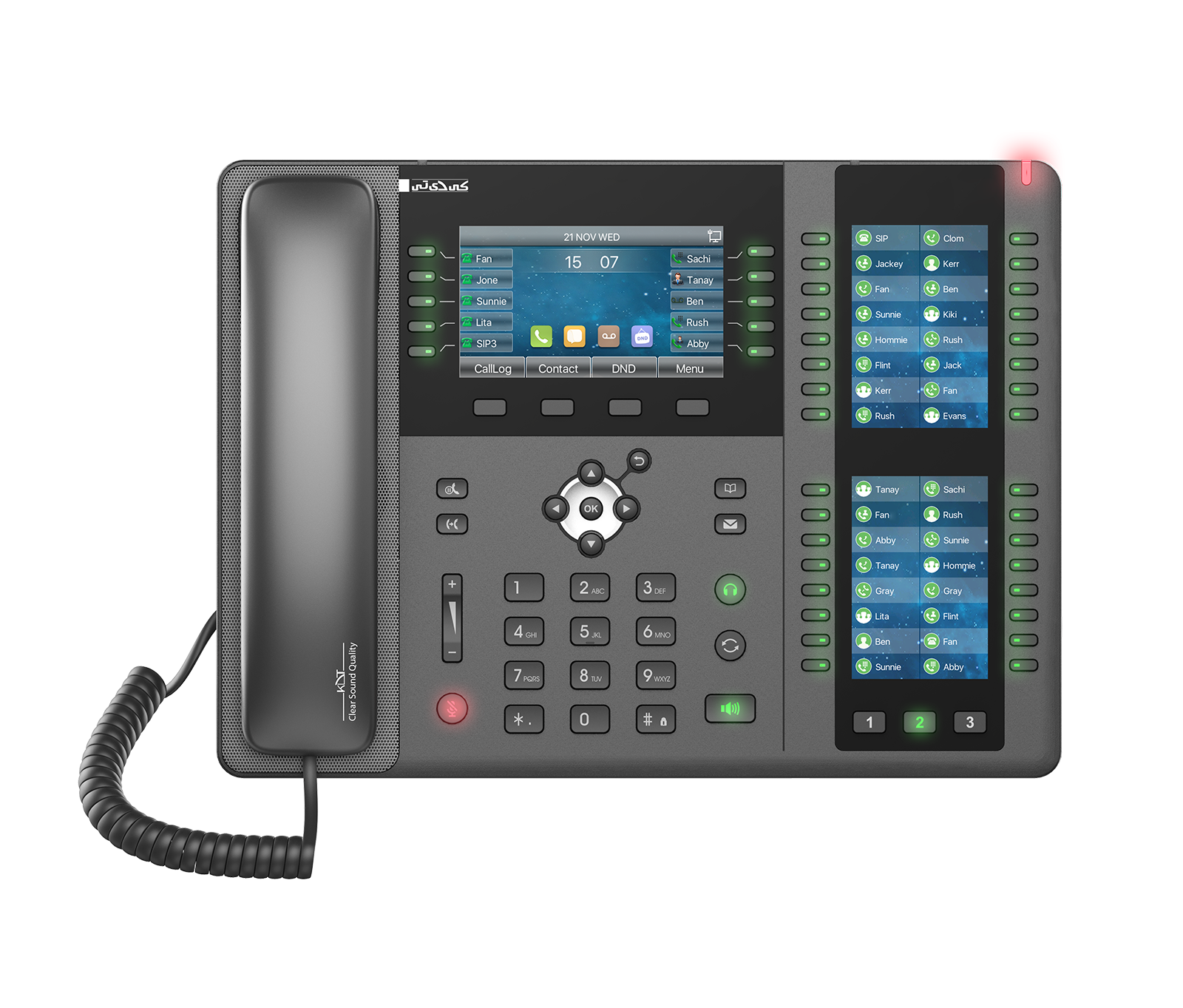 Enterprise IP PhoneKV-M4S20-PX
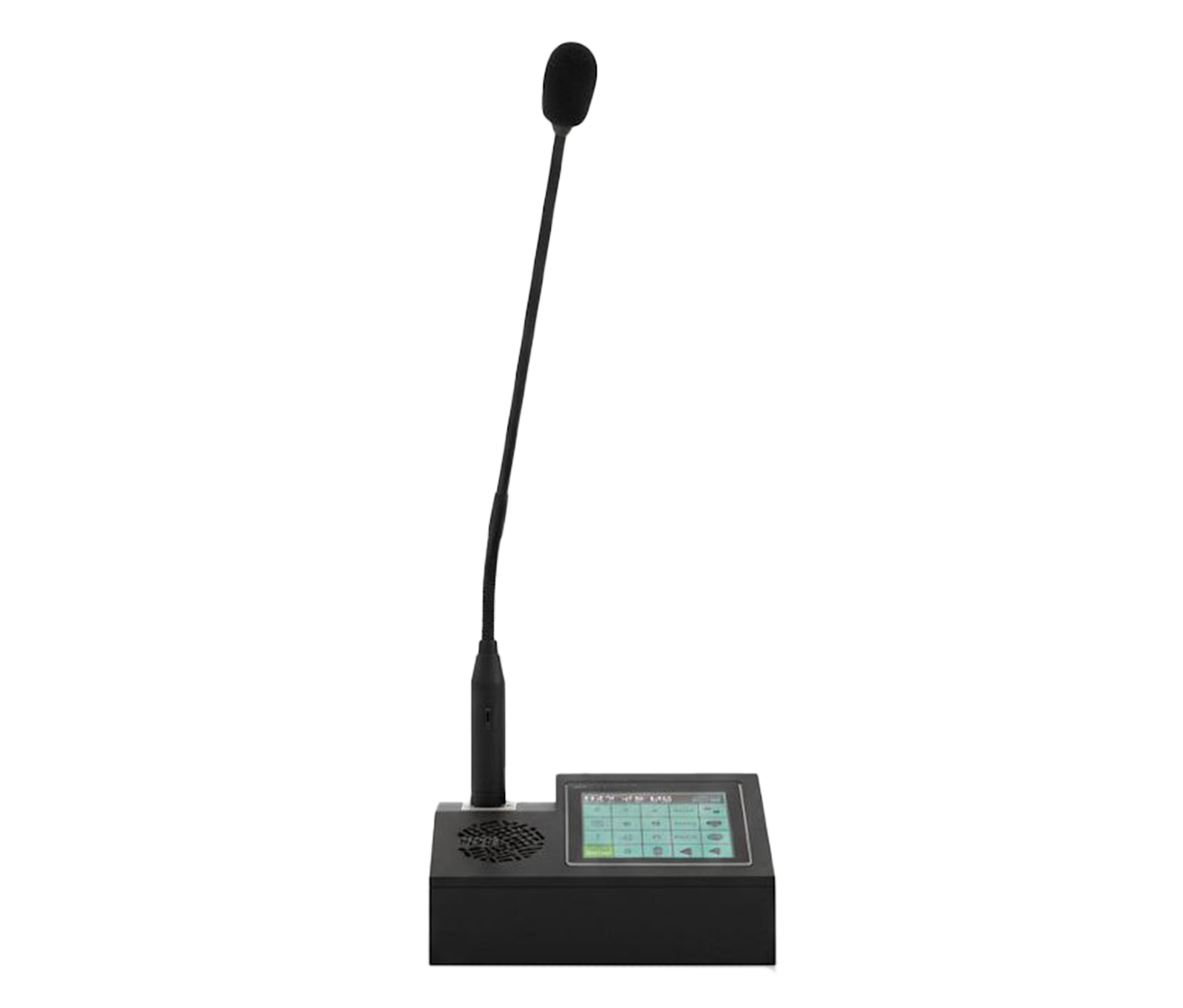 Desktop MicrophoneKV-TDC-ISM-P