
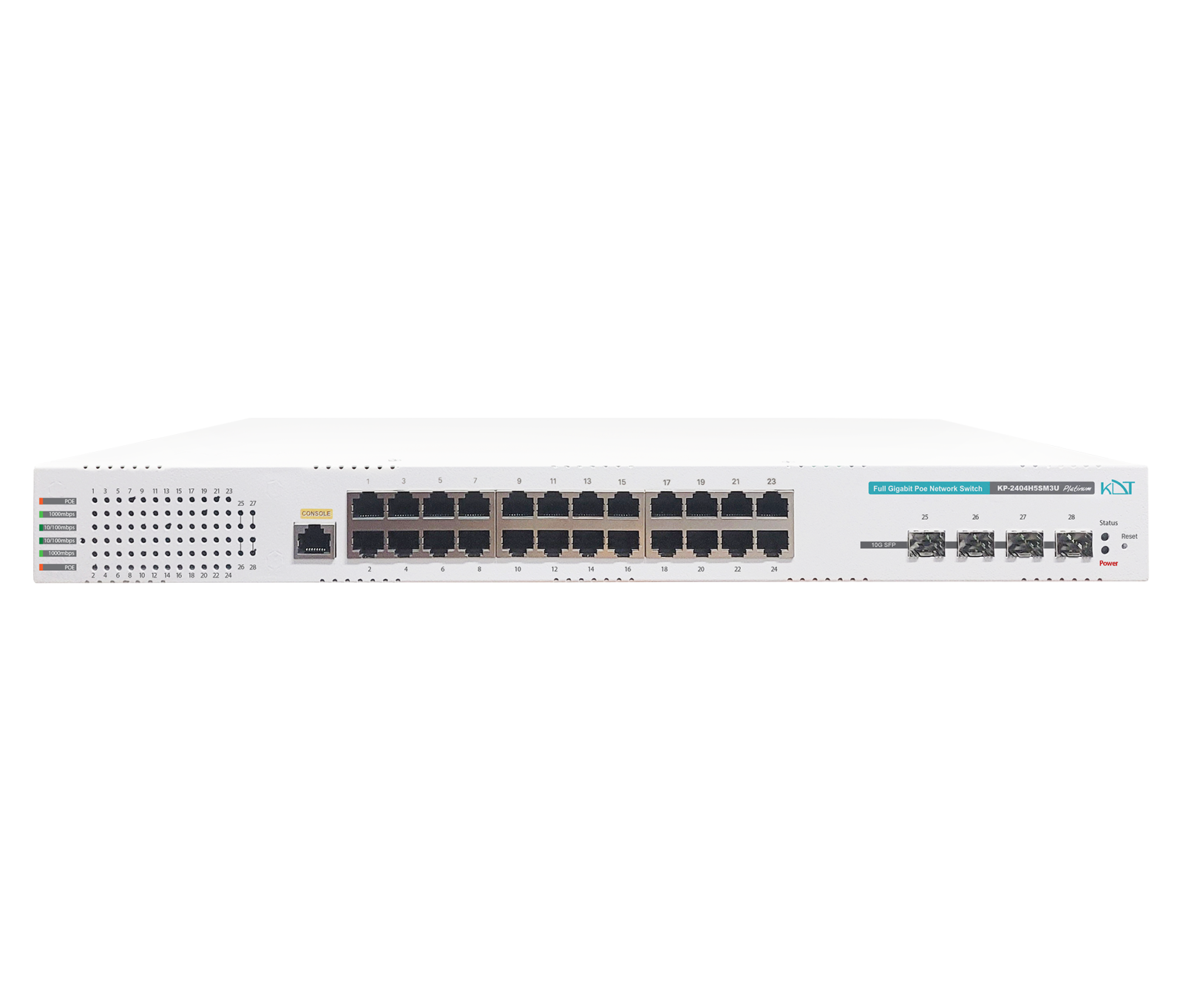
The KP-2404H5SM3U from the Platinum series is a Layer 3 managed Hi-PoE switch with 10G ports, offered as a powerful solution for large networks.
-
 POE
90W
POE
90W
-
 Managed
L3
Managed
L3
-
 Uplink port
SFP+
Uplink port
SFP+
Overview
The KP-2404H5SM3U from the Platinum series is a Layer 3 managed Hi-PoE switch with 10G ports, offered as a powerful solution for large networks. It provides 24 Gigabit PoE ports with 600 W of total power and four 10G SFP uplink ports that ensure bottleneck-free data transfer. Comprehensive support for Layer 3 routing protocols, 128 Gbps of internal bandwidth and a rugged, rack-mountable metal chassis make it an unrivaled choice for data centers and enterprise projects.
Interfaces
- Total Port
- 28 Ports
- PoE Output (Max)
- 600 Watt
- PoE Port Control
-
Realtek 8238B/
8239B - Fast RJ45 PoE Port
-
N/
A - Gigabit RJ45 PoE Port
- 24 Port Port 1~4 BT (Up to 90W) - Port 5~24 AT (Up to 30W)
- Fast RJ45 Uplink Port
-
N/
A - Gigabit RJ45 Uplink Port
-
N/
A - 10 Gb SFP Uplink Port
- 4
- Combo Uplink Port
-
N/
A
Feature
- Security
- Access IP List IEE 802.1 X MAB (MAC Authentication Bypass) / Radius Server Authentication Port Security SSH & HTTPS Login
Hardware
- Processor Type
- Realtek
- LED Panel
- Data Activity, PoE Activity, Power Activity, Redundant Activity
- Main Board
- Double Layer
- Case
- Metal Case
- Mounting
- Rackmount
General
- Protection Rating
- IP51
- Web Language
- English
- Dimensions
- 440*295*45 mm
- Weight
- 2.65 kg
- Storage Temperature
-
-20°C ~ +
60°C / 10% ~ 90% RH - Operating Temperature
-
-15°C ~ +
50°C / 10% ~ 90% RH - Radiation Electromagnetic
- EN55016
Guarantee
- Product Guarantee
- 3 Years Platinum Guarantee
- MTBF
- 100,000 hrs min. MIL-HDBK-217F (25°)
Network Performance
- Standard
- IEEE802.3ab IEEE802.3ae IEEE802.3af IEEE802.3at (Up to 30Watt) IEEE802.3az IEEE802.3bt IEEE802.3u IEEE802.3x
- Protocols
-
CSMA/
CD - Router
-
N/
A - Speed
-
10 Gigabit Ethernet 10000Mbps (half duplex), 20000Mbps
10000BASE-TX: 14880000bps/
port Ethernet 10Mbps (half duplex), 20Mbps (full duplex); 10BASE-T: 14,880bps/port Fast Ethernet 100Mbps (half duplex), 200Mbps (full duplex); 100BASE-TX:14,8800bps/port Gigabit Ethernet 1000Mbps (half duplex), 2000Mbps (full duplex); 1000BASE-TX: 1488000bps/port - Cabling
-
1000 Base-TX: Cat 6 UTP or above (100m)
100Base-TX:Cat 6 UTP
(120m) PoE=250M 10Base-TX: Cat 5 or above (250m) PoE=250M - Bandwidth
- 128Gb Internal Bandwidth
- MAC Table
- 512Kb
- Auto MDI
- Yes All Ports
- Console
- Yes - Web & RS232 Layer3 Management (Telnet / SSH/ CLI)
- Transfer Pattern
- Store & Forward
PD`S
- IP Camera
- Yes
- IP Phone
- Yes
- (+)2/1,
( - Yes
Power Supply
- Power
- 200~240V AC, 50~60Hz
- Redundant
-
N/
A - LED Power
- Yes
- Power Cable
- Available
Compare products
Compare this product with similar products
Please wait
Frequently asked questions
Questions about this product
Where should I start when choosing the right network switches?
Start by defining the intended use, the number of devices, the installation environment, the capacity required and your plans for future expansion. Then choose the model and technical specifications based on what the project actually needs.
Which technical specifications matter most for network switches?
Depending on the project, the most important specifications are capacity, speed, compatibility, environmental ratings, management features and scalability. Basing your choice on a single figure is usually not enough.
Is a cheaper network switch model always the right choice?
No. The purchase price is only one factor. You also need to consider reliability, features, service life, after-sales service and maintenance costs.
How do I work out how much capacity a switched network needs?
Base the calculation on the number of devices, actual usage, how long the system will be in use and how much the project is likely to grow. It is also wise to keep some capacity in reserve.
Can network switches be upgraded later?
In many cases, some of the capacity or equipment can be upgraded. However, this depends on the product's architecture and its hardware limitations, so check before you buy.
Frequently asked questions: Network Switches
Answers to common questions about this product line, from the KDT Help Center.
Where should I start when choosing the right network switches?
Start by defining the intended use, the number of devices, the installation environment, the capacity required and your plans for future expansion. Then choose the model and technical specifications based on what the project actually needs.
Which technical specifications matter most for network switches?
Depending on the project, the most important specifications are capacity, speed, compatibility, environmental ratings, management features and scalability. Basing your choice on a single figure is usually not enough.
Is a cheaper network switch model always the right choice?
No. The purchase price is only one factor. You also need to consider reliability, features, service life, after-sales service and maintenance costs.
How do I work out how much capacity a switched network needs?
Base the calculation on the number of devices, actual usage, how long the system will be in use and how much the project is likely to grow. It is also wise to keep some capacity in reserve.
Can network switches be upgraded later?
In many cases, some of the capacity or equipment can be upgraded. However, this depends on the product's architecture and its hardware limitations, so check before you buy.
Didn’t find your answer?
Warranty
3-Year Platinum Warranty
This product comes with the official KDT warranty. Check your device’s warranty status with its serial number.
Check warrantyRelated products
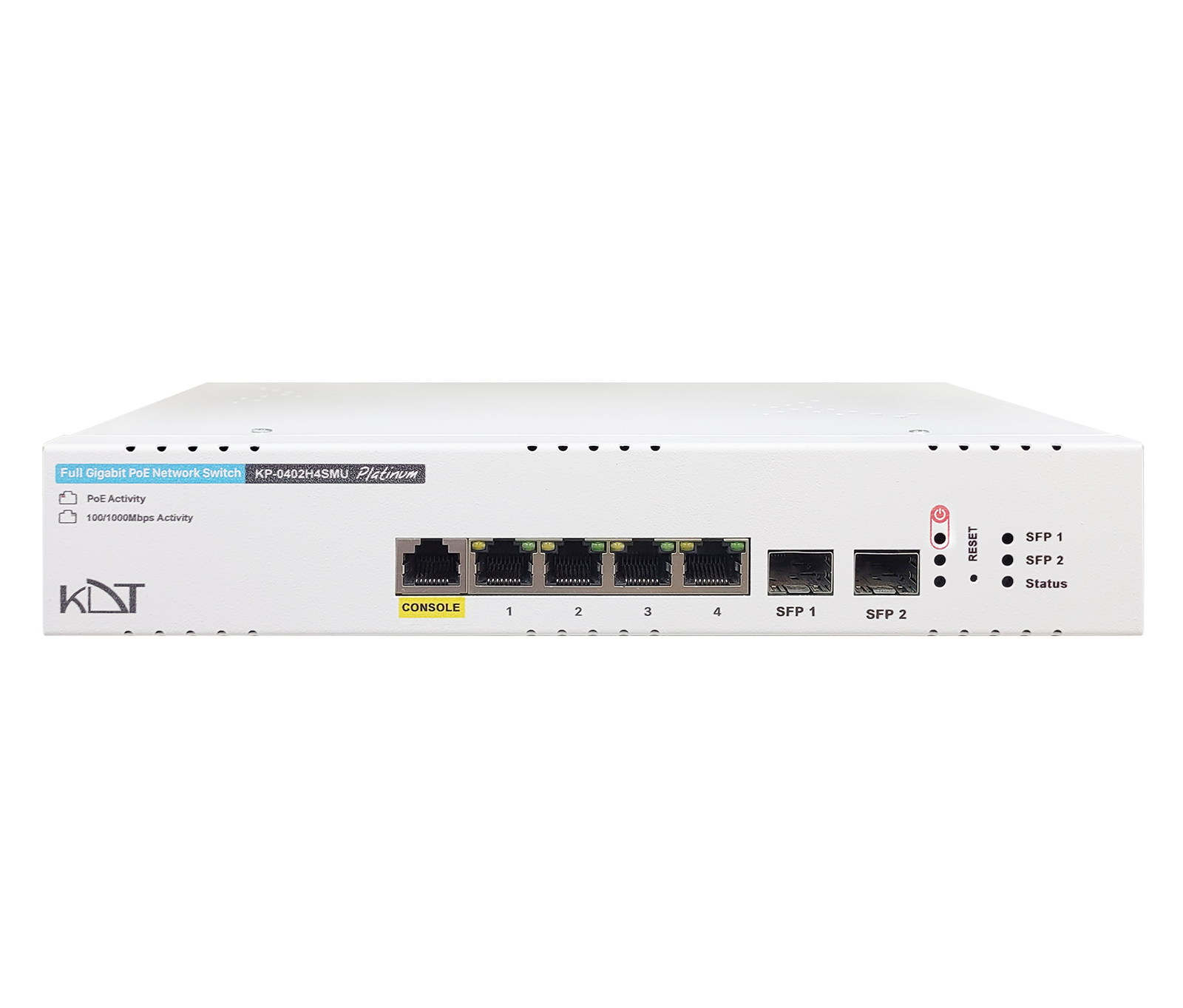 Full Gigabit Hi-PoE L2 Managed SwitchKP-0402H4SMU
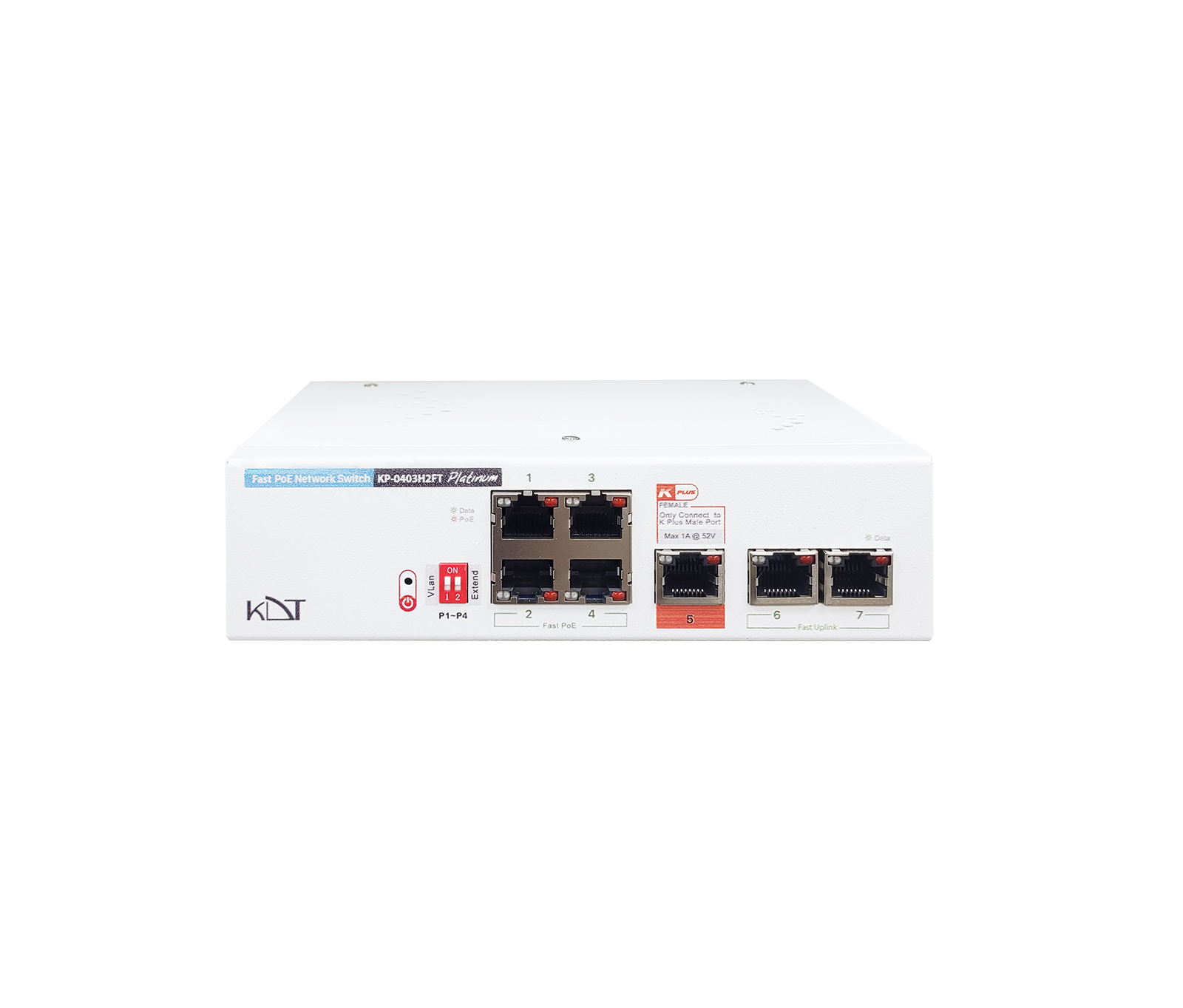 Fast Ethernet AI PoE+ SwitchKP-0403H2FT
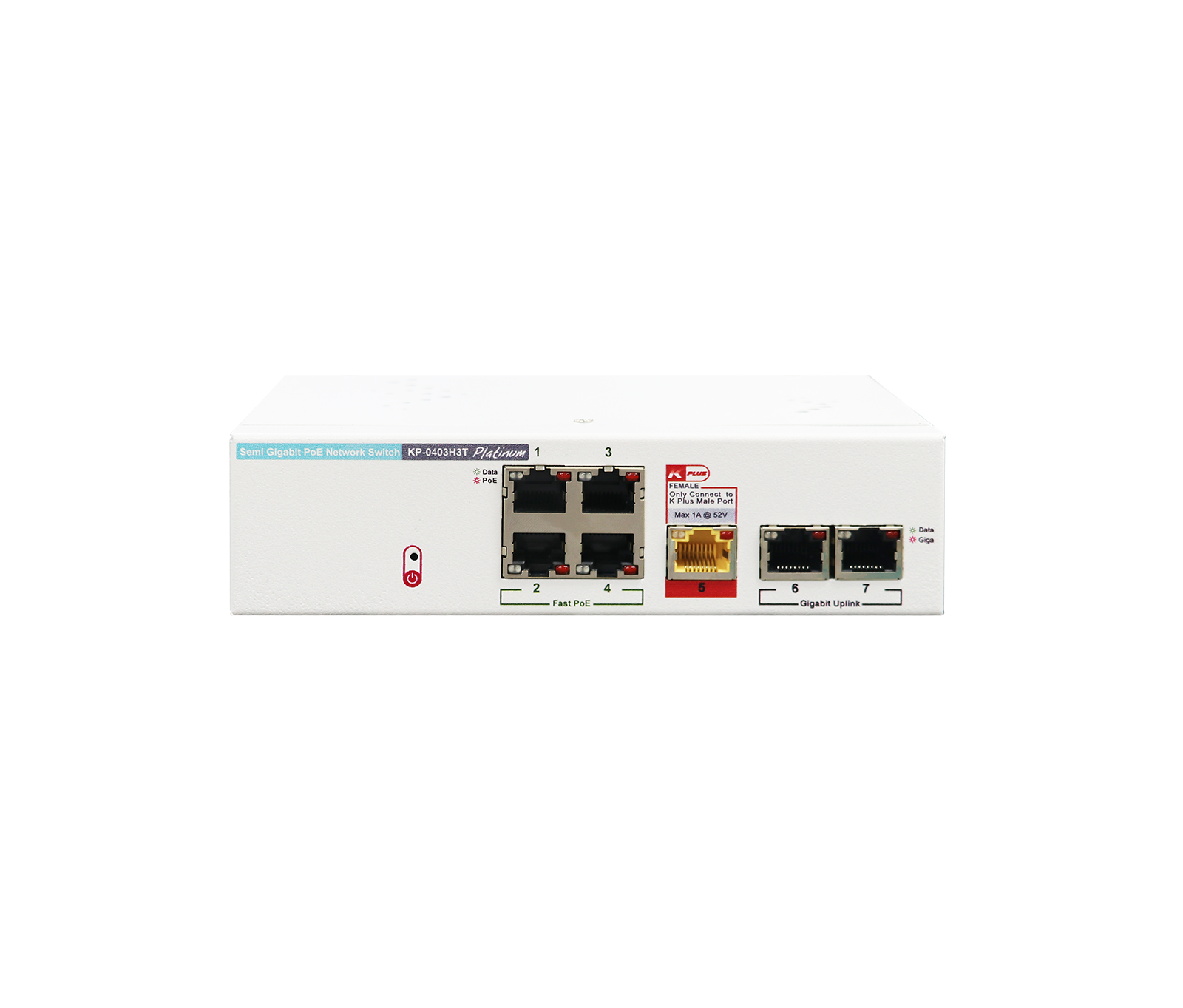 Semi Gigabit PoE+ SwitchKP-0403H3T
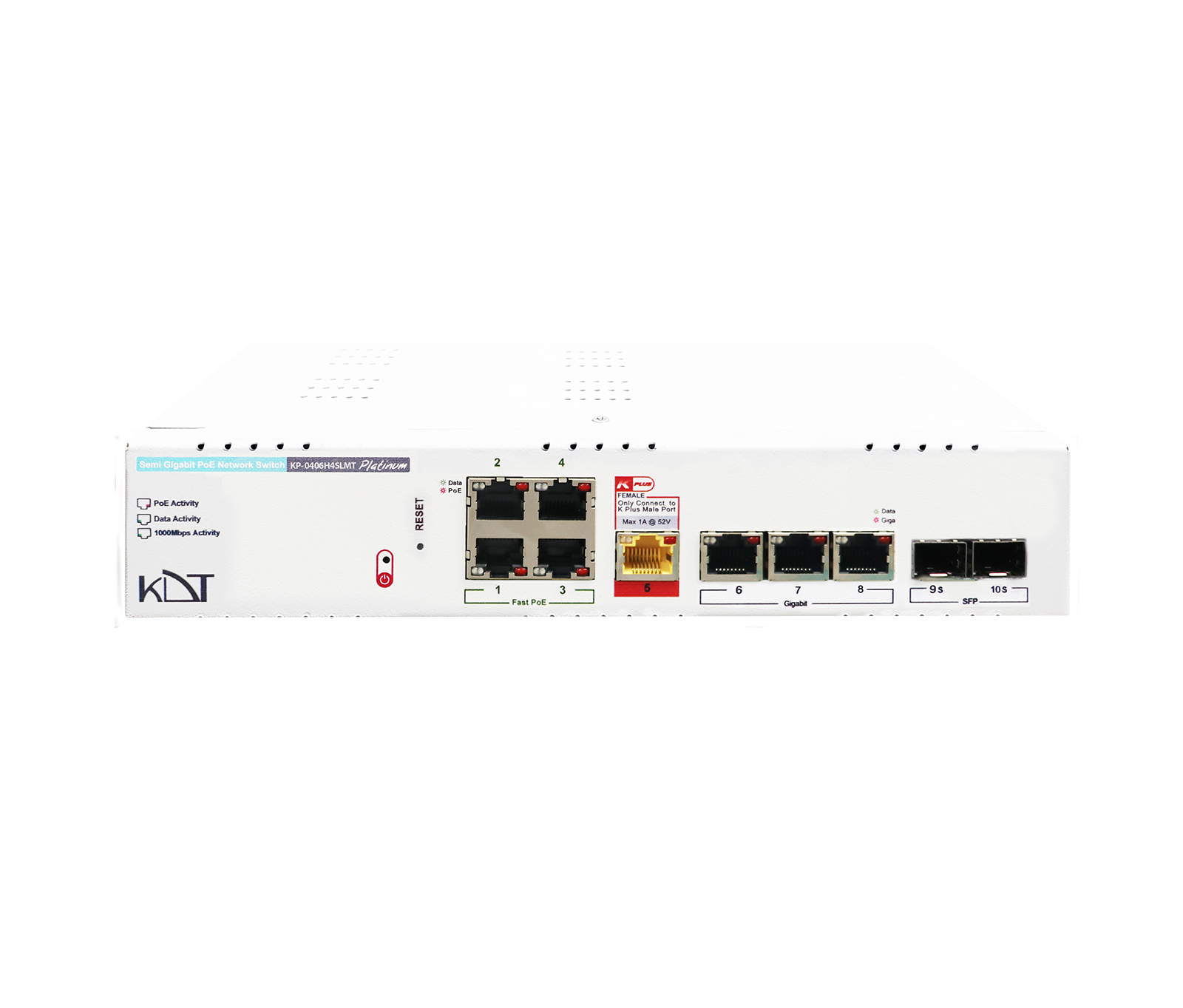 Full Gigabit PoE+ Lite-Managed SwitchKP-0406H4SLMT
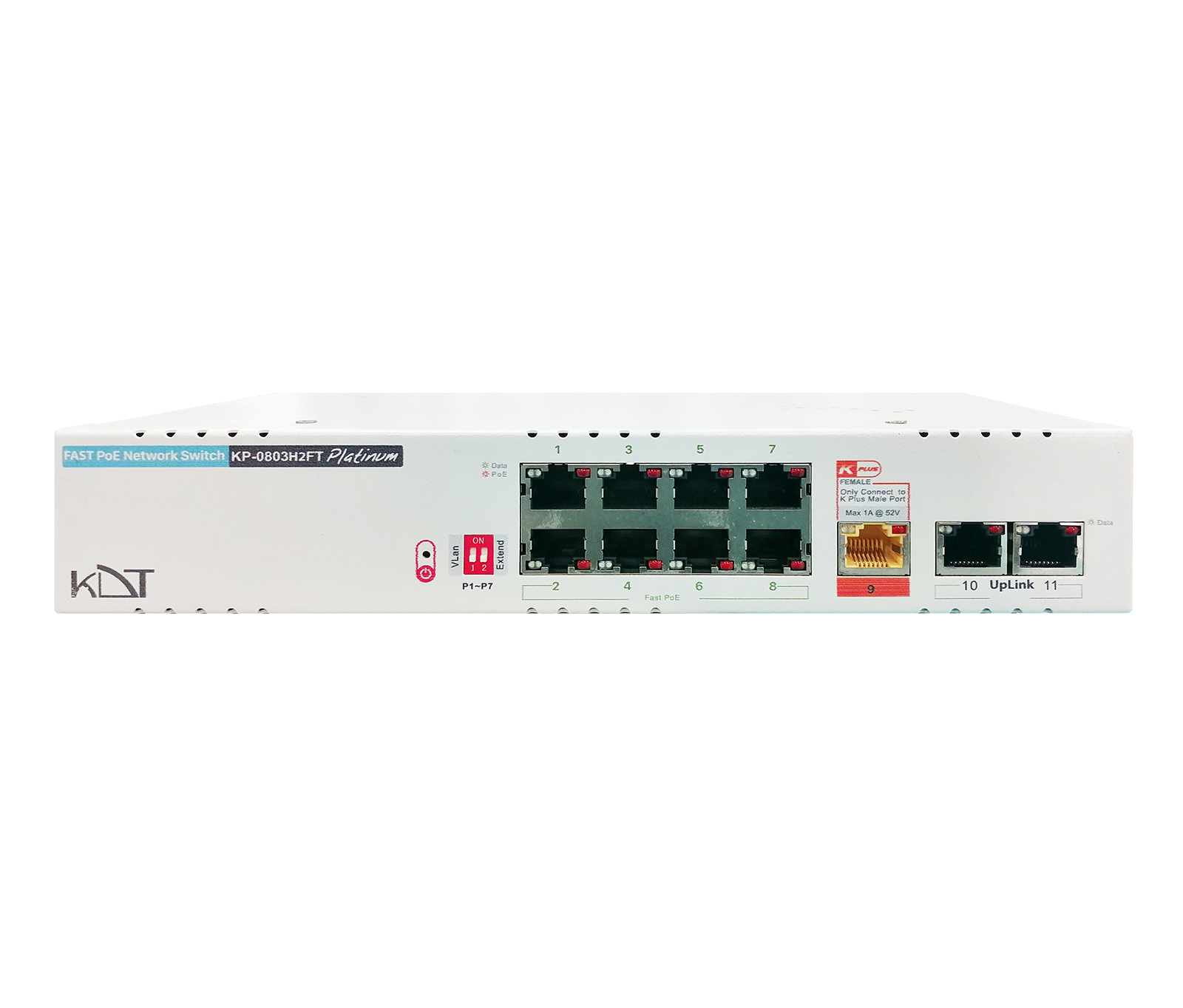 Fast Ethernet AI PoE+ SwitchKP-0803H2FT
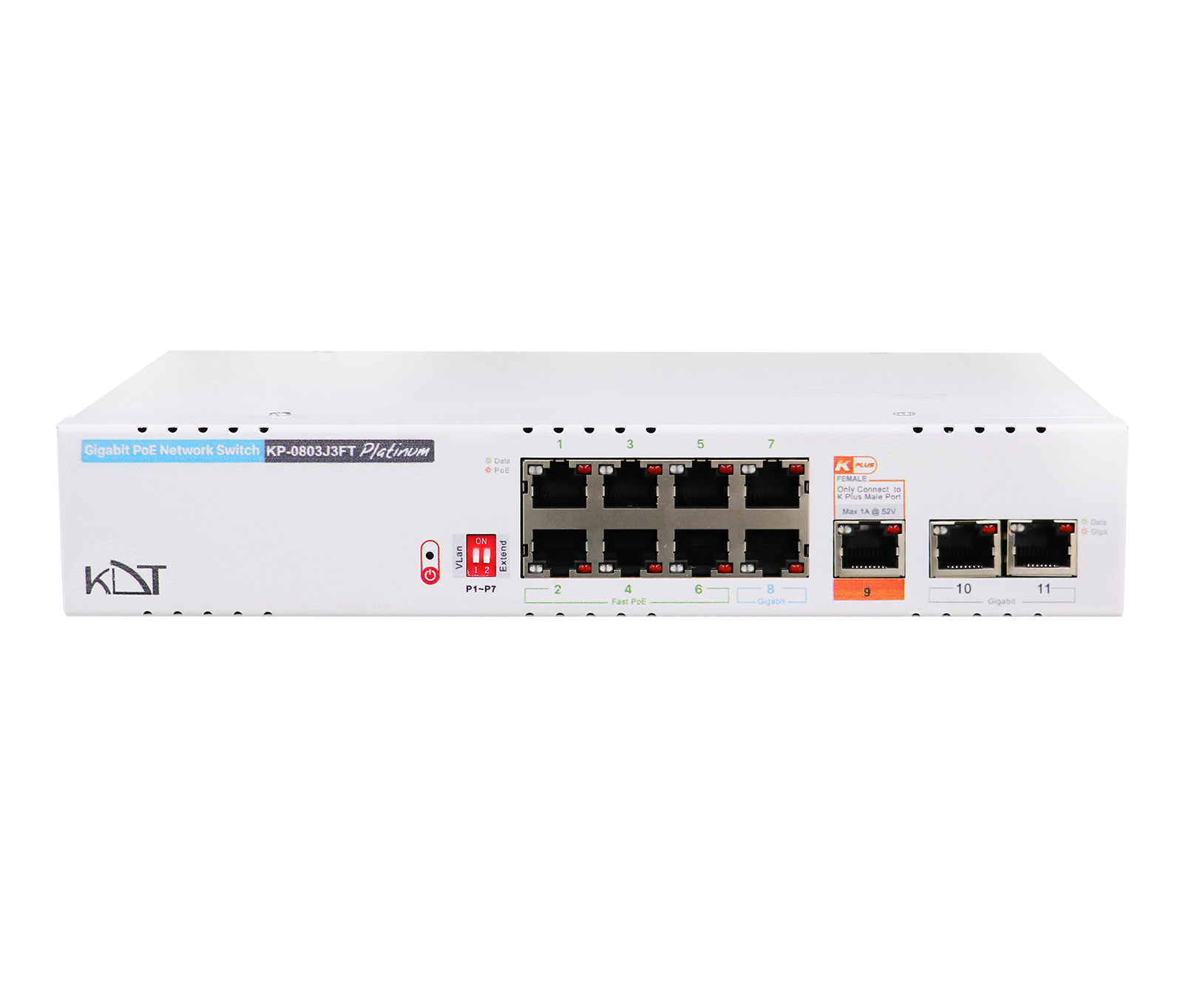 Semi Gigabit PoE+ SwitchKP-0803J3FT
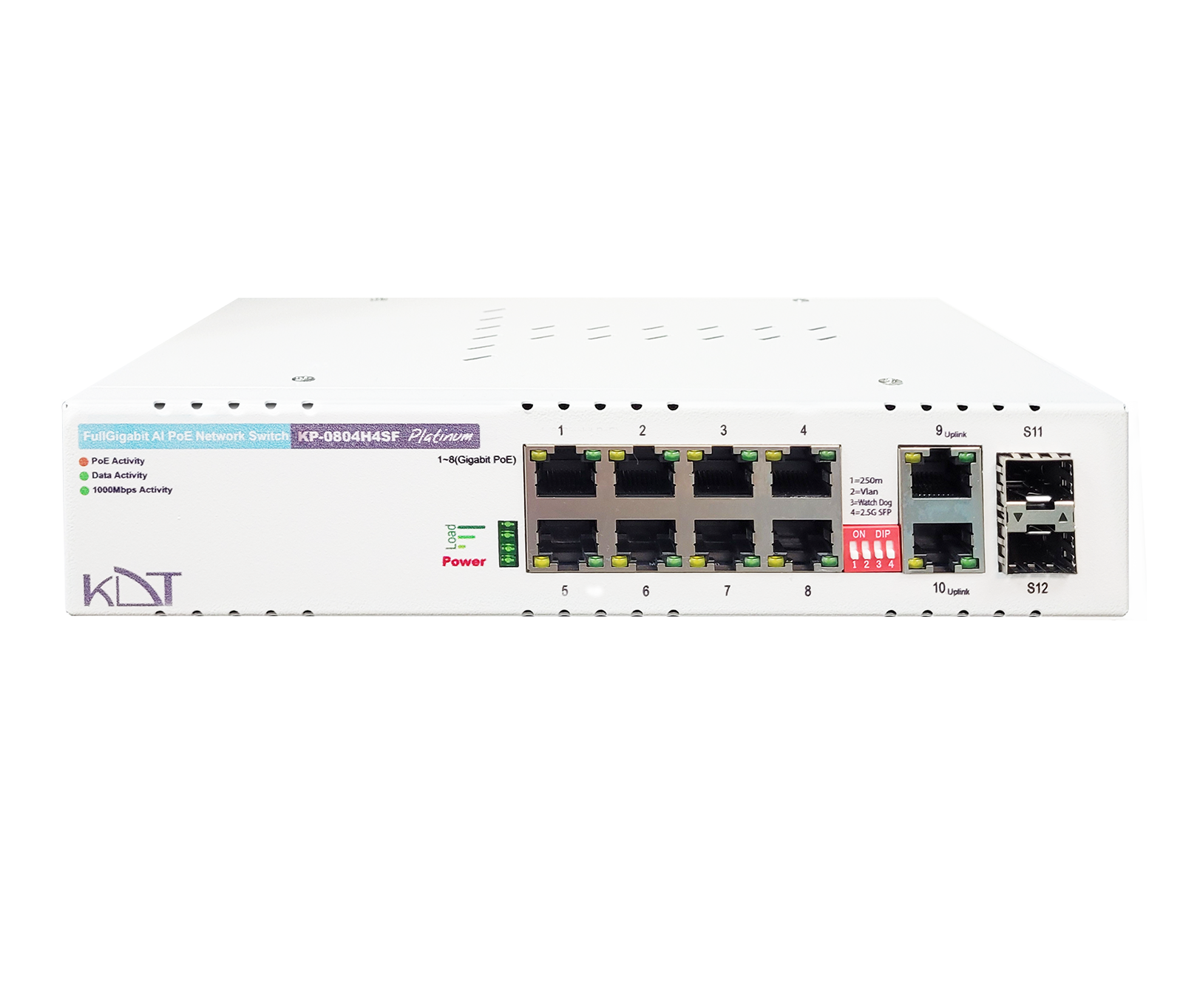 Full Gigabit AI PoE+ SwitchKP-0804H4SF
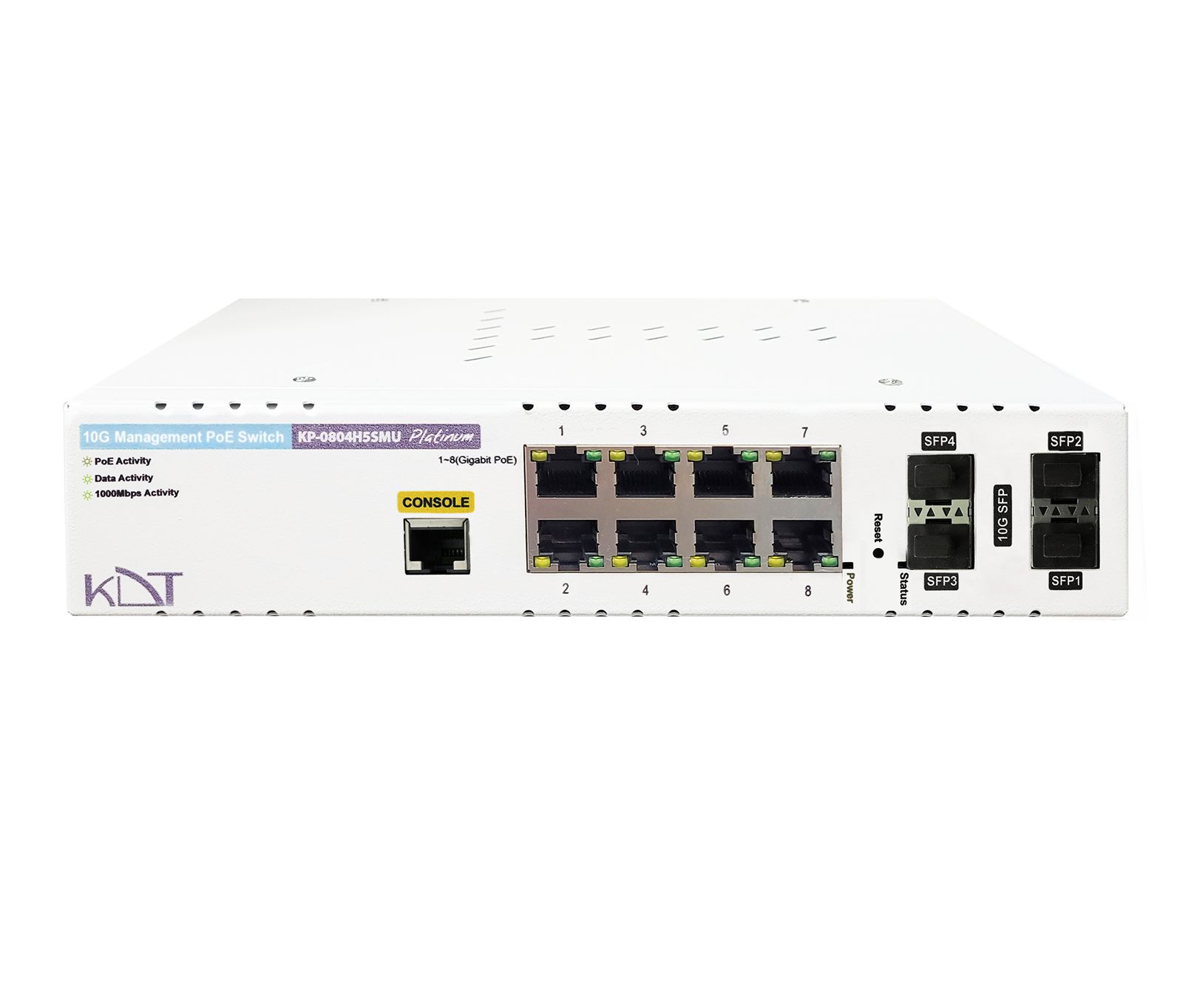 10 Gigabit Hi-PoE L2 Managed SwitchKP-0804H5SMU
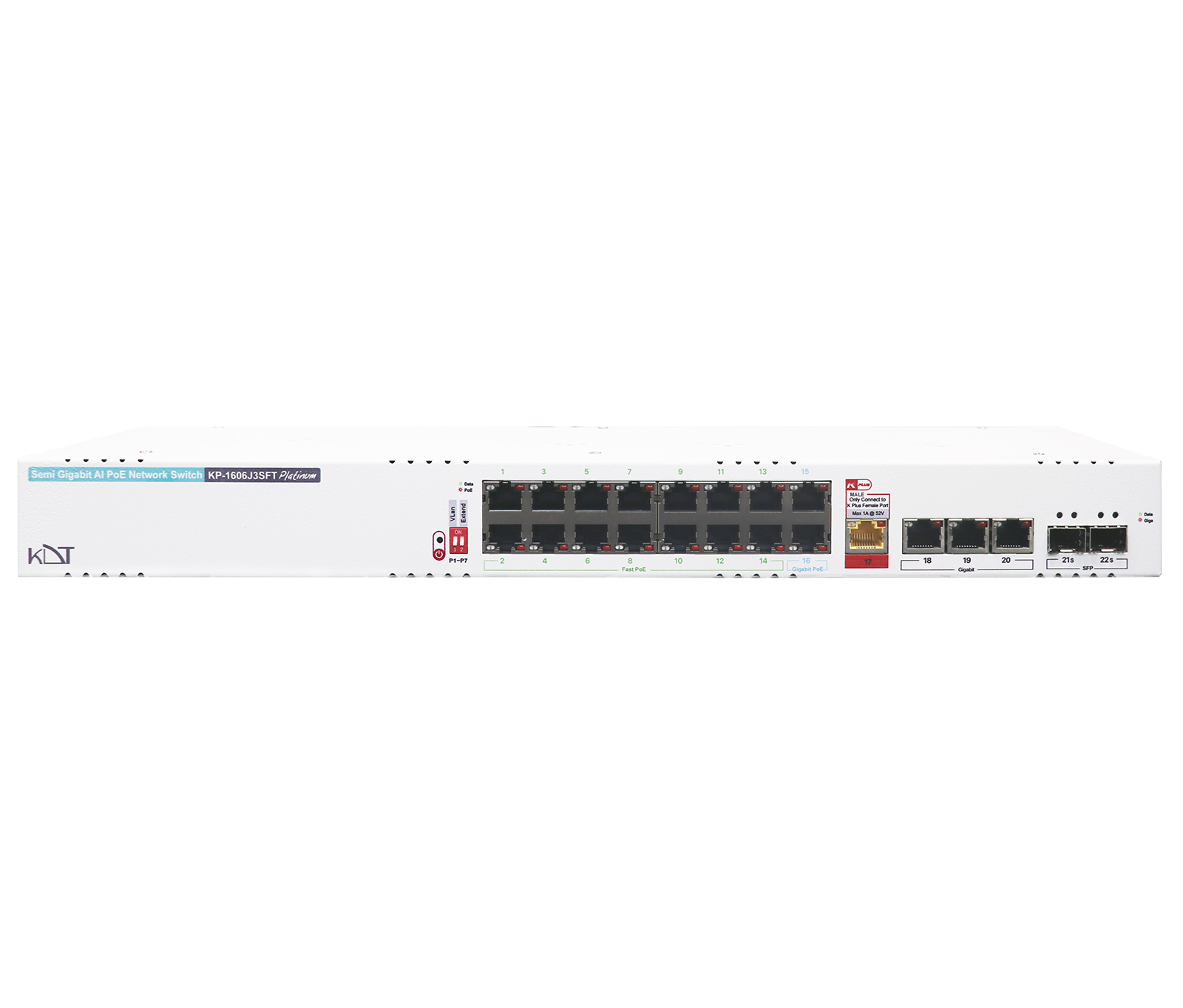 Semi Gigabit AI PoE+ SwitchKP-1606J3SFT
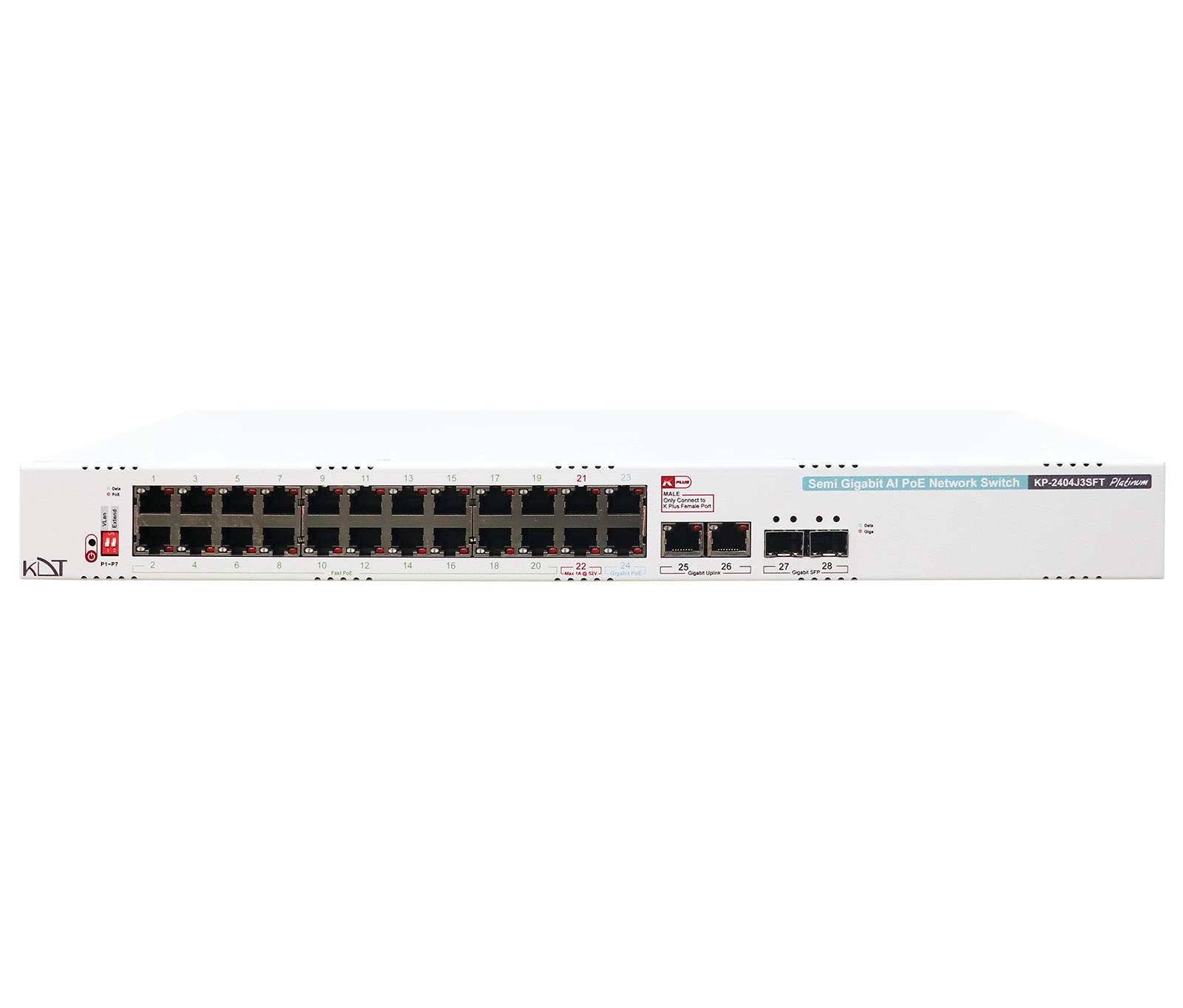 Semi Gigabit AI PoE+ SwitchKP-2404J3SFT
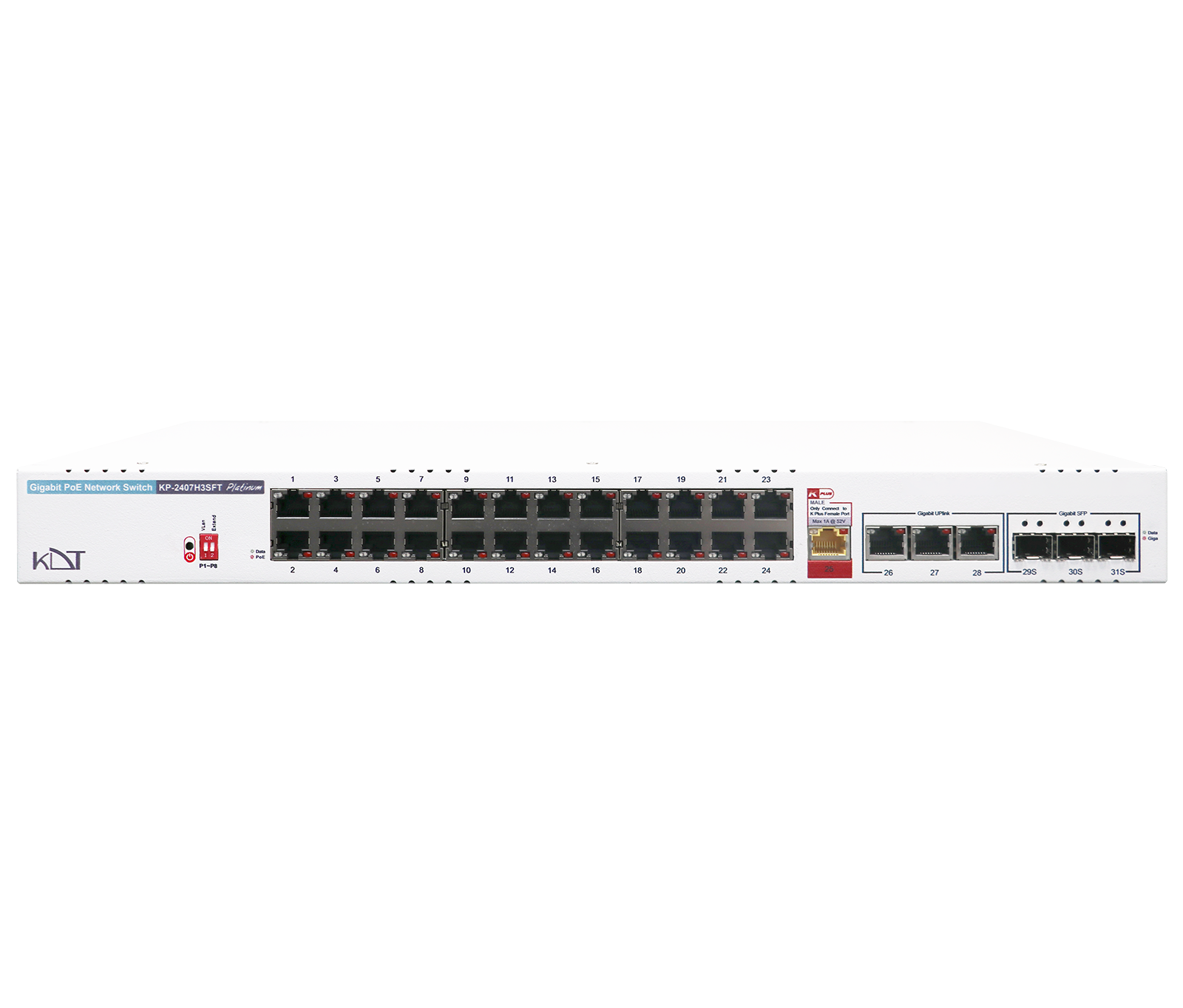 Semi Gigabit AI PoE+ SwitchKP-2407H3SFT
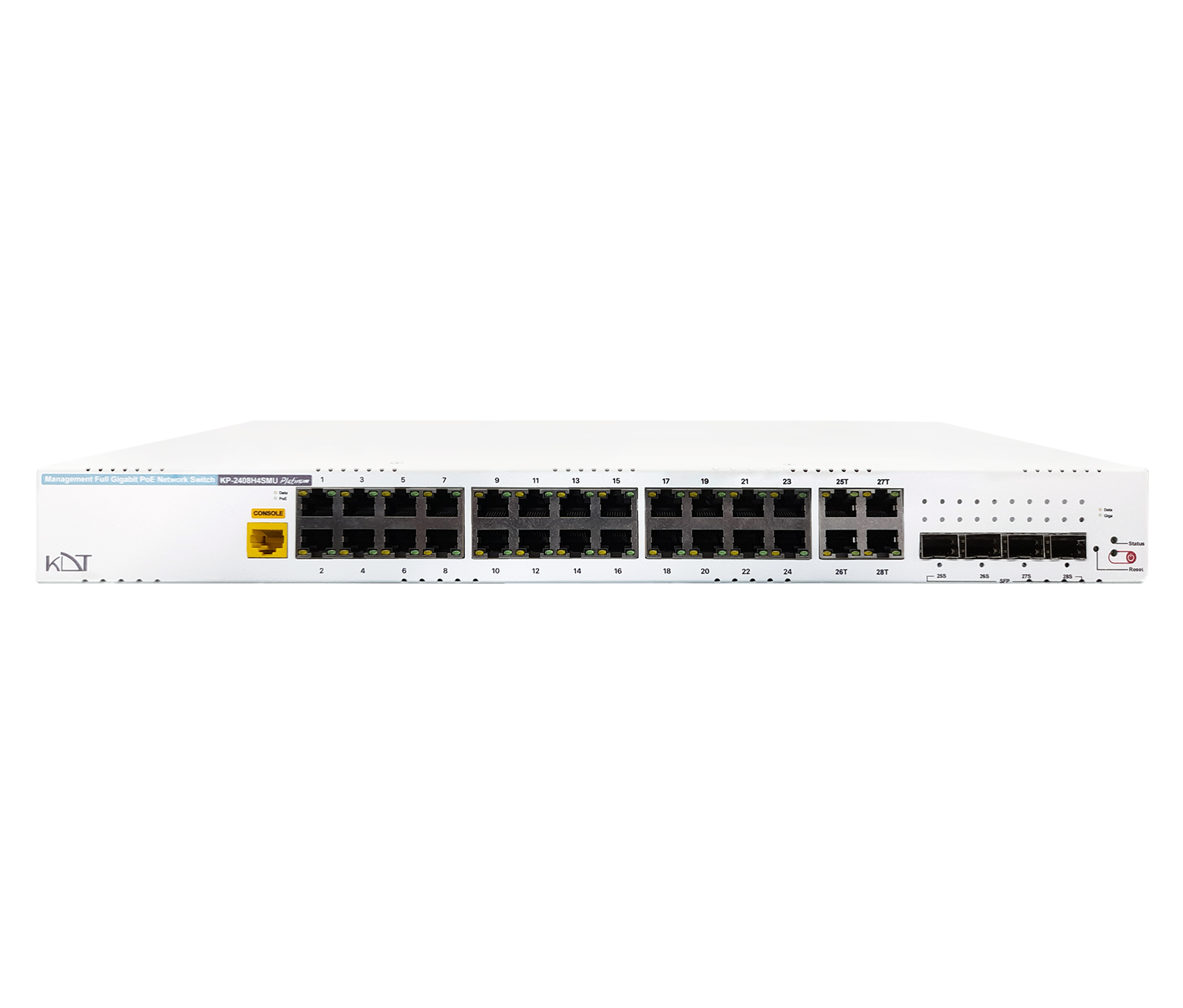 Full Gigabit Hi-PoE L2 Managed SwitchKP-2408H4SMU