
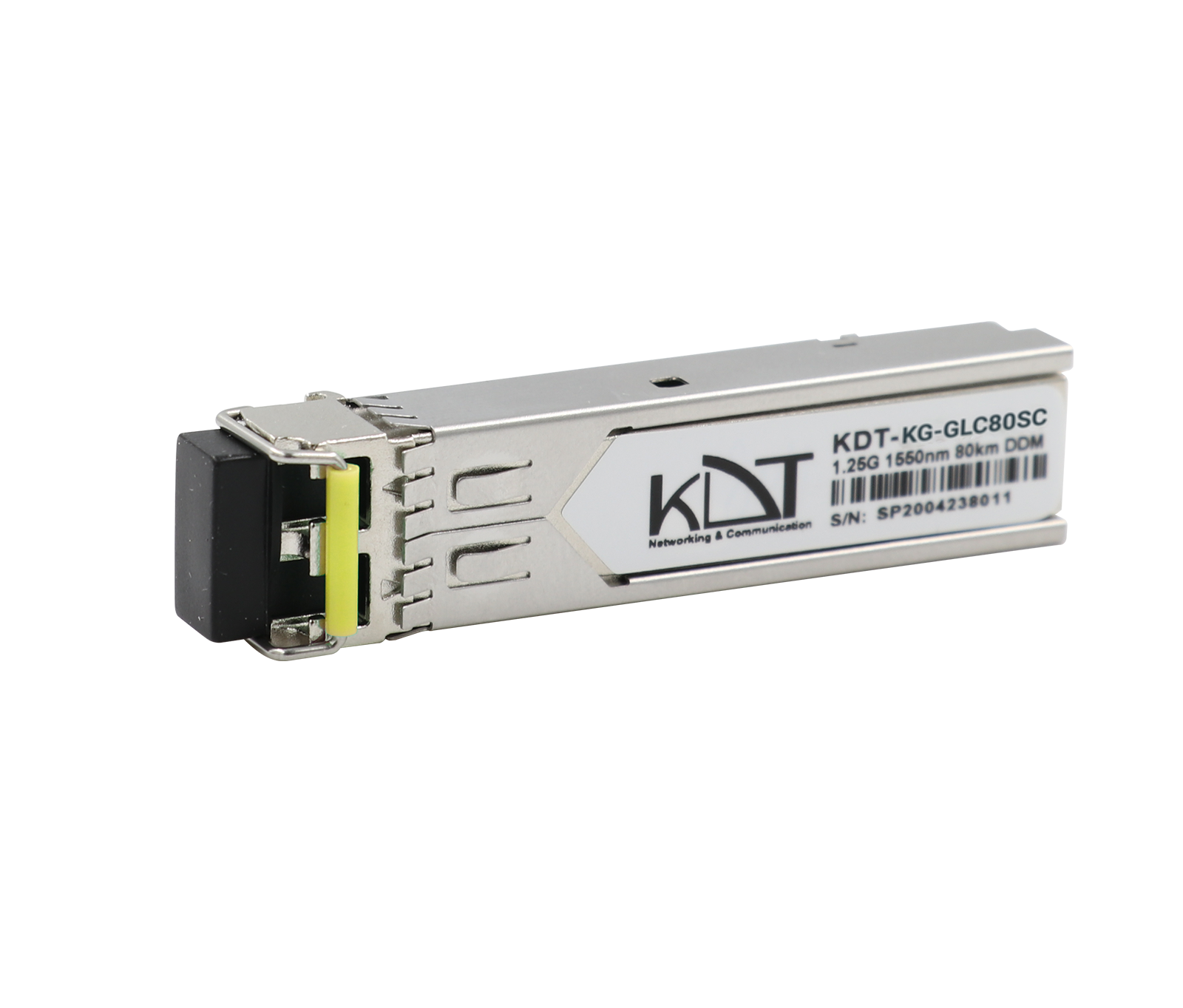
The KG-GLC80SC fiber optic module from KDT's Cuprium series is a powerful, specialized solution for carrying network data over very long distances on single-mode fiber.
Overview
The KG-GLC80SC fiber optic module from KDT's Cuprium series is a powerful, specialized solution for carrying network data over very long distances on single-mode fiber. With a dedicated wavelength, a rugged aluminum housing and DDM support for live performance monitoring, this SFP transceiver ensures exceptionally stable, uninterrupted connections on intercity optical links and large-scale infrastructure projects.
Performance
- Max Data Transfer Rate
- 1.25 Gbps
- MTBF
- 3,381,761 Hours
- Wavelength
- 1550nm
- Max Transfer Distance
- 80 Km
- Fiber Type
- Single
- Fiber Operating Mode
- Full-Duplex
- DDM
- Yes
- Compatible Networks
- 1000 Mbps (1 Gbps)
Connector(s)
- Local Unit Connectors
- Fiber Optic LC Duplex Female
Physical Characteristics
- Color
- Silver
- Enclosure Type
- Aluminum
- Product Height
- 12.5 mm [0.5 in]
- Product Length
- 56.6 mm [2.2 in]
- Product Weight
- 16 g [0.6 oz]
- Product Width
- 13.7 mm [0.5 in]
Hardware
- Industry Standards
- IEEE 802.3z 1000BASE-SX
- Compatible Brand
- Cisco, D-Link, etc, KDT, Planet
Downloads
Documentation
-
KG-GLC80SC
Compare products
Compare this product with similar products
Please wait
Frequently asked questions: Fiber Optic Products
Answers to common questions about this product line, from the KDT Help Center.
Where should I start when choosing the right fiber optic products?
Start by defining the intended use, the number of devices, the installation environment, the capacity required and your plans for future expansion. Then choose the model and technical specifications based on what the project actually needs.
Which technical specifications matter most for fiber optic products?
Depending on the project, the most important specifications are capacity, speed, compatibility, environmental ratings, management features and scalability. Basing your choice on a single figure is usually not enough.
Is a cheaper fiber optic product model always the right choice?
No. The purchase price is only one factor. You also need to consider reliability, features, service life, after-sales service and maintenance costs.
How do I work out how much capacity a fiber optic network needs?
Base the calculation on the number of devices, actual usage, how long the system will be in use and how much the project is likely to grow. It is also wise to keep some capacity in reserve.
Can fiber optic products be upgraded later?
In many cases, some of the capacity or equipment can be upgraded. However, this depends on the product's architecture and its hardware limitations, so check before you buy.
Didn’t find your answer?
Related products
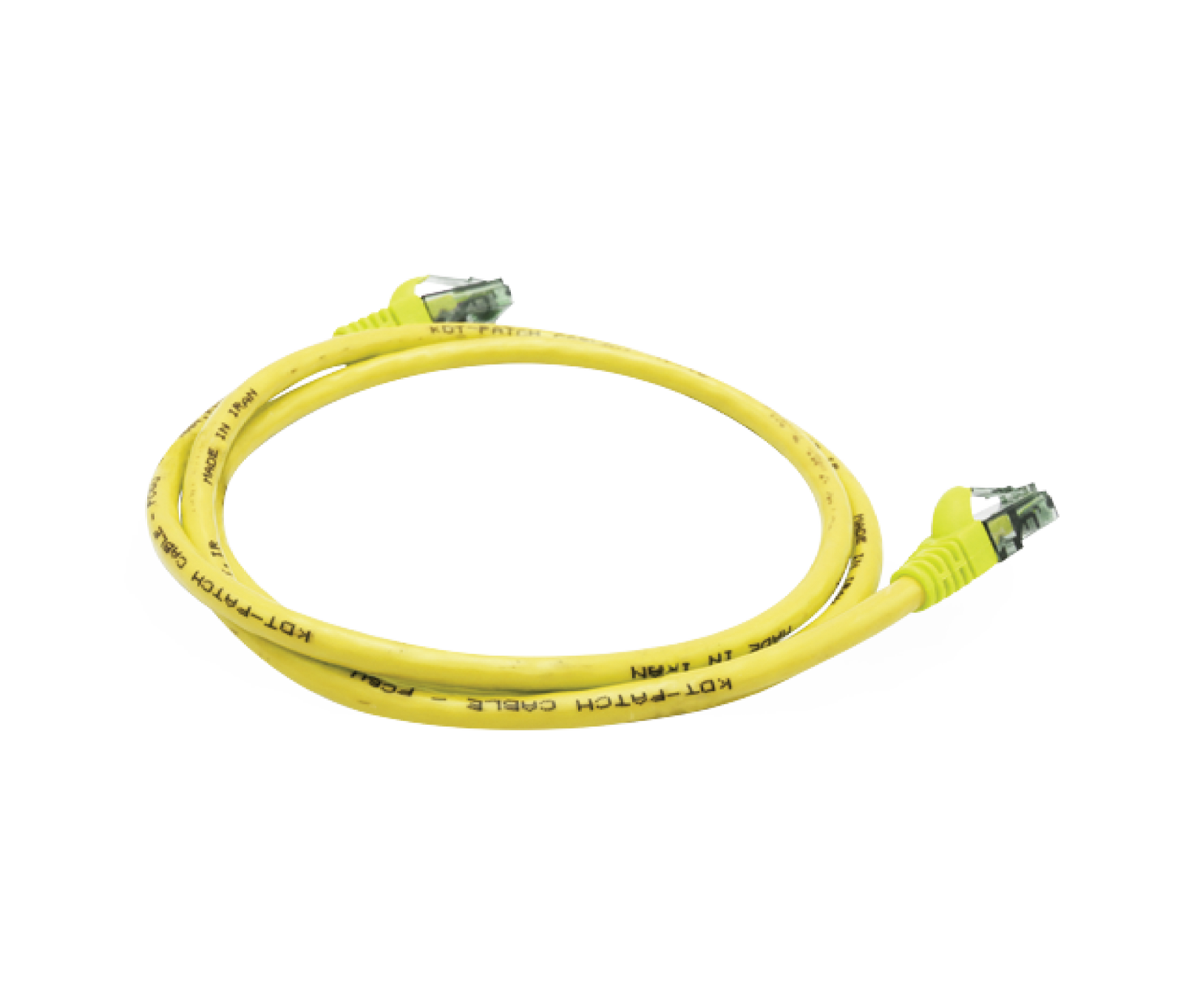 Cat 6 S/FTP Patch CordPC-CM6SFTP
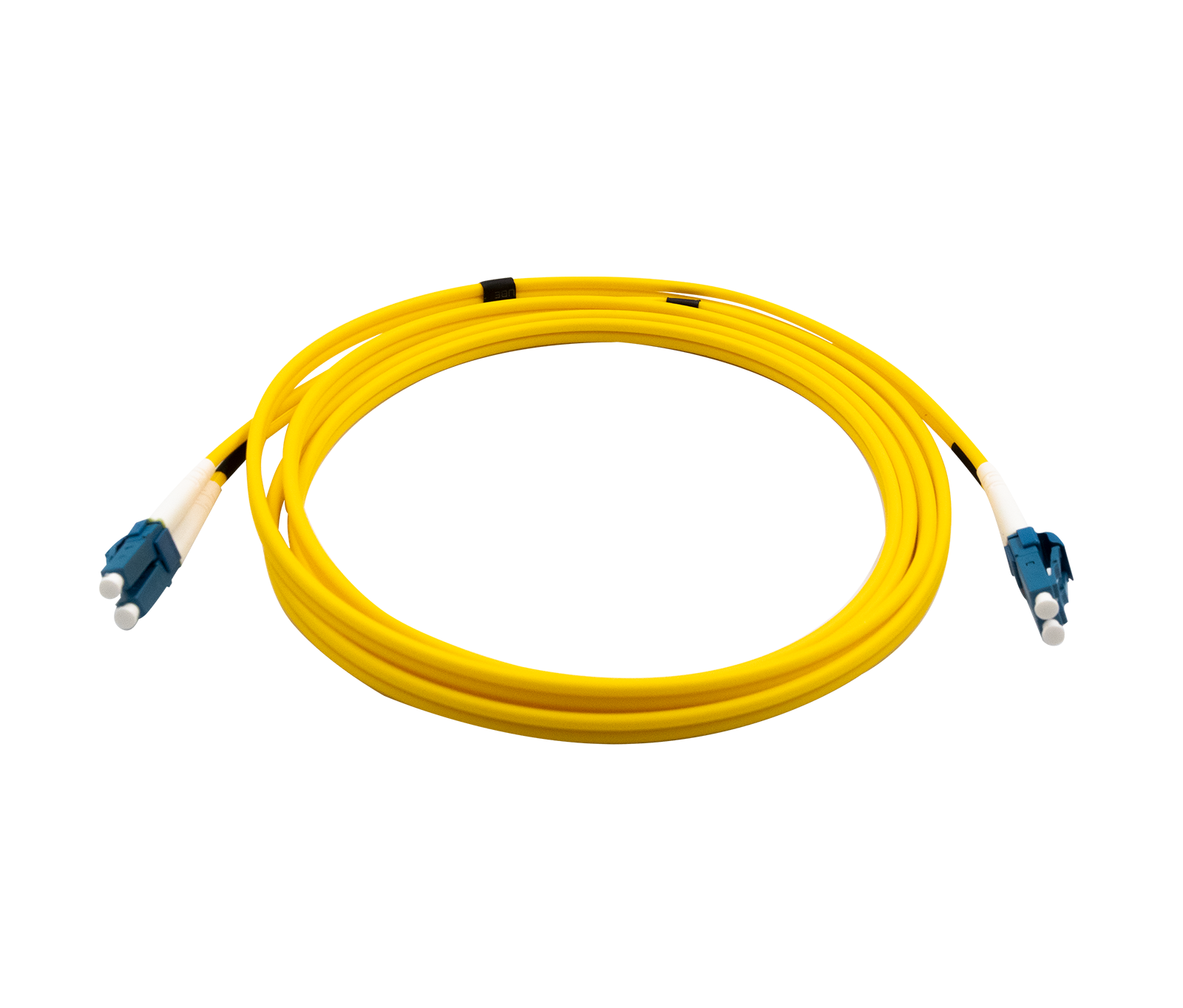 Single Mode SC to LC Fiber Optic Patch CordPF-SCLC
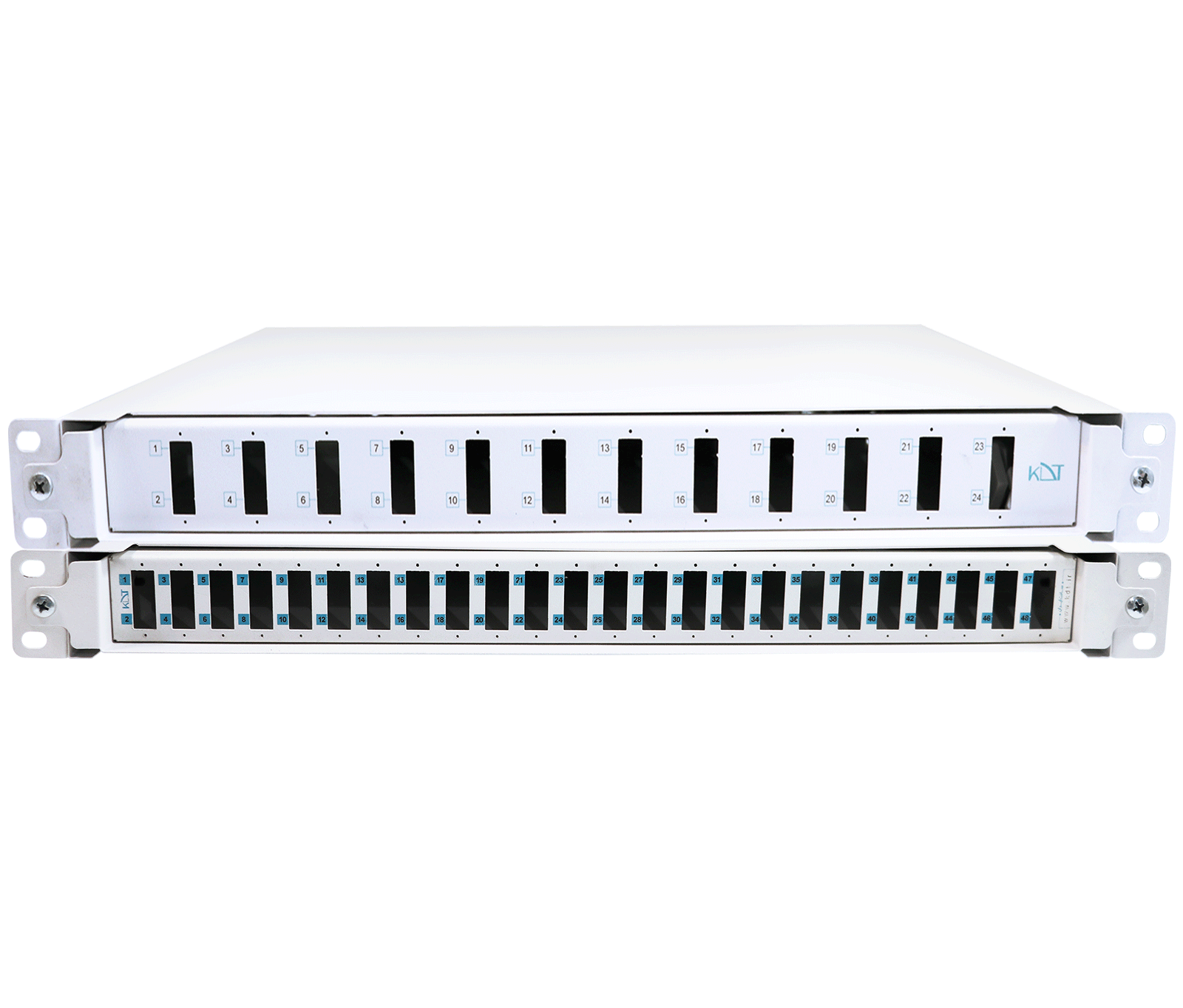
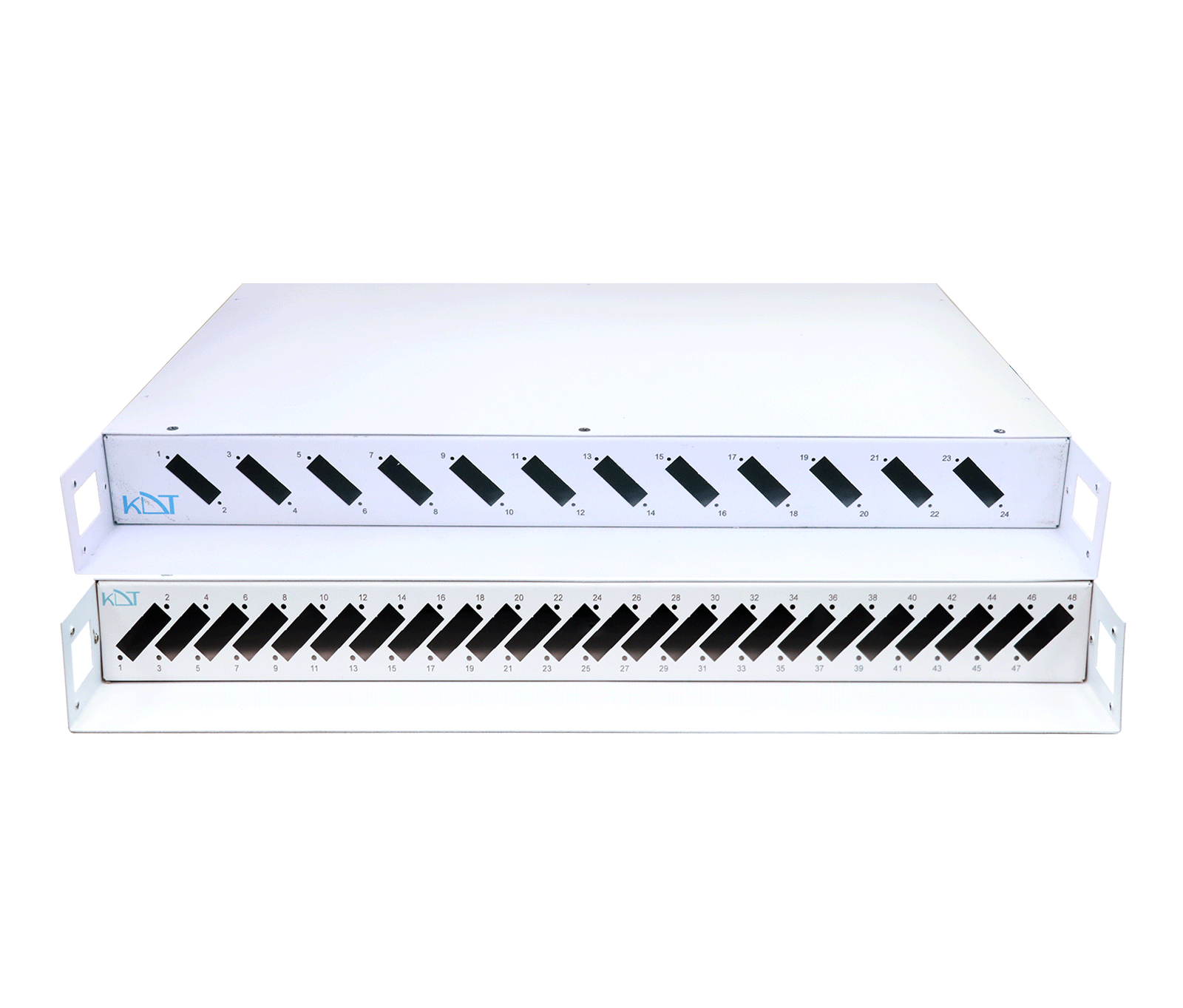 12-Port Rack Mount Fiber Optic Patch PanelFP-12D1UF
 12-Port Rail Mount Fiber Optic Patch PanelFP-12D1UR
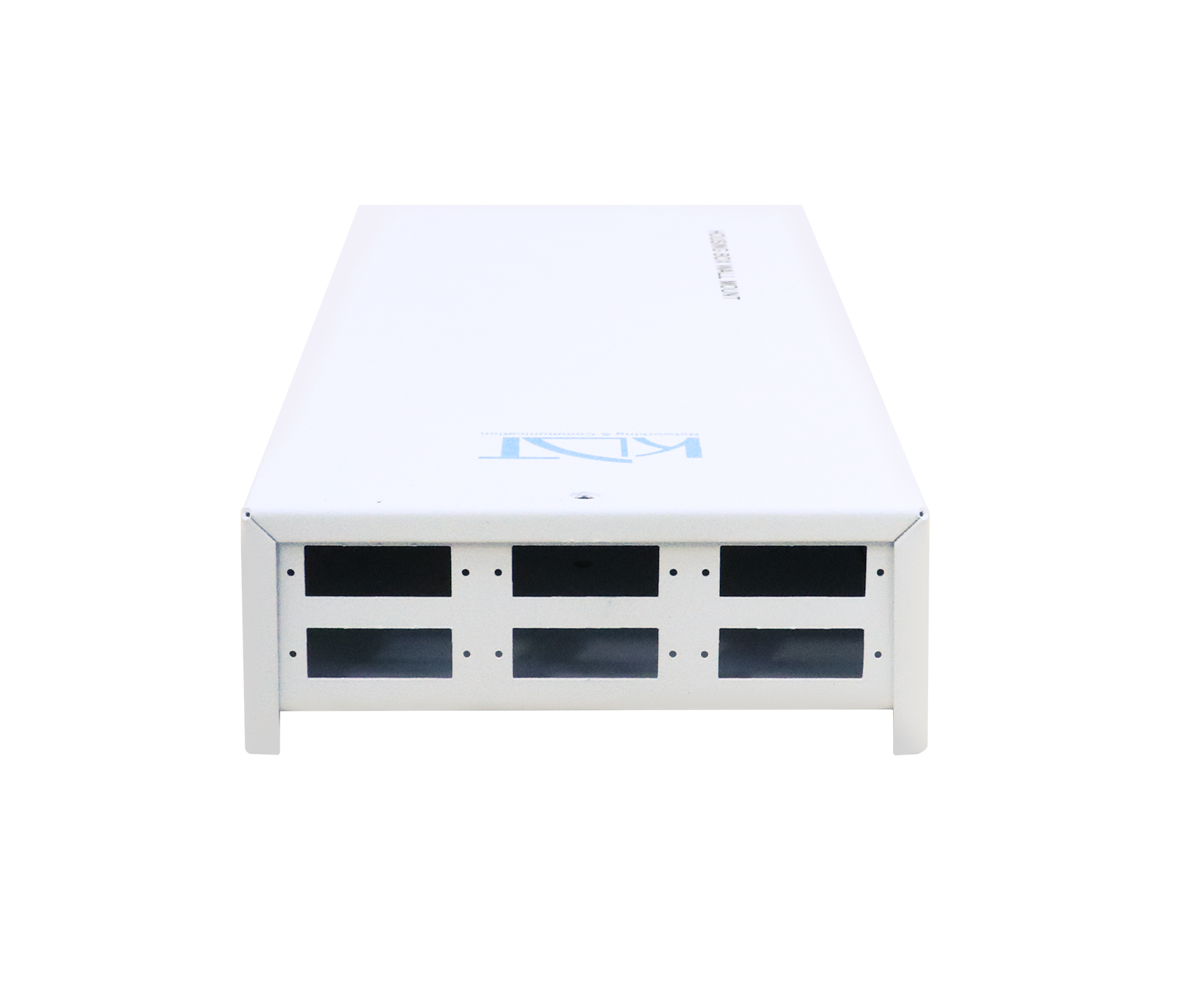 6-Port Wall Mount Fiber Optic Patch Panel BoxFP-06D1UW
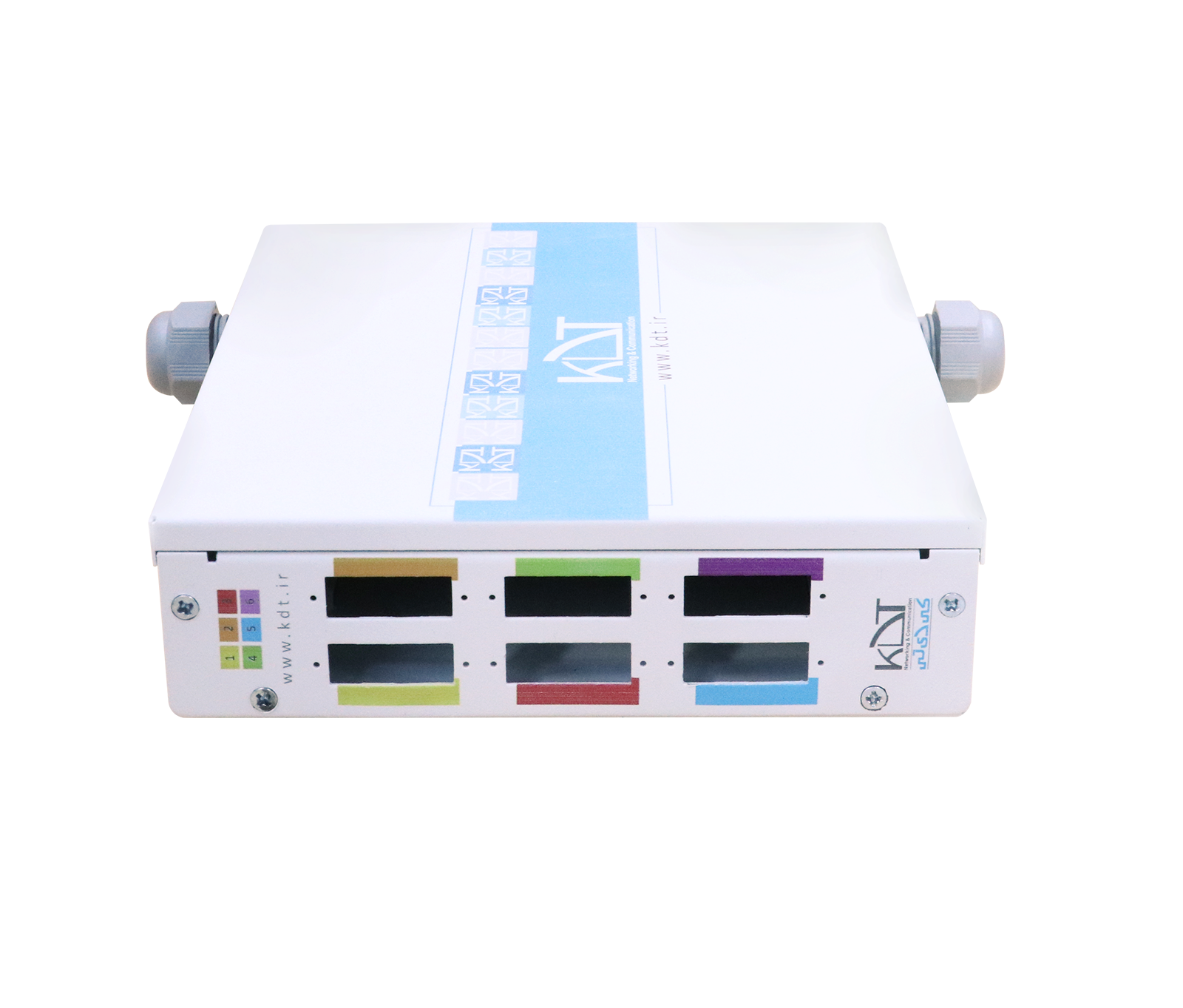 6-Port DIN-Rail Industrial Fiber Optic Patch Panel BoxFP-06D1UD
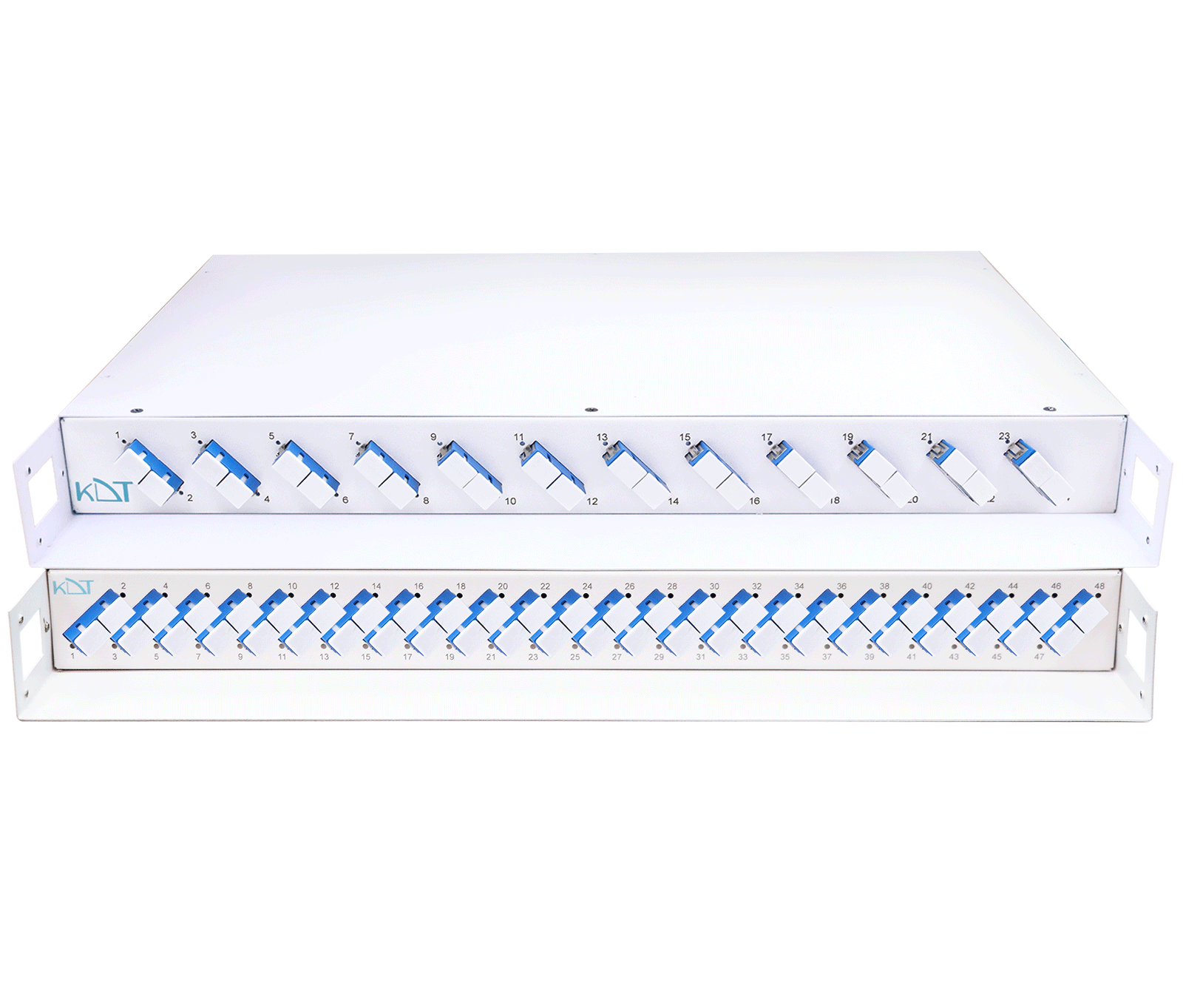 12-Port Full Rack Mount Fiber Optic Patch PanelFP-12D1UF FULL
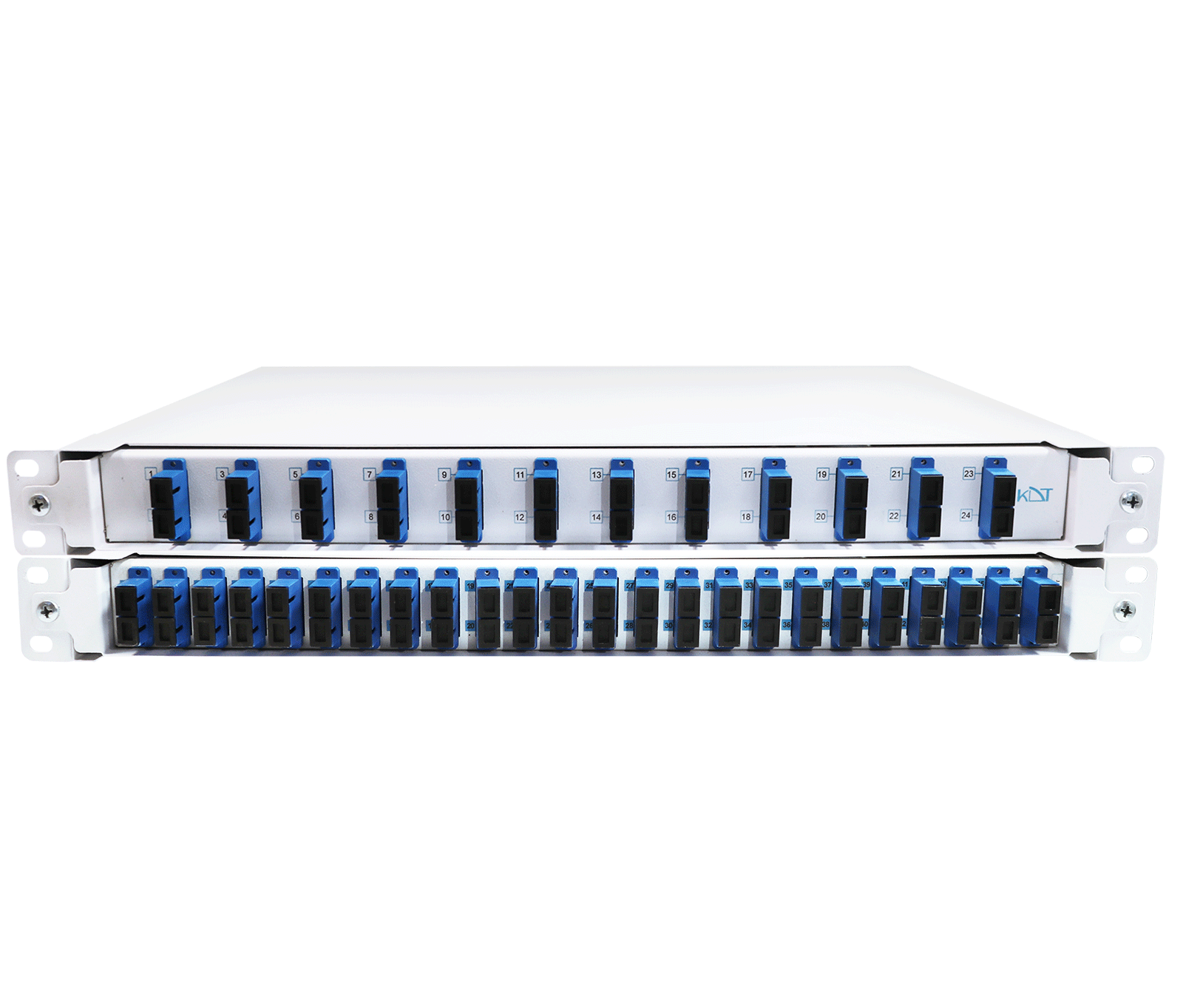 12-Port Full Rail Mount Fiber Optic Patch PanelFP-12D1UR FULL
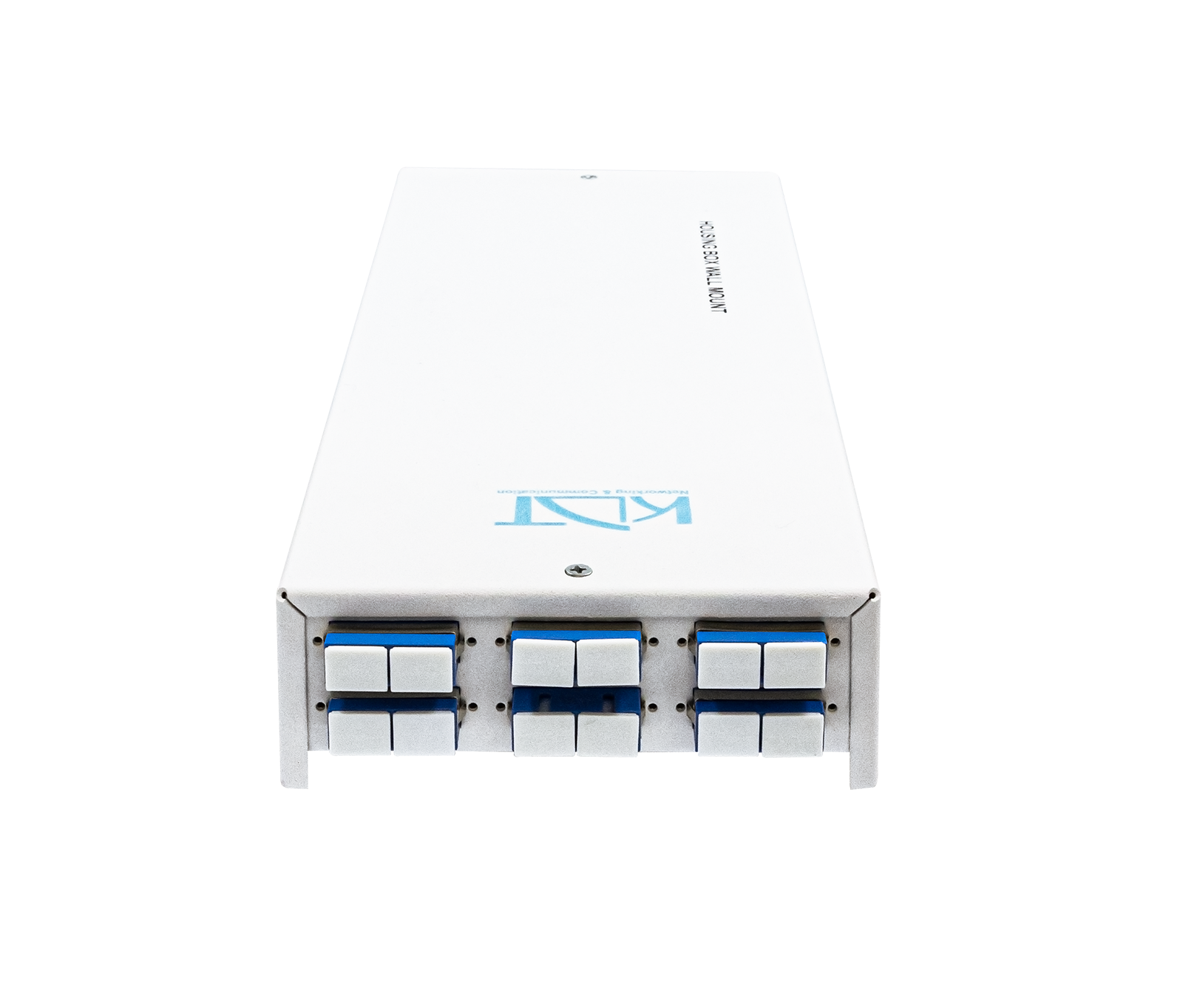 6-Port Wall-Mount Full Fiber Patch PanelFP-06D1UW FULL
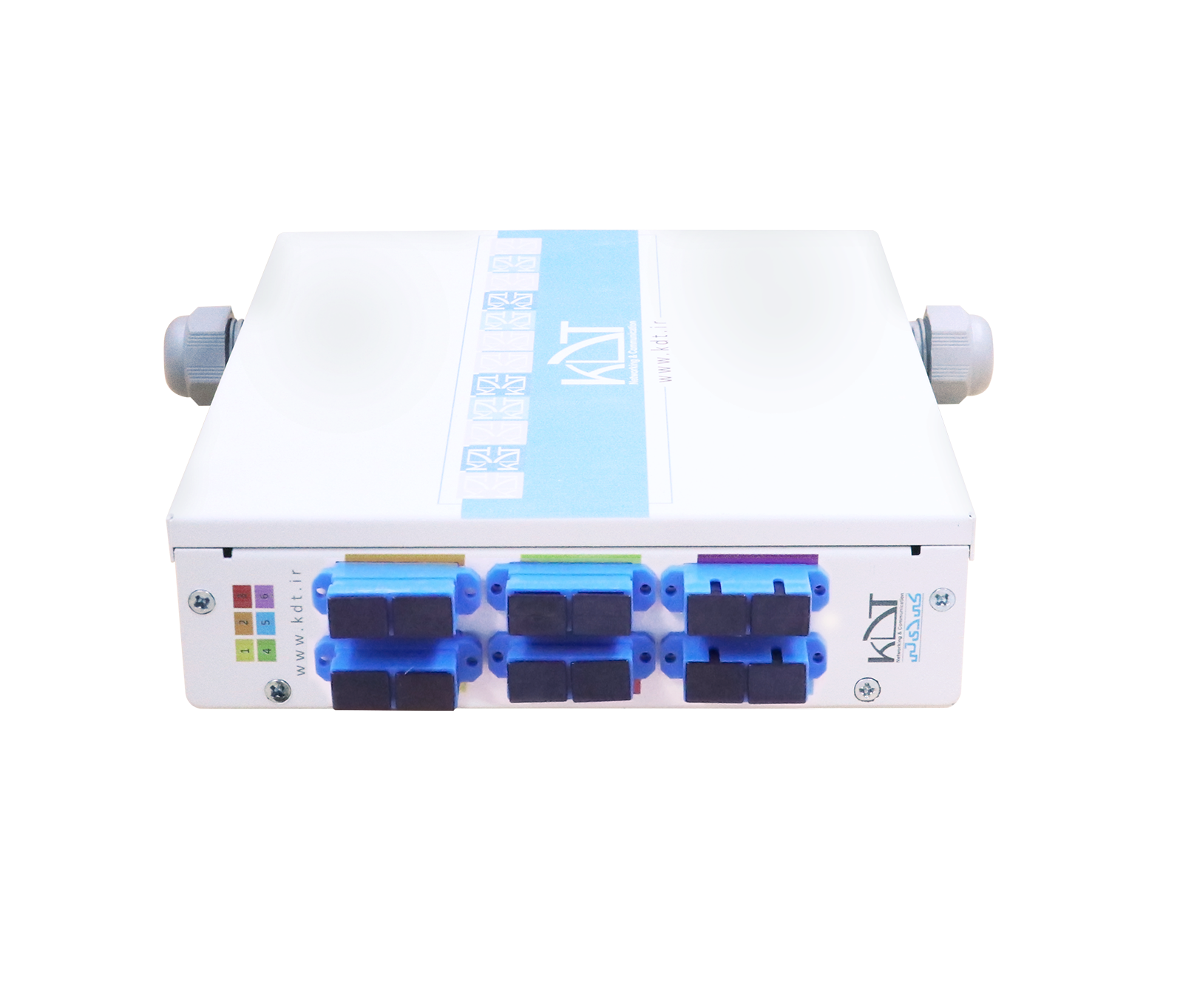 6-Port Full DIN-Rail Industrial Fiber Optic Patch Panel BoxFP-06D1UD FULL
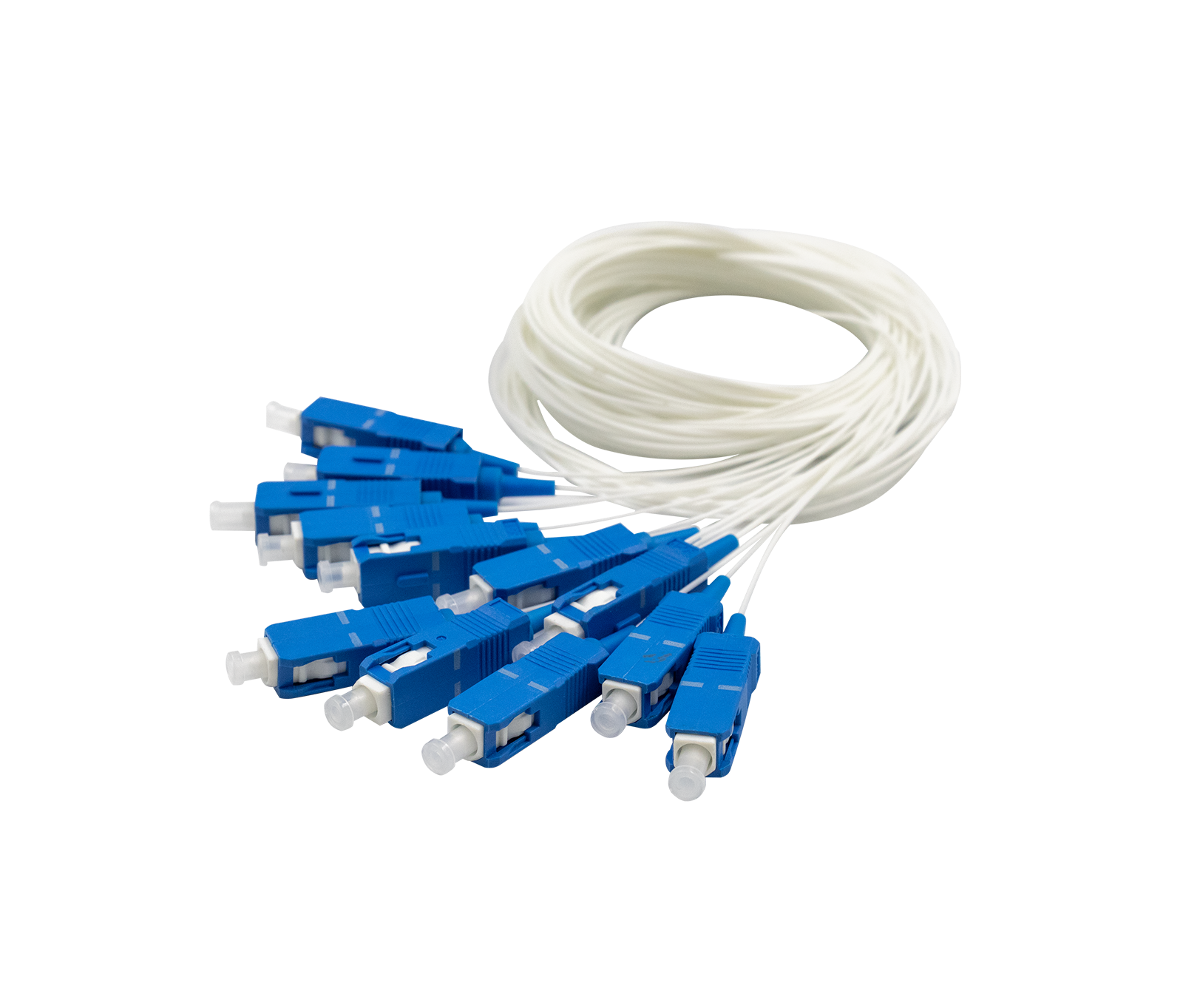 Single Mode SC/UPC Fiber Optic PigtailPG-150CMSC
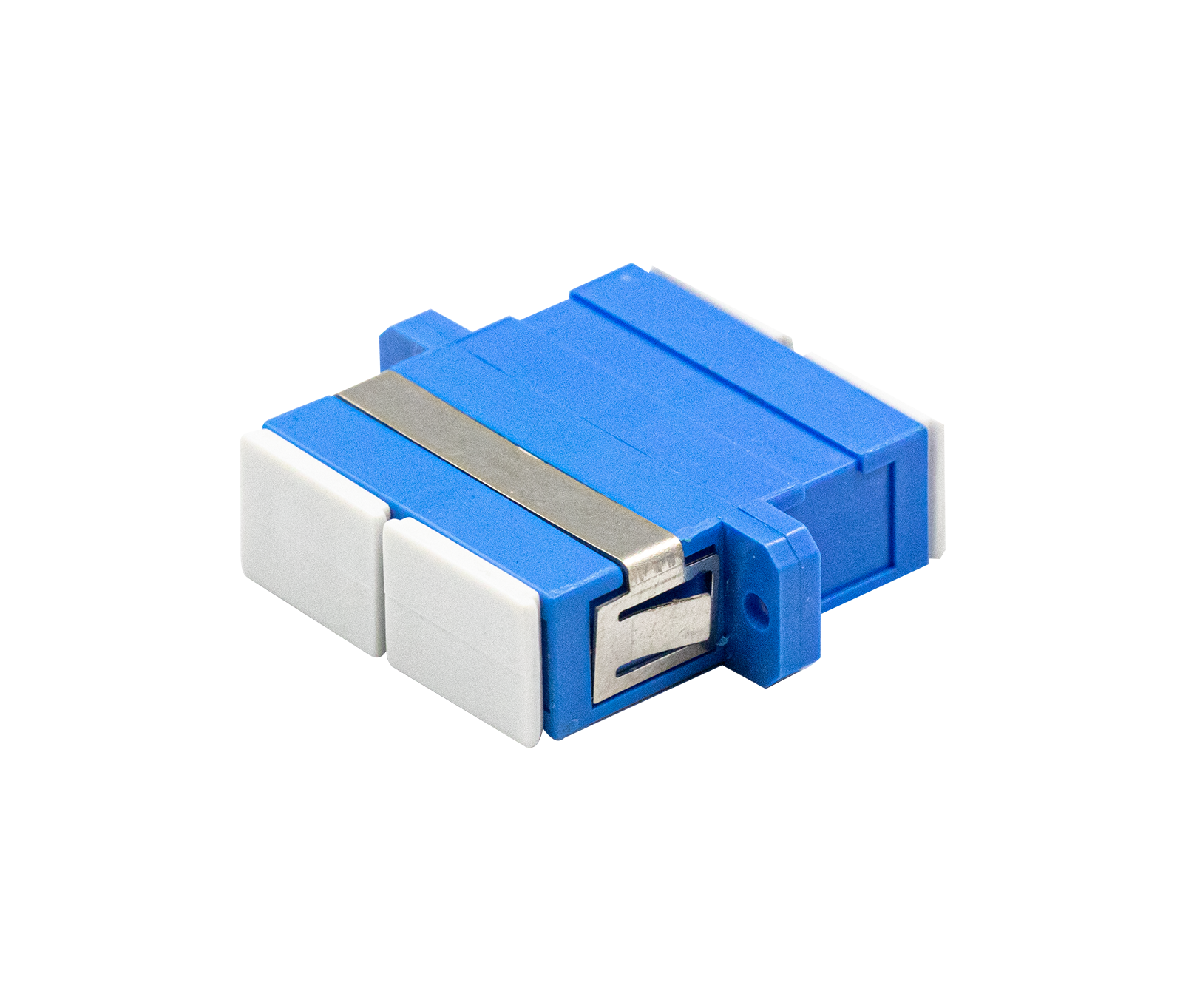 Single Mode SC to SC Duplex Fiber Optic AdapterFA-2SC-SC