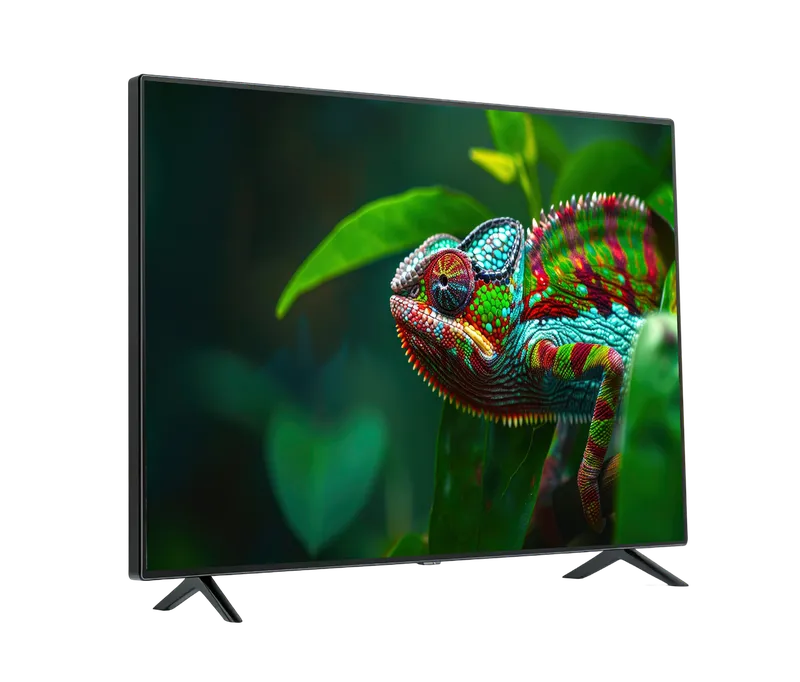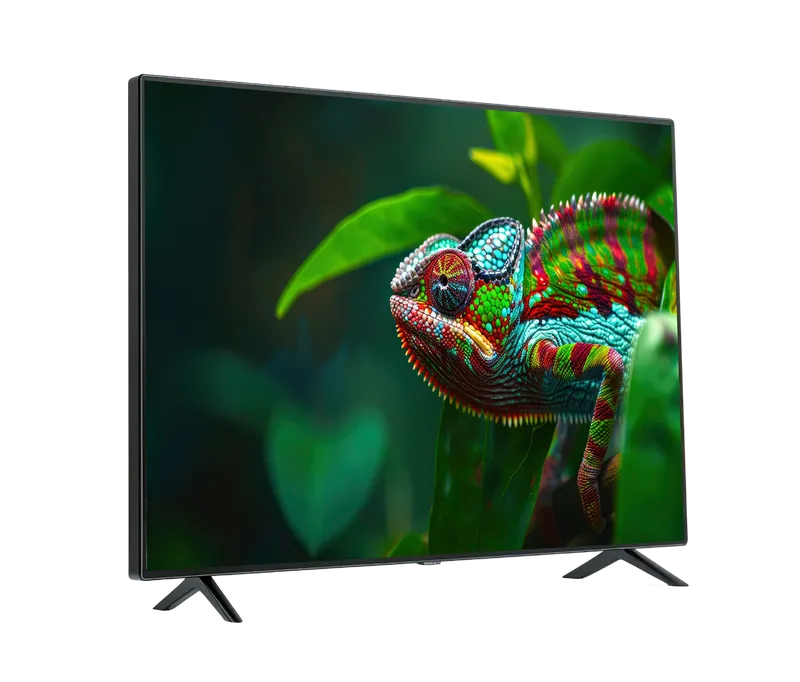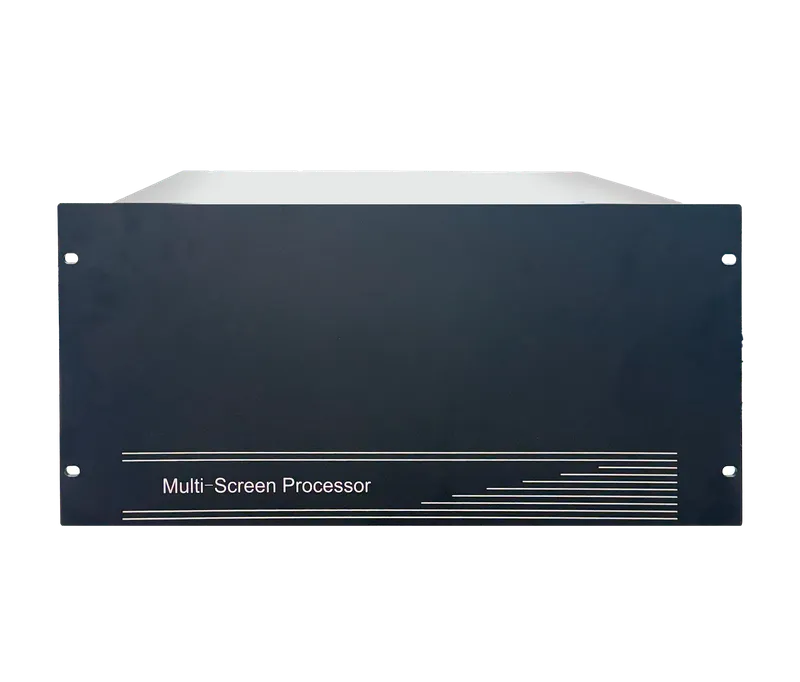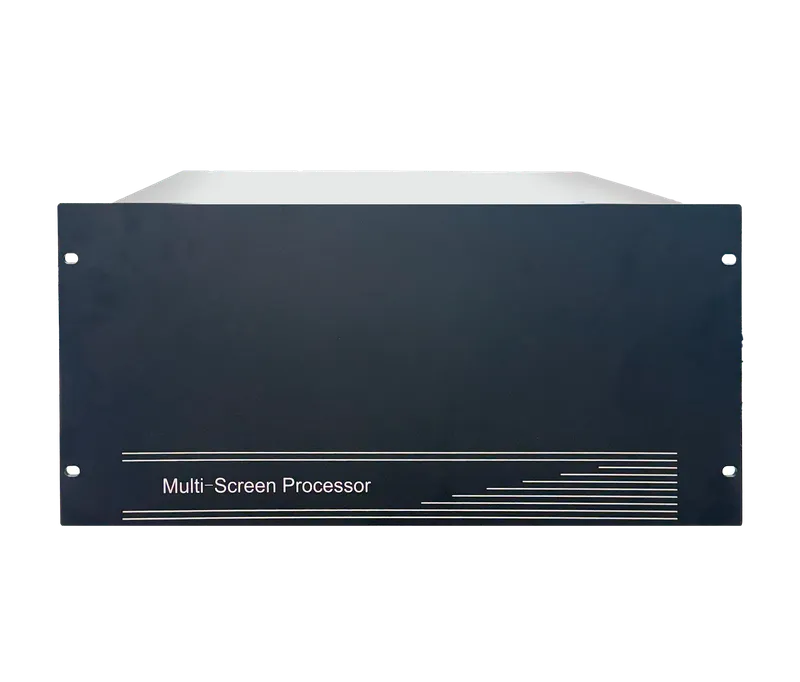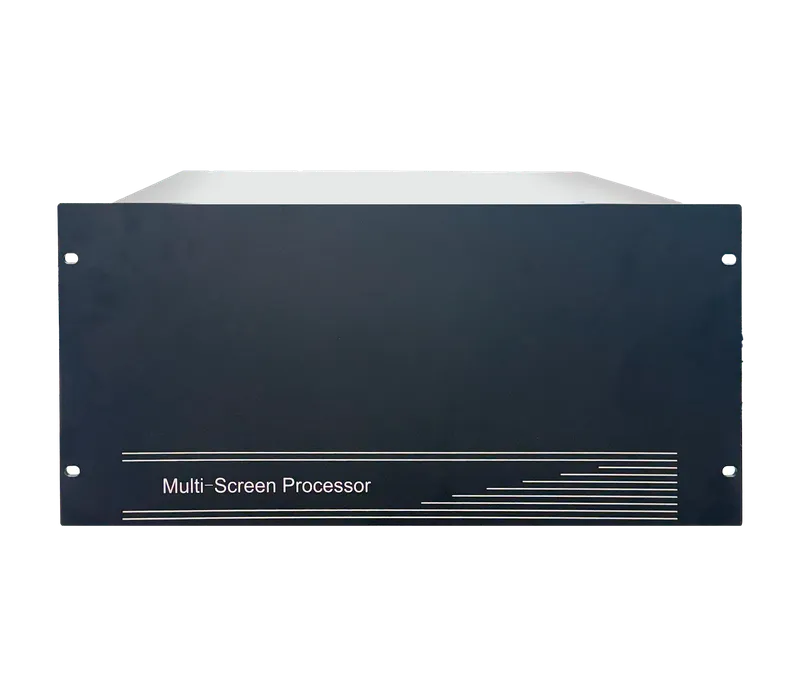
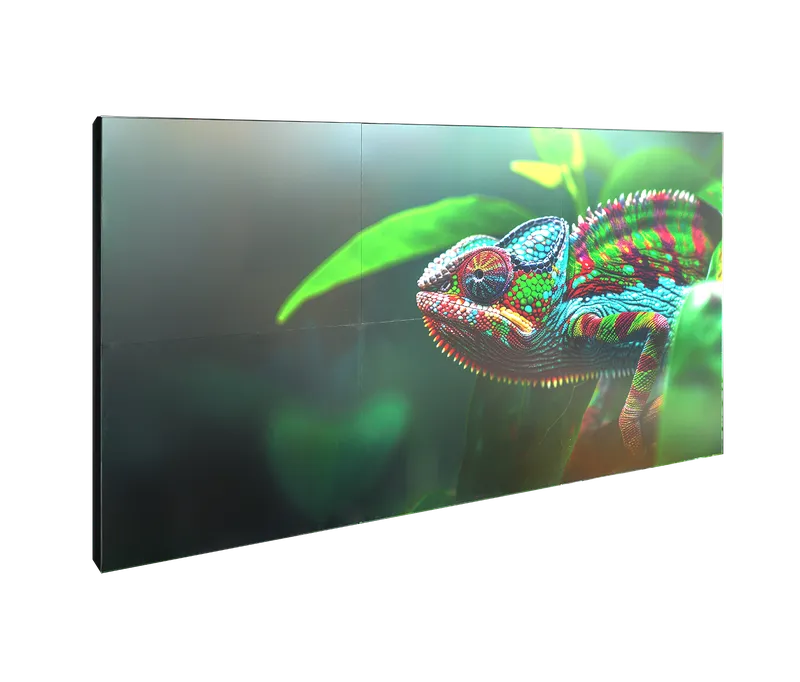
The KT-55iB09-FHD display from the Lithium series is the star performer of seamless video wall systems.
-
 Display
VGA
-
 Display
HDMI
-
 Display
DVI
Overview
Specification
- Size
- 55 Inch
- Backlight Type
- D-LED
- Technology Panel
- IPS
- Joint
- 0.88mm
- Resolution
- 1920×1080
- Pixel pitch
- 0.63 ×0.63 mm
- Brightness
-
500 cd/
m2 - Contrast Ratio
- 1200:1
- Response Time
- 8ms
- Color Depth
- 1.07 b (10 bit)
- View angle
- 179°(H), 179°(V)
- Screen Ratio
- 16:9
- Motion Compensation
- AUTO MOVE
- Filter
- 3D Comb Filtering, Digital Denoising
- Video Format
- NTSC, PAL
- Signal output
- DP-1ch, RS232*2ch
- Digital Signal Input
- HDMI×2Ch PC Audio x 1 RS232×1ch Support Upto (3840*2060)@ 60Hz Support Upto (3840*2060)@30Hz DP-1ch USB×1ch VGAx1
- Functions
- Picture in picture function Supports 1080P signal three line Support 2-Channel Signal Source Support 4-Channel Signal Source Drawing and Splicing Function
- Automatic Temp Control Sys
- Automatically control the operation of the fan improve the stability and reliability of the LCD splicing unit based on the set working temperature and actual machine temperature reduce noise save energy
- Image Signal Gain
- achieving true image restoration Improve system trustworthiness More stable and accurate image control
- Operating Mode
- Computer centralized control
- Bus Control
- IC
- MTBF
- 65000hr
- Wide Voltage Design
- 100-240V, 50~60 Hz
- Dimensions
- 1210.51*681.22*105.88 mm
- Display Size
- 1209.6mm×680.4mm
- Material
- All metal shell Anti magnetic field Anti strong electric field interference Anti-static
- Installation
- Standard and Customized Cabinet Wallmount
- Weight
-
22Kg (Without pakcage)
25Kg
(including pakcage) - Storage Temp
-
-25°C~+
65°C - Operating Temp
-
0°C~+
55°C - Environmental Standards
- All components and packaging materials comply with international environmental standards
General
- Power Consumption
- 250W
- Working Humidity
- 10%~90%
Downloads
Documentation
-
KT-55iB09-FHD
Compare products
Compare this product with similar products
Please wait
Frequently asked questions: CCTV Cameras
Answers to common questions about this product line, from the KDT Help Center.
Which resolution should I choose: 2 MP, 4 MP or 8 MP?
Choose by the pixel density you need on the target, not by the megapixel number alone. 2 MP is 1920×1080, 4 MP is usually 2560×1440 (some models use 2688×1520) and 8 MP is 3840×2160, and with the same lens the pixels per metre grow in proportion to the horizontal pixel count. With a 90° lens, for example, a face reaches the identification density of 250 px/m at about 3.8 m with 2 MP, 5.1 m with 4 MP and 7.7 m with 8 MP. As a starting point, 2 MP is enough for a single doorway or a small room, 4 MP suits most shops, offices and yards, and 8 MP pays off in wide open areas or when you want to zoom into recordings, at the cost of a higher bitrate and a little more noise at night.
Is an 8 MP camera four times sharper than a 2 MP camera?
Not exactly: 8 MP (3840×2160) has four times the pixels of 2 MP (1920×1080), but only twice as many across the width and twice as many in height, so at the same distance and field of view you get twice the pixels per metre, not four times. The extra pixels only help if the lens is sharp, the focus is correct, there is enough light and the bitrate is high enough to keep the detail. That is why 8 MP is worth choosing when you need the extra reach or the ability to crop into the picture, and not simply because the number is bigger.
Why can a higher-resolution camera look noisier at night, and do sensor size and F-number matter?
On the same sensor, more pixels means smaller pixels: an 8 MP pixel has only a quarter of the area of a 2 MP pixel, so it collects less light and shows more noise in the dark. A larger sensor helps: a 1/1.8 inch sensor has about 1.9 times the area of a 1/2.8 inch one (the fraction is a legacy naming convention, not the real size). The lens aperture matters just as much, because the light reaching the sensor is inversely proportional to the square of the F-number: an F1.0 lens admits about 2.6 times more light than F1.6 and 4 times more than F2.0. For dark scenes, compare resolution, sensor size and F-number together instead of looking only at the megapixel count.
What is a starlight camera, and what does a figure like 0.005 lux mean?
“Starlight” has no formal standard: manufacturers use it for cameras with a fast lens (often F1.6 or faster) and a low-noise sensor that still give a usable colour picture in very little light, usually 0.01 lux or less on the datasheet. The lux figure is measured under favourable conditions (widest aperture, maximum gain, slow shutter), so a picture at that light level is dark and noisy and moving objects blur. For comparison, a full moon gives about 0.05 to 0.3 lux and a moonless clear night about 0.002 lux. Compare datasheet values only when the test conditions are the same, and judge a camera on a live picture of your own scene.
What is a full-colour night camera, and how is it different from infrared (IR) night vision?
An infrared (IR) camera switches to black-and-white at night and lights the scene with invisible IR LEDs, while a full-colour camera keeps a colour picture at night by combining a very sensitive sensor and a fast lens with a visible warm or white light. Colour helps you describe clothing and vehicles, and a visible light can also deter intruders, but it is not covert and it lights up the area. Dual-light models combine both and switch between IR and warm light automatically or by schedule. Depending on the model, KDT datasheets list a warm-light range of about 20 to 90 m and, on dual-light models, an IR range of about 40 to 80 m.
Didn’t find your answer?