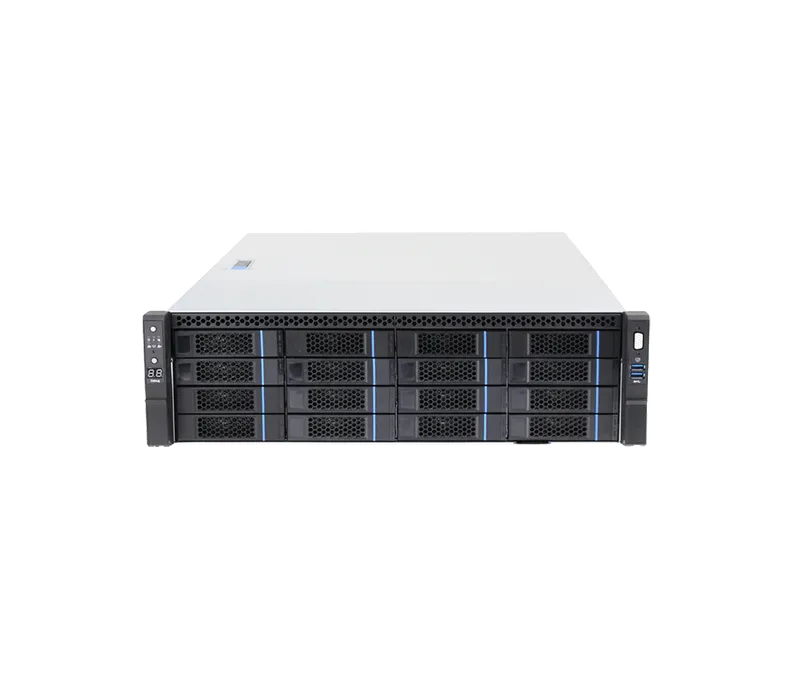

System Specification
- Main Processor
- Intel Core i7 High-performance Multi-core Processor
- Operating System
- Windows Server Environment
- Memory
- 32 GB
- OS Storage
- High-Speed M.2 NVMe SSD (Dedicated for OS and VMS Database)
- Operating Software
- KDT VMS Plus
AI Applications
- AI by Camera
- Face detection, Face Recognition, IVS, LPR, People Counting, Video Metadata
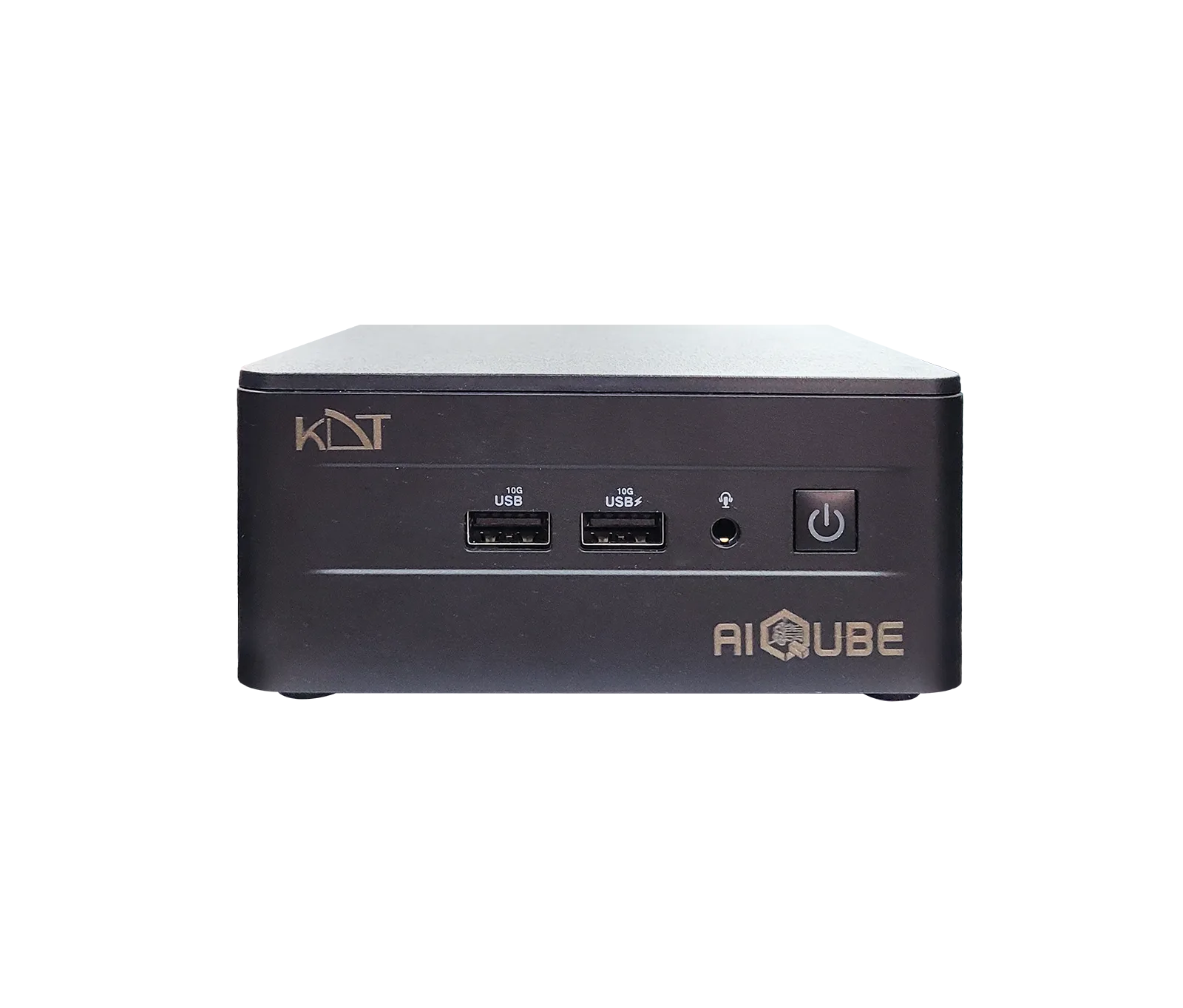
- AI by KDT AI Cube
- All Smart Function
- Forensic Search
- Smart Search by Attributes (Gender, Color, Age, Plate) via KDT VMS Plus
- Event Linkage
- Alarm output, PTZ activation, Recording, Snapshot, VMS Pop-up
High Availability
- Cluster Mode
-
N+
M Hot Standby (Automatic Failover and Backup) - Network Resilience
- ANR (Automatic Network Replenishment) supported
- Power Redundancy
- Yes
Interfaces
- Network Interface
- 1 × 10-GbE optical fiber ports (SFP+) 2 × 1-GbE RJ45 LAN ports
- Management Port
-
1 × 1-GbE dedicated IPMI/
BMC port (for remote debug and control) - USB
- Front: 2 × USB 3.0 / Rear: 2 × USB 2.0
- Display
- 1 × VGA
General
- Power Supply
-
100-240 VAC
50-60 Hz
800W 1+
1 CRPS Redundant Power Supply - Form Factor
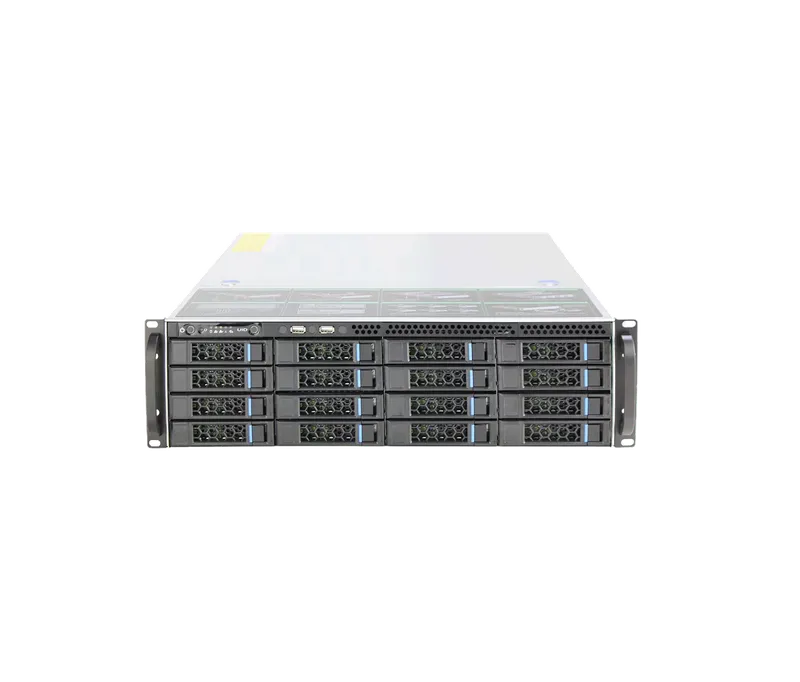
- 3U Standard 19-inch Rackmount (Anti-EMI Steel Chassis)
- Fan
- Heavy-duty intelligent speed regulation fan (Hot-swappable)
- Operating Temp
- 5~45°C
- Operating Humidity
- 10%–90% (RH), non-condensing
- Dimensions
- 132*437*650 mm
Performance
- No. of Recording Channels
- Up to 400 Channels
- Record Mode
- Auto, Manual, Motion Detection, Schedule
Storage Subsystem
- Disk Bays
-
16 Front Slots
Hot-swappable Anti-EMI Drive Trays (12Gb/
s Expansion Backplane with SGPIO) SATA/SAS - Max Capacity
-
Up to 256TB Raw (Supports Enterprise-grade 16TB/
20TB HDDs) - RAID
- RAID 0, 1, 10, 1E; JBOD (Hardware-based RAID Controller) RAID 5, 6 (Software-based RAID Controller)
- Storage Protocol
-
IPSAN (iSCSI)
Video/
Picture Direct Storage - Disk Group & Storage Pool
- Yes
Network & Interoperability
- Ecosystem Compatibility
- Native integration with KDT AI Cube & Enterprise Workstations
- Third
- ONVIF, RTSP, SDK
- Network Protocol
-
DHCP, FTP, HTTP, HTTPS, IPv4, ISCSI, NTP, RTSP, TCP/
IP, UDP - Network Mode
- Fault-tolerance, Link aggregation, Load balance
Warranty and Support
- Hardware Warranty
- 5-year warranty with next business day on-site service
下载
文档
-
KH-VSS712-32-400
产品对比
将本产品与同类产品进行对比
请稍候
常见问题:软件
来自KDT帮助中心的该类产品常见问题解答。
如何安全地远程访问摄像机和NVR?
从外部访问设备有三种方式,主要区别在于安全性。通过VPN接入自己的网络最为安全,对VMS、网页和手机应用都适用;P2P(云服务)对手机最简单,因为设备主动连接云服务,通常既不需要公网IP,也不需要配置路由器;端口映射加DDNS则最脆弱,并且会敞开最大的攻击面。管理员和VMS客户端应使用VPN,偶尔用手机查看时可使用P2P(前提是信任厂商的云服务),端口映射只作为最后手段。KDT的NVR和摄像机规格表在支持的协议中列出了P2P和DDNS。
KDT提供哪些软件,各自的用途是什么?
在视频管理方面,KL-VMS+(VMS Plus)是KDT面向多服务器大型项目的授权版VMS;在智能分析方面,KL-PRS负责识别车牌,KL-FRS负责识别人脸。日常使用KDT NVR和摄像机时,产品规格表列出了Windows版KDT CMS/VMS软件以及Android和iOS应用。本网站的下载中心还提供设备搜索工具、KDT Player和远程支持程序KDT Desk。
什么是VMS?它与NVR网页和手机应用有什么区别?
VMS(视频管理软件)安装在电脑或服务器上,可在一处统一管理多台摄像机和NVR,并提供独立的用户与权限、报警规则、地图、多显示器和分析功能。NVR自带的网页用于配置和查看这一台设备,手机应用则用于快速查看实时和回放画面。支持的浏览器因型号而异:规格表中大多数型号列出Chrome、Edge、Firefox和IE,个别型号仅支持IE。
CMS和VMS有什么区别?
CMS(中心管理软件)通常是随录像机提供的客户端程序,可连接多台设备并提供实时预览、回放和导出。VMS则是功能更全面的平台,另外包含录像服务器、多服务器多站点运行、用户角色、报警规则和智能分析。各厂商对这两个名称的区分并不严格,所以KDT NVR的规格表统一写作“KDT CMS/VMS”;如需功能更全面的平台,请查看KL-VMS+数据手册。
我的项目该选哪种软件:网页、KDT VMS还是KL-VMS+?
只有一个站点、一台NVR和少量查看者时,用网页和手机应用就够了,无需安装任何软件。有多台录像机或带多个显示器的控制室时,适合使用Windows版KDT VMS,其手册标明可在多个显示器上显示128路摄像机。多站点、需要用户角色、地图、报警规则或集成车牌与人脸识别的项目,应选择KL-VMS+,其数据手册标明对服务器和用户数量没有限制。