

Interfaces
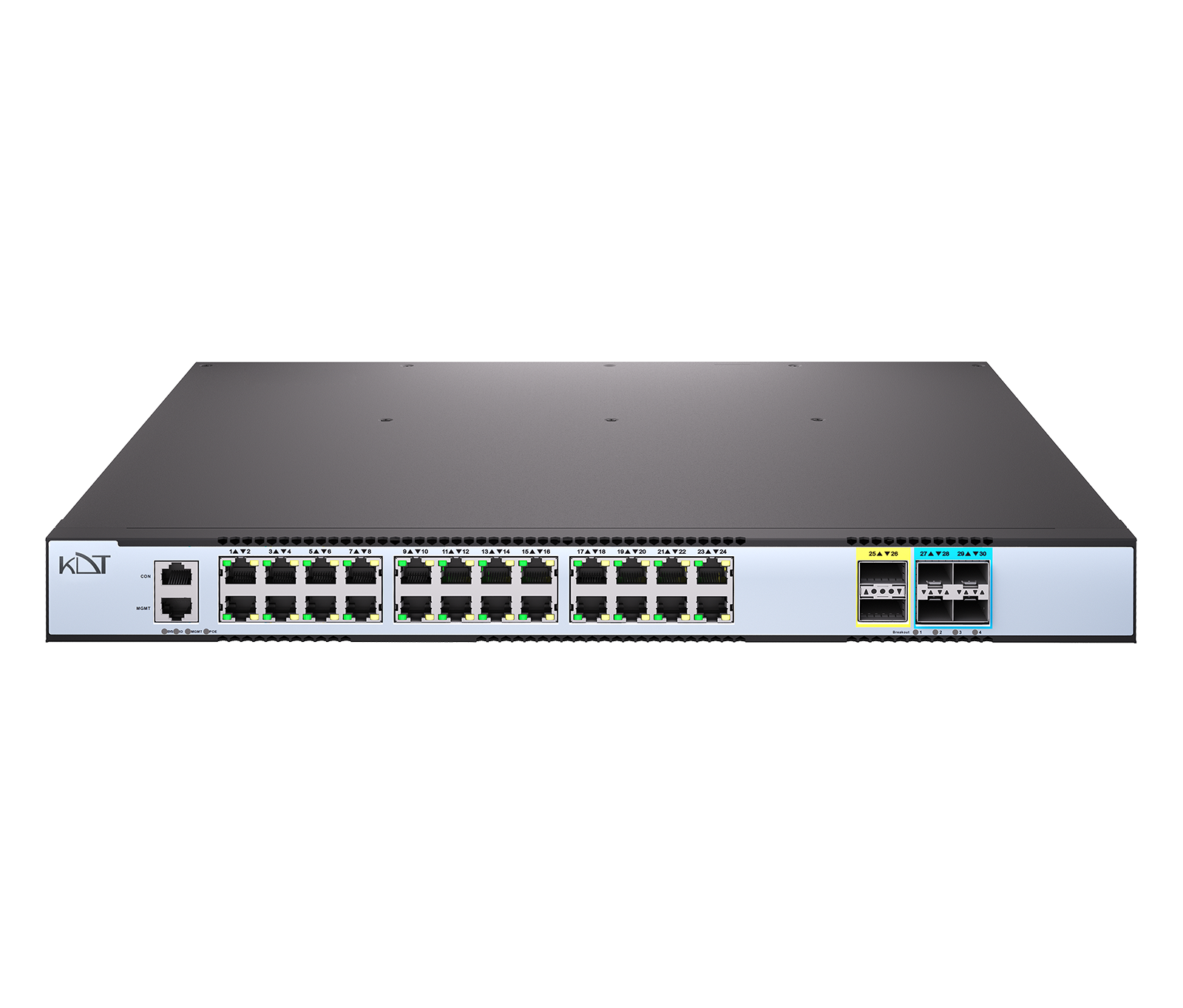
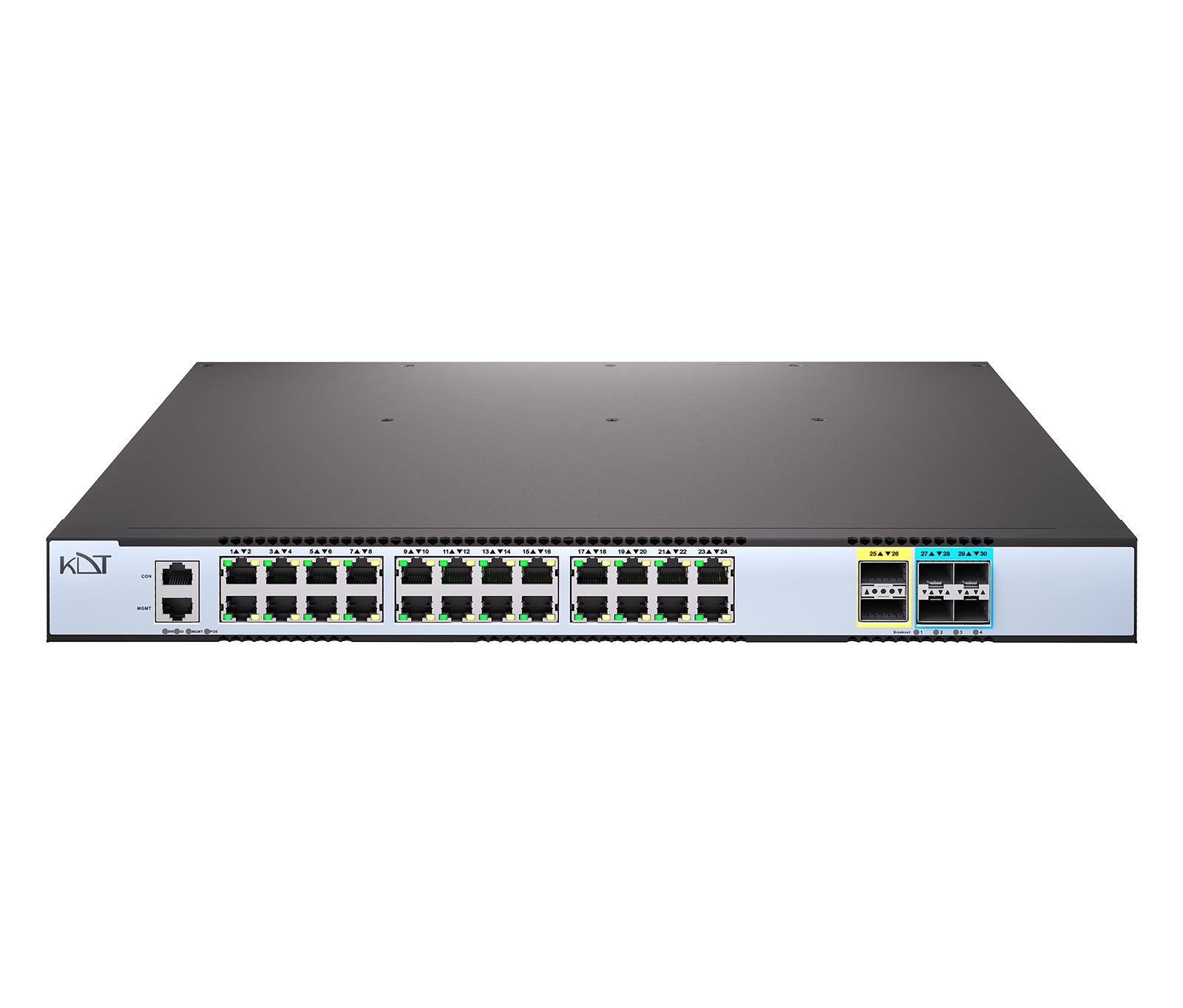
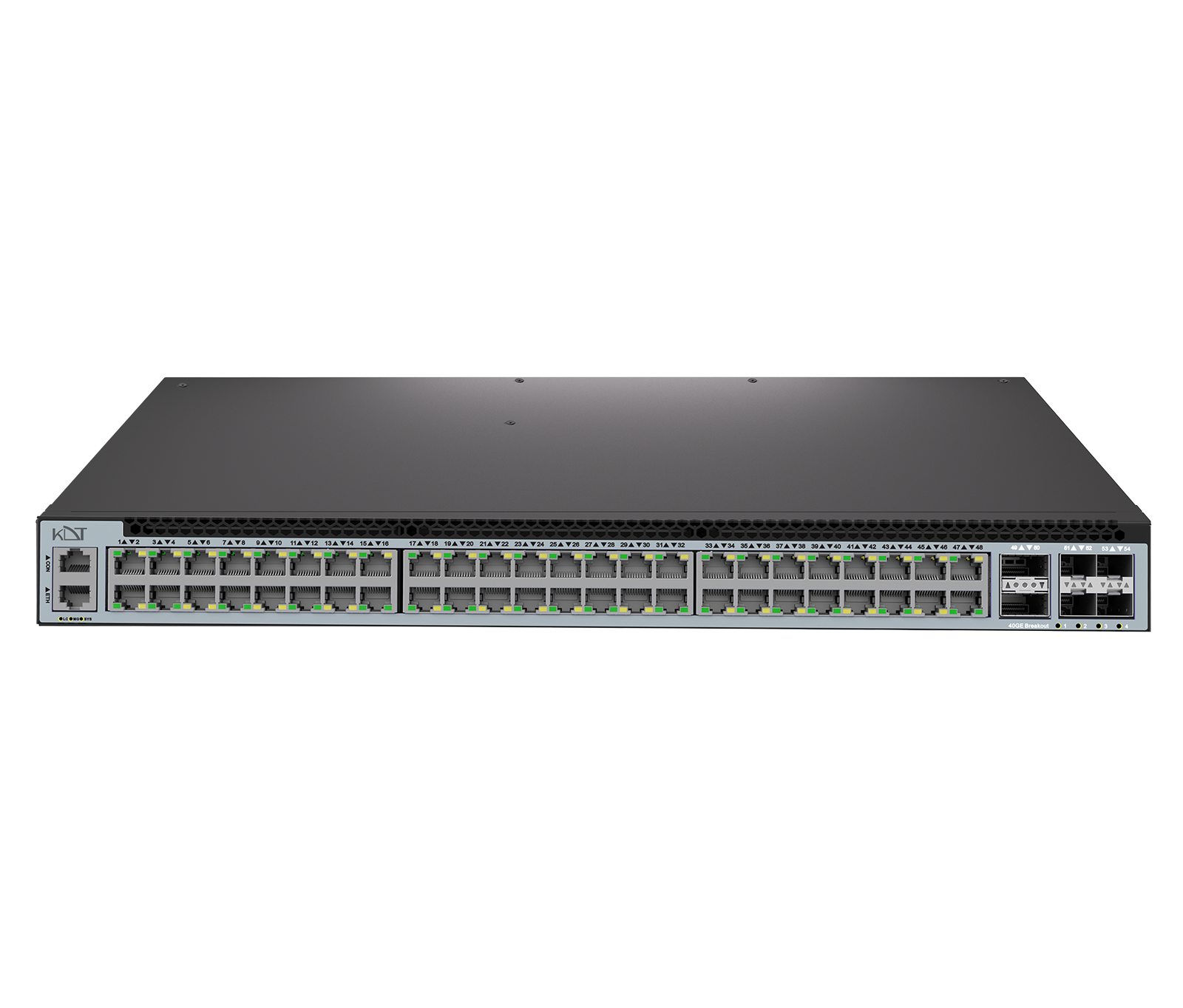
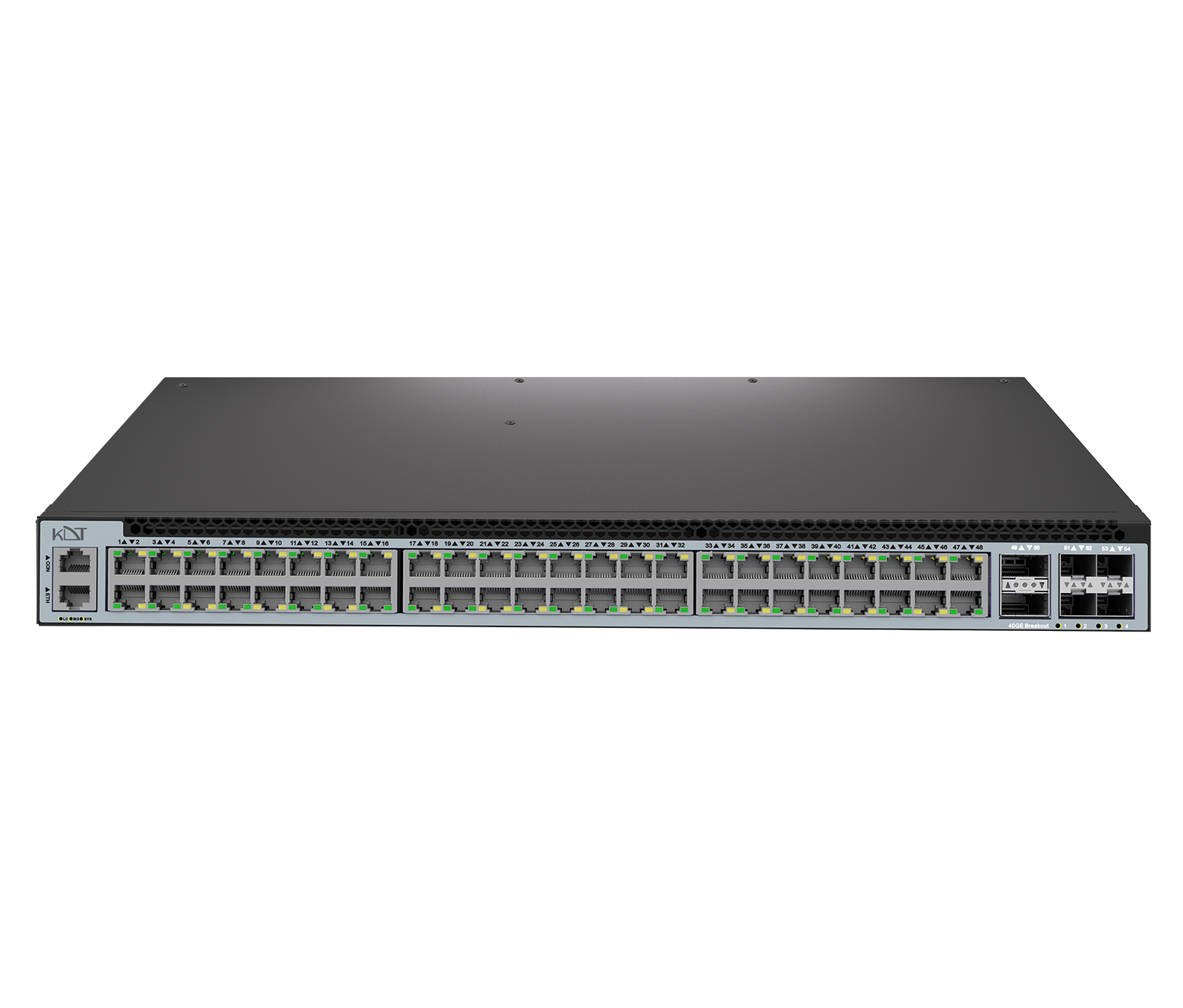
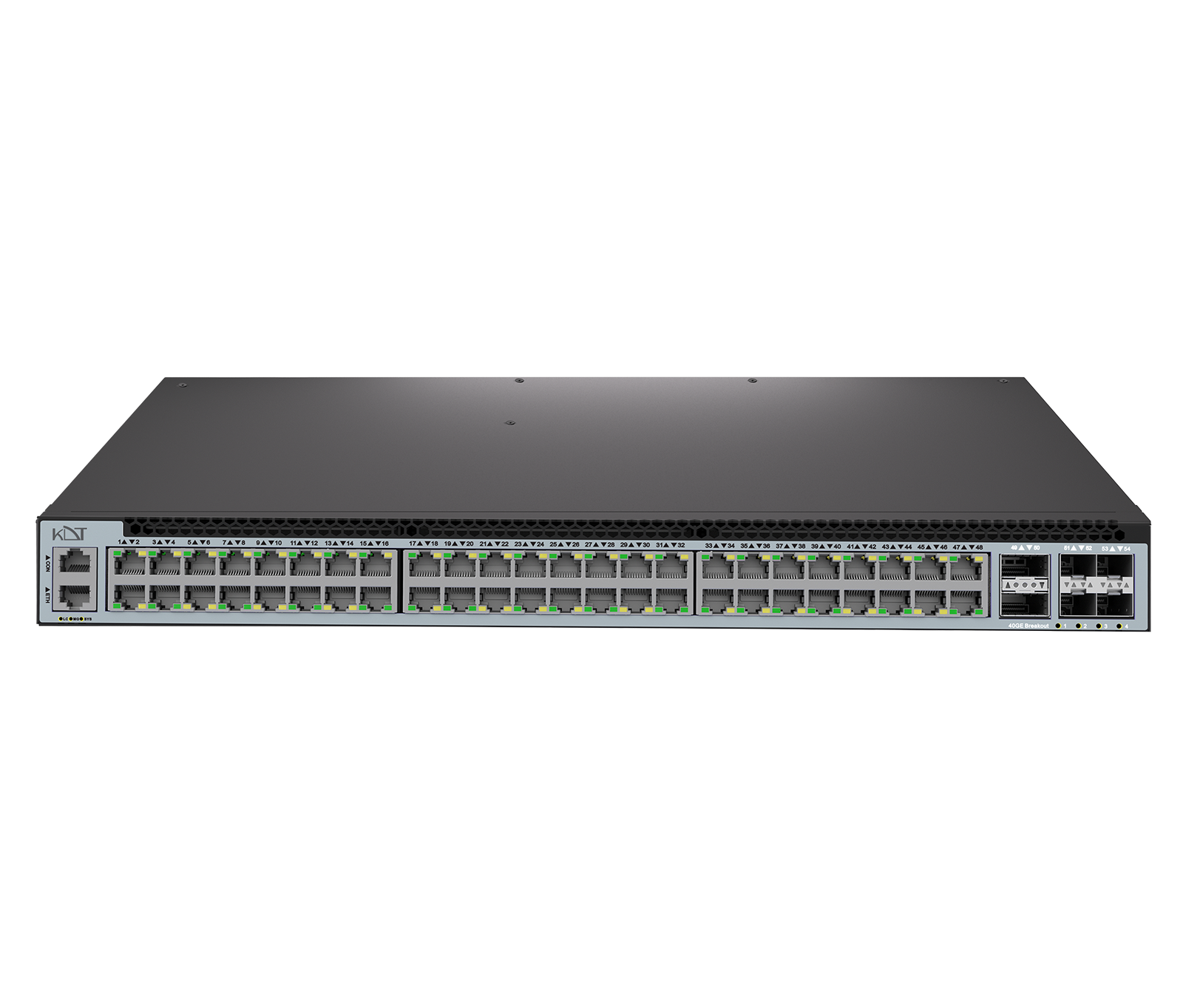
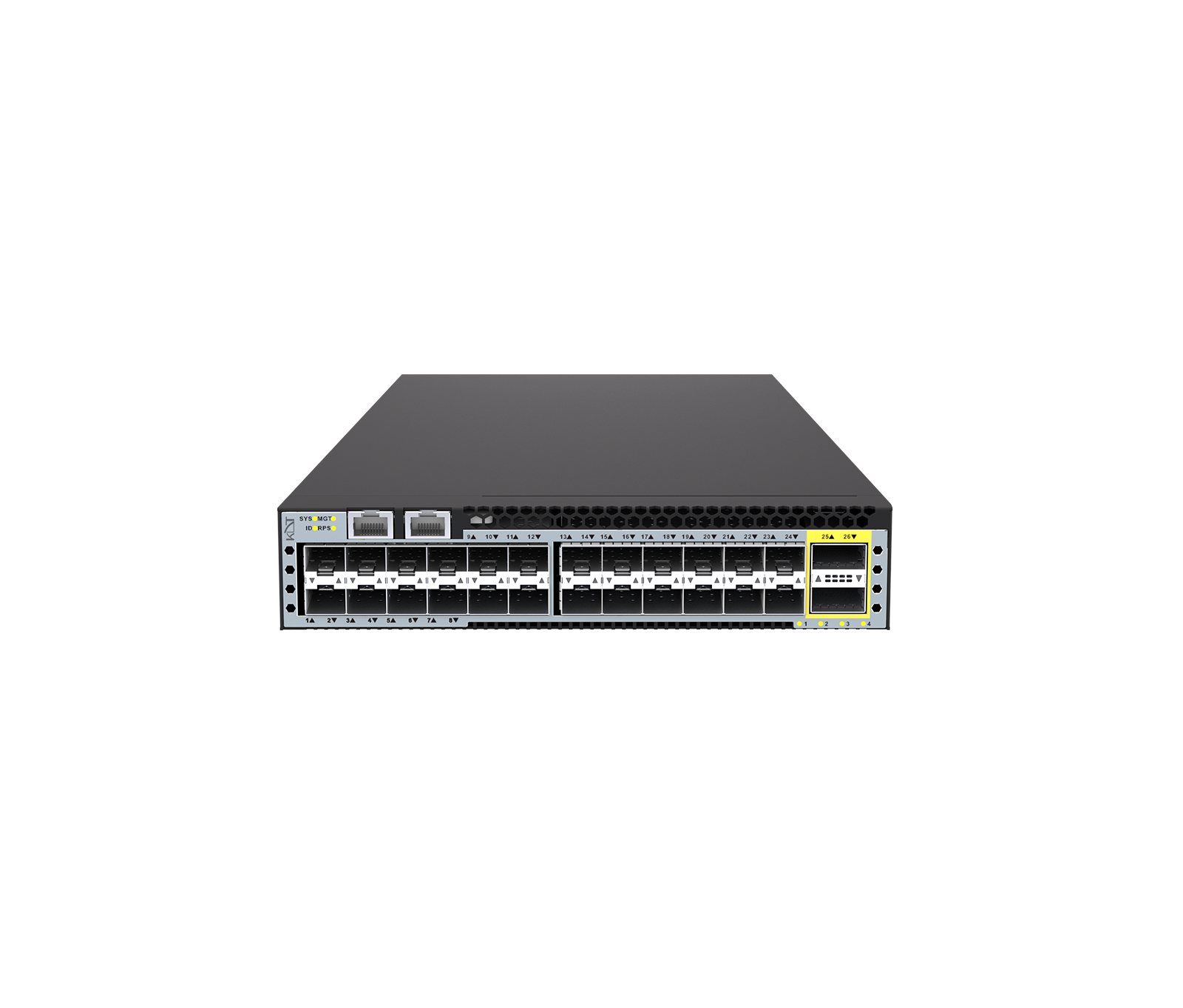
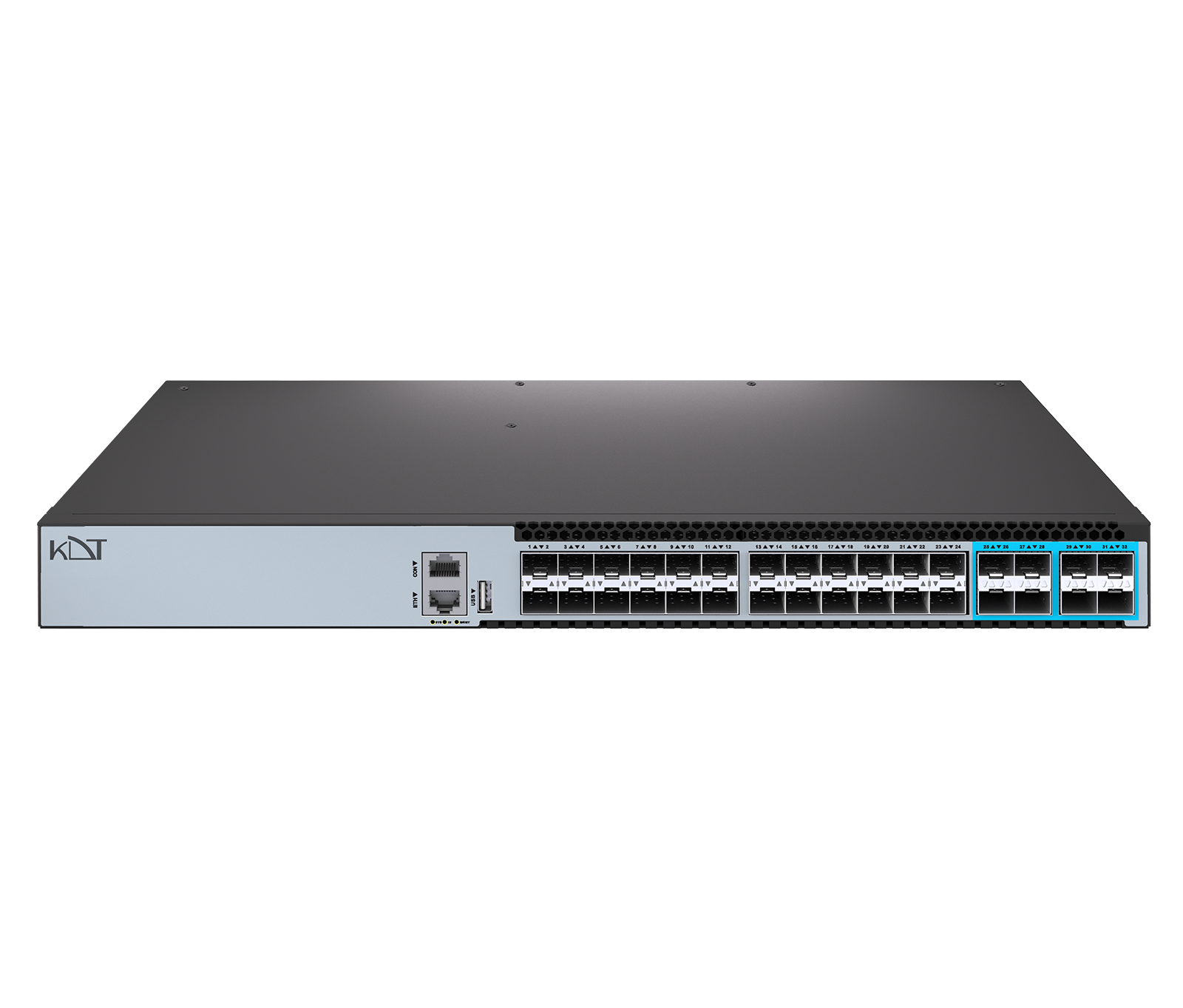
- Total Port
- 35 Ports
- SFP+ Port
- 24
- SFP28 Uplink port
- 8
- QSFP Uplink Port
-
N/
A - QSFP28 Uplink Port
-
N/
A - Management Ports
- 1* Ethernet Management Port (RJ45) 1* USB Port 1*Console Port (RJ45)
Switching Hardware Platform
- Jumbo Frame
- 9600
- MAC scale
- 2,048 Multicast, 98,304 Unicast
- VLANs
- 4,094 IDs, 4,094 instances
- Link Aggregation
- 64 groups, convergence <50 ms
- Protection
-
ERPS (<50 ms), RSTP/
MSTP (<1s), STP (<30s) - OAM
- 1,024 Sessions CCM intervals down to 3.3 ms IEEE 802.1ag CFM
- Routing Scale
- IPv4 FIB up to 57,344 IPv6 FIB up to 6,144
- QoS
-
Granular Policing/
Shaping IPFIX Visibility Per‑port queues - Security
- ACLs, DHCP Snooping, IP Source Guard, MACsec
General
- Protection Rating
- IP51
- Web Language
- English
- Dimension (W*H*D)
- 442*44*357mm
- Weight
- 5kg
- Storage Temperature
- -40°C to 70°C
- Operating Temperature
- 0°C to 45°C
- Storage Humidity
- 0 to 95% (Non-condensing)
- Operating Humidity
- 10% to 90% (Non-condensing)
- Temperature Alarm
- 50°C
- Altitude
- 5000m
Guarantee
- Product Guarantee
- 3 Years Platinum Guarantee
- MTBF
- ≥90000h (~10.3 Years)
Hardware
- CPU
- Dual-core processor
- Flash Memory
- 8GB EMMC (OS) 4MB SPI Flash (Boot)
- DRAM
- 4GB
- Fans
- 2*Hot-swappable Fan
- Airflow
- Front-to-Rear
- Switching Capacity
- 880Gbps (bidirectional)
- Forwarding Rate
- 1309.44Mpps
- MAC Address
- 98304
Software Highlights
- Software License
- Basic L3 Software Features EB L3 Enhance Features Software License Key MS Preinstalled
- Basic License (Pre‑installed)
-
ACLs, DHCP Snooping, IGMP Snooping, QinQ, QoS policing/
shaping, SNMP/ Web/ CLI, Static IPv4 Routes, STP/ RSTP/ MSTP, VLANs, VRRP - Advanced License (Optional)
-
Advanced OAM (802.1ag, Y.1731)
BGP
ERPS Multi‑Ring
IPv6 Routing
IS‑IS
MACsec
MPLS/
VPLS OSPFv2/v3 PIM‑SM/DM RPC‑API sFlow/IPFIX Smart Config VXLAN with BGP EVPN
Power Supply
- Power Supply
- 2*350 W hot‑swappable PSU
- Redundant
- Yes
- LED Power
- Yes
- Power consumption
- 74W
下载
文档
-
KS-C24H-X-8Y
产品对比
将本产品与同类产品进行对比
请稍候
常见问题
与本产品相关的问题
网络交换机需要预留容量吗?
对于企业级项目,通常建议预留一部分端口、处理能力、存储空间或带宽,以满足未来的增长需要。
不同型号的网络交换机有什么区别?
区别通常体现在容量、速度、功能、端口或通道数量、处理器类型、环境适应性和管理功能等方面。比较时应以项目需求为依据。
网络交换机的规格越高,性能就一定越好吗?
不一定。如果项目中的其他环节存在瓶颈,单独提升某一项规格也达不到预期效果。整个系统的各个环节都应统筹设计、相互匹配。
网络交换机适用于工业环境吗?
用于工业环境时,需要评估温度、粉尘、振动、电磁干扰、供电和安装条件,必要时应选用工业级型号或采取相应的防护措施。
在室外部署网络交换机,需要注意哪些问题?
设备的环境耐受能力(耐温、耐湿、防水、防尘)、机械防护以及布线方式,都必须与现场的实际条件相匹配。
常见问题:网络交换机
来自KDT帮助中心的该类产品常见问题解答。
要选对网络交换机,应该从哪里入手?
首先明确应用场景、设备数量、安装环境、所需容量和未来的扩展需求,然后再根据项目的实际需要确定型号和技术规格。
选择网络交换机时,最需要关注哪些技术规格?
视项目而定,最重要的规格包括容量、速度、兼容性、环境适应性、管理功能和可扩展性。仅凭某一项参数来选型,通常是不够的。
选购网络交换机时,价格更低的型号就一定合适吗?
不一定。采购价格只是其中一个因素,还应综合考虑运行稳定性、功能、使用寿命、售后服务和维护成本。
如何确定网络交换机所需的容量?
容量应根据设备数量、实际用量、使用时长和项目未来可能的增长来计算,最好再预留一定的余量。
网络交换机以后还能升级吗?
在很多情况下,部分容量或设备是可以升级的,但具体取决于产品架构及其硬件限制,应在采购前确认清楚。